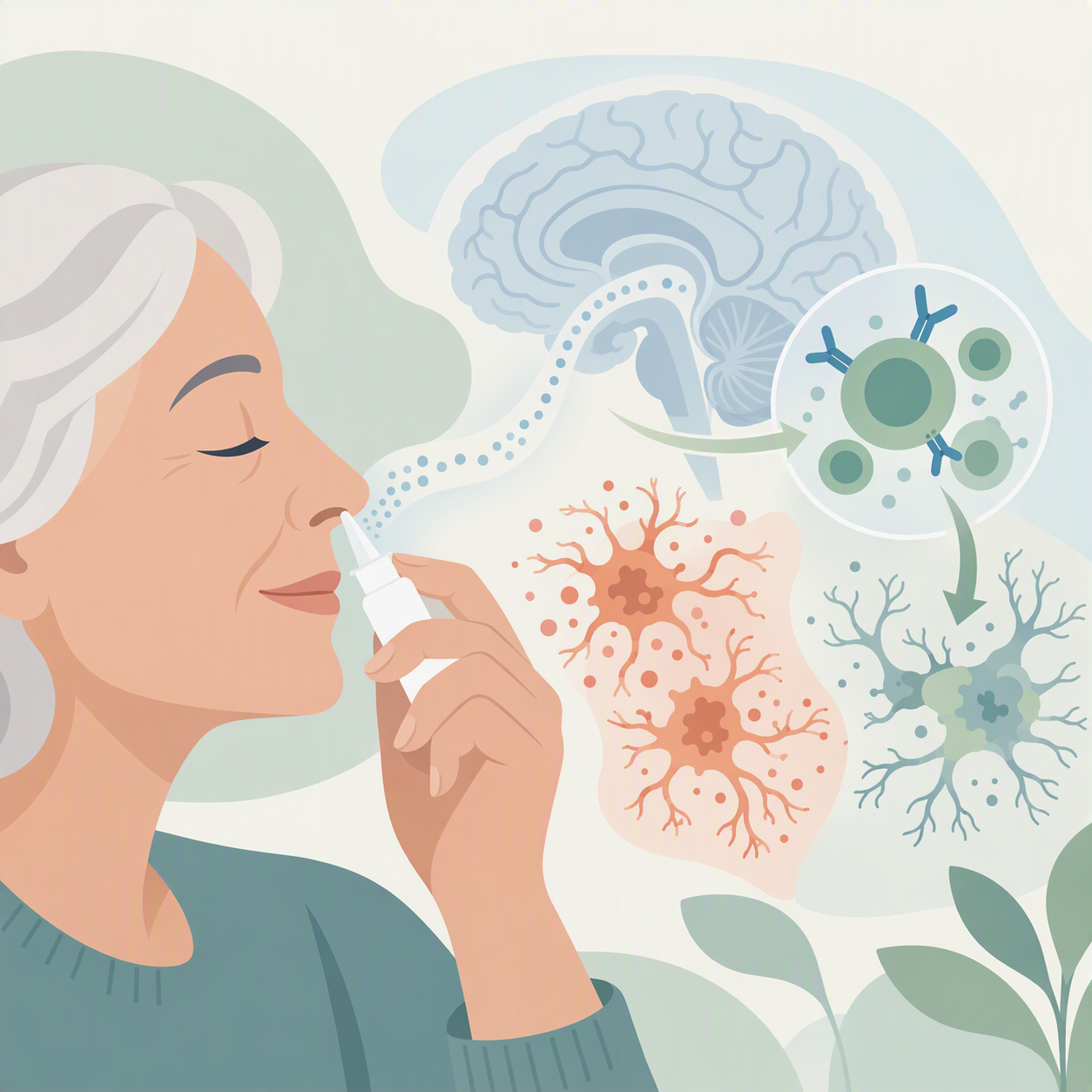
Foralumab: Intranasal Anti-CD3 Therapy in Neurodegeneration
Explore the potential of Foralumab, an intranasal anti-CD3 antibody, in modulating neuroinflammation through Treg induction, with a focus on Alzheimer's disease and multiple sclerosis.
Explore the potential of Foralumab, an intranasal anti-CD3 antibody, in modulating neuroinflammation through Treg induction, with a focus on Alzheimer's disease and multiple sclerosis.
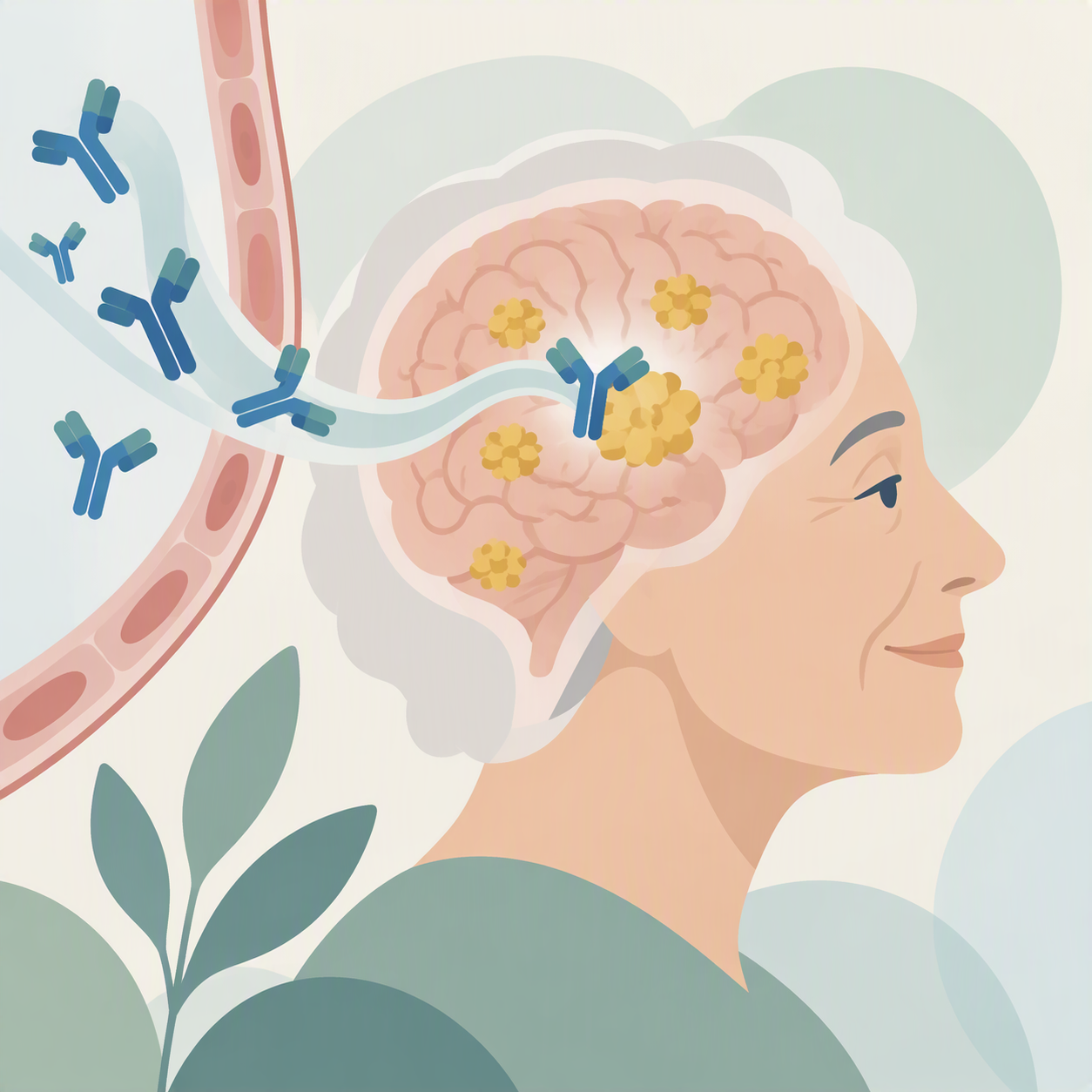
Trontinemab offers a promising strategy for Alzheimer's by enhancing brain penetration of antibodies, potentially reducing amyloid-related imaging abnormalities.

In 1880, a conflict arose between American neurology and psychiatry, resulting in the latter's dominance. Despite the victory being for the right reasons, it led to significant consequences over 140 years, which are only now beginning to resolve.
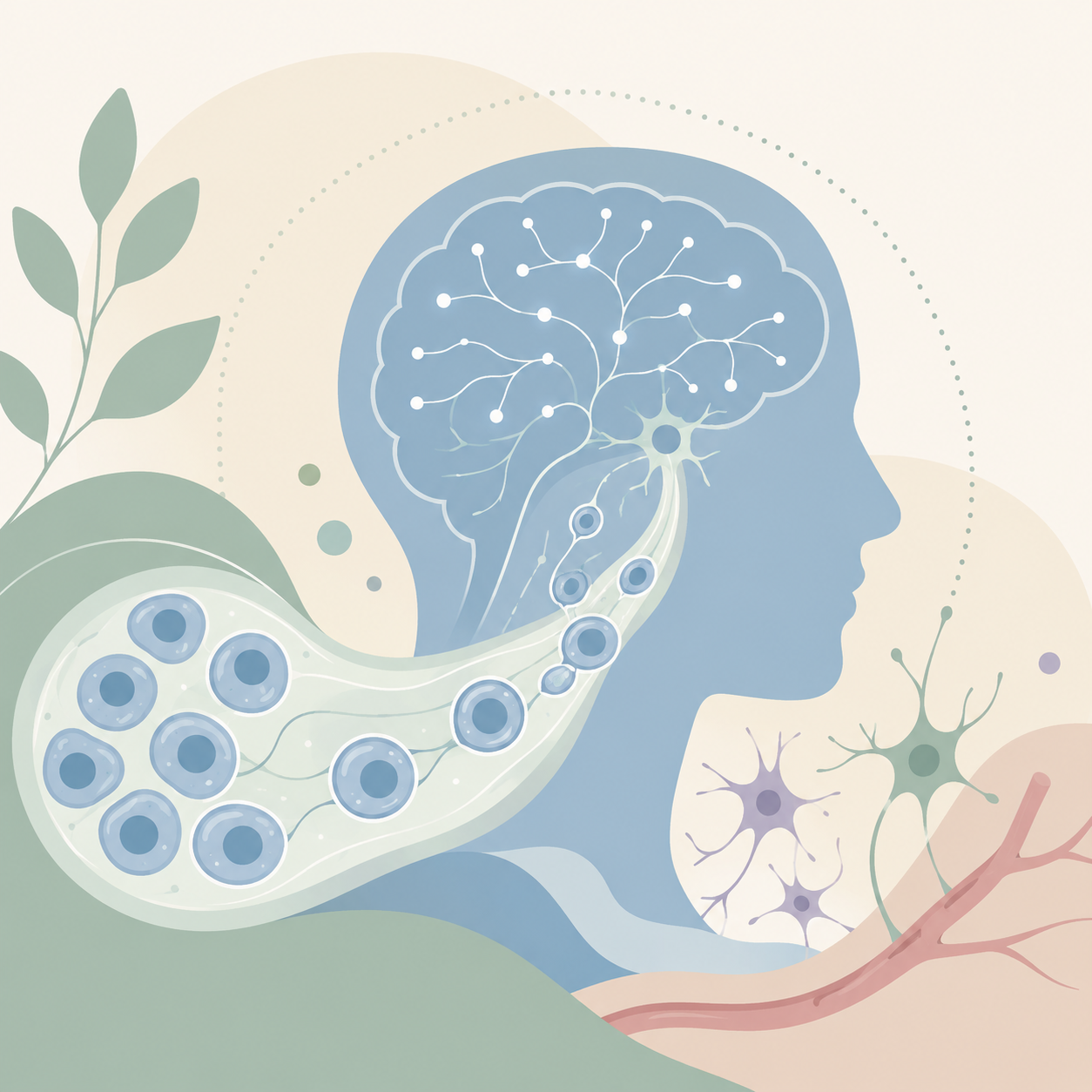
Laromestrocel distinguishes itself in Alzheimer's cell therapy by modulating the neurovascular-inflammatory environment, potentially impacting disease progression. This innovative strategy warrants scientific attention.
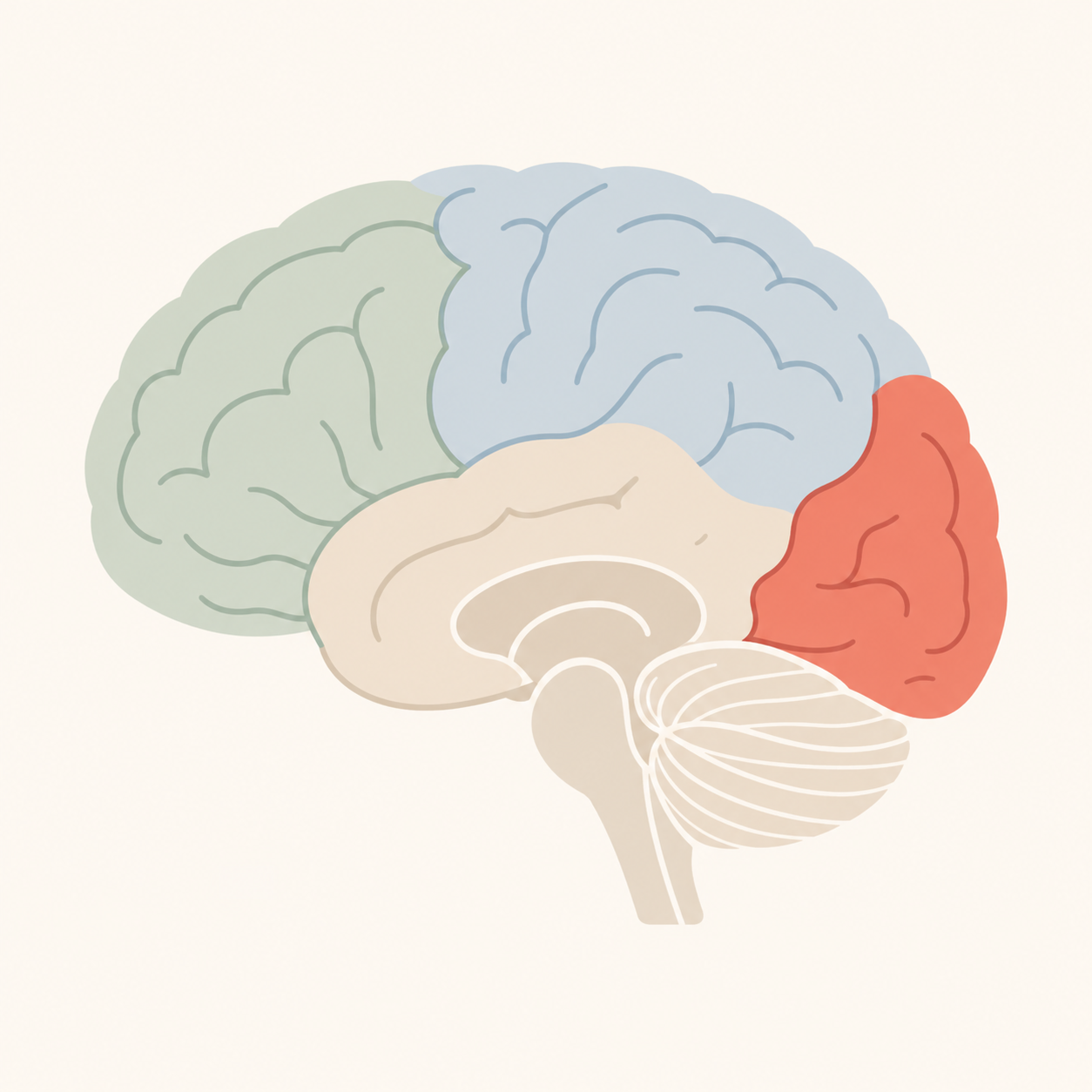
Posterior-predominant amyloid PET binding is biologically significant, not just visually intriguing. It should prompt suspicion for atypical Alzheimer's disease, posterior cortical network involvement, and potential cerebral amyloid angiopathy overlap in diagnostic assessments.
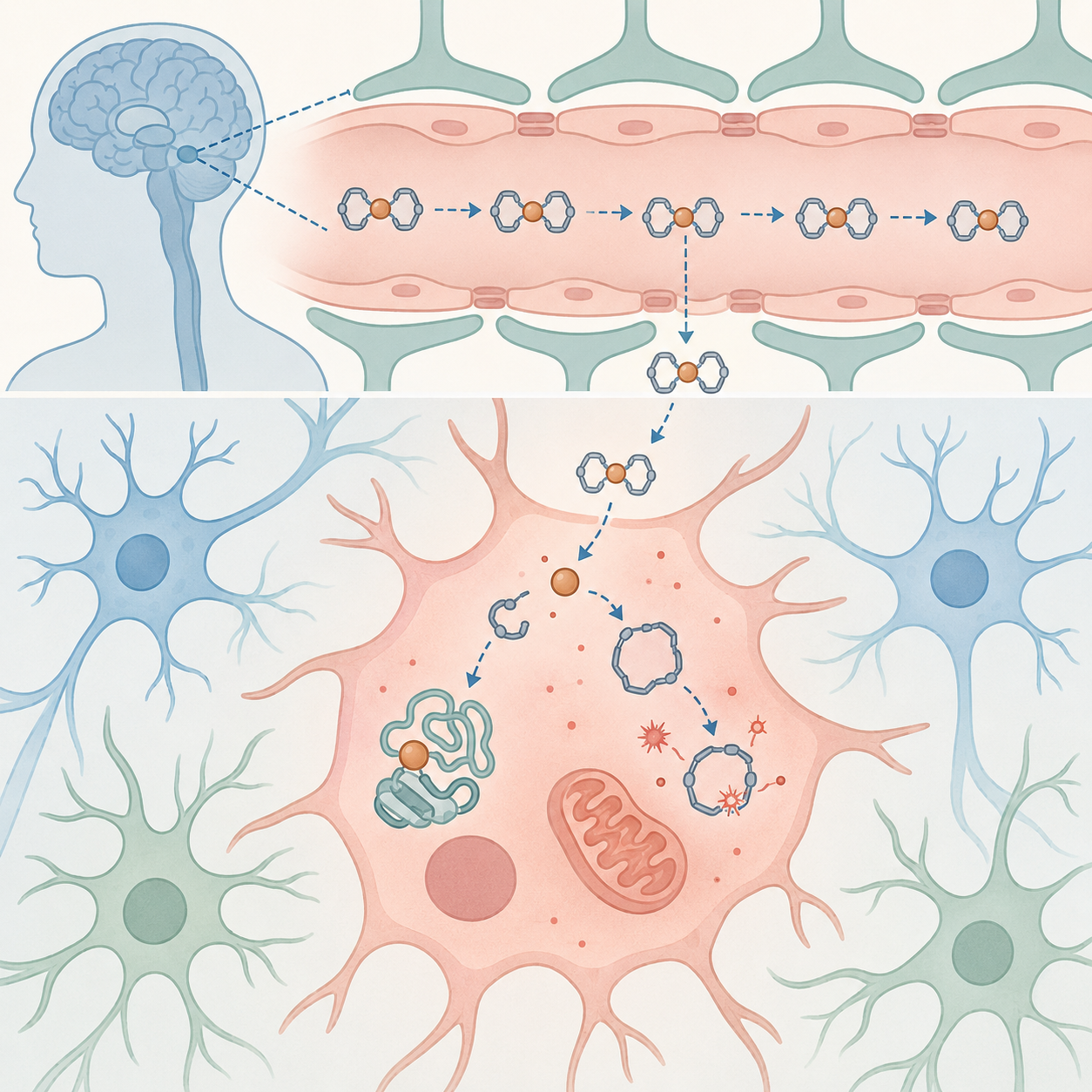
Cu(ATSM) and ferroptosis present promising strategies for Alzheimer's treatment by addressing the blood-brain barrier. This review is aimed at clinicians and scientists in neurology and geriatrics, highlighting translational approaches to neurodegeneration and Alzheimer's therapeutics.
For patients with cognitive symptoms, blood-based biomarkers can indicate the presence of Alzheimer's biology. Start with p-tau, preferably p-tau217, as a screening test. Do not rely solely on A42/40 as a primary decision tool. Use results to determine who needs referral and confirmatory testing.

Anti-amyloid therapies are most effective in patients with early-stage disease, lower tau burden, and preserved functional independence. Delays in referral decrease the chances of patients qualifying for or benefiting from these treatments.
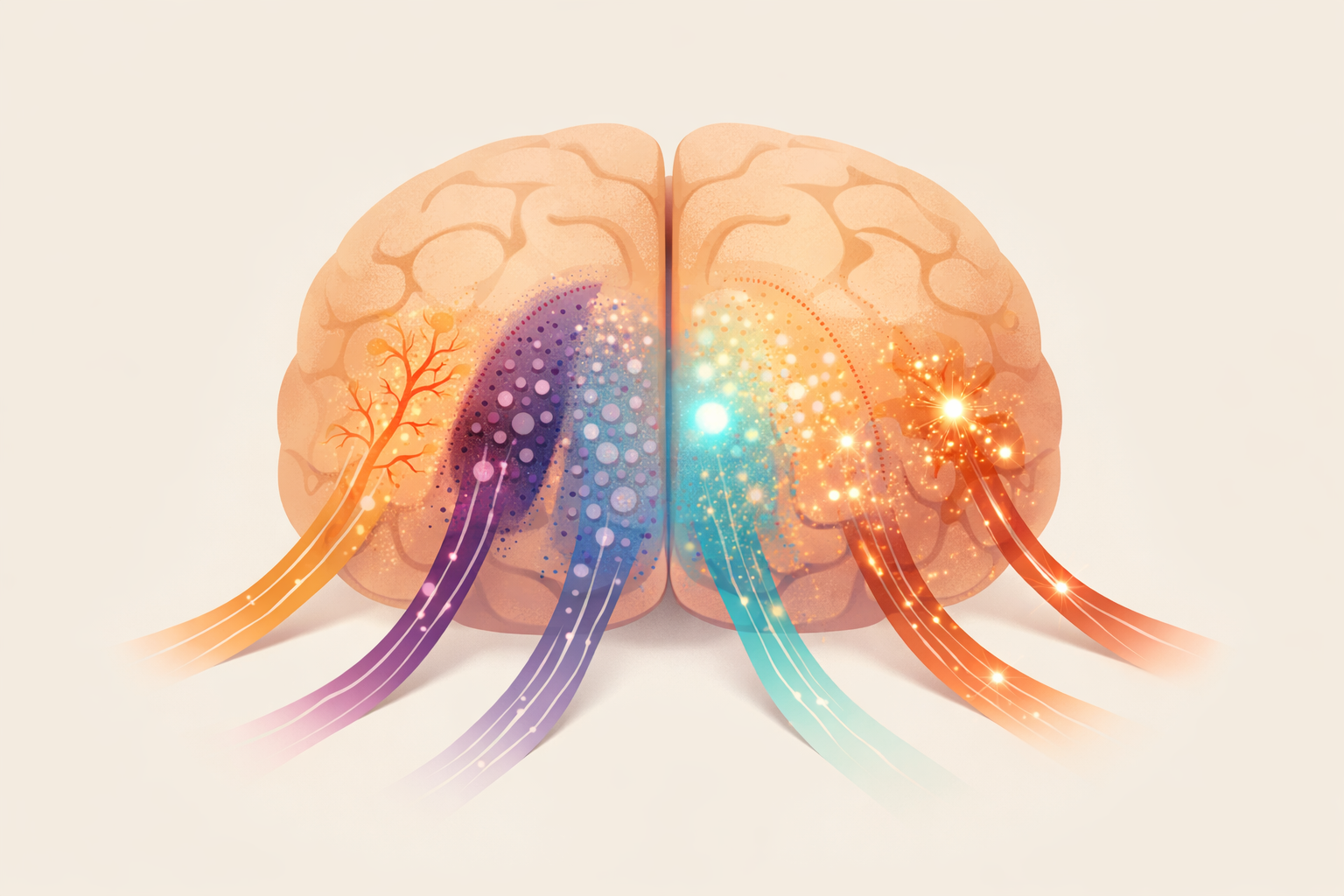
Frontotemporal lobar degeneration (FTLD) encompasses a group of conditions impacting the brain's frontal and temporal lobes, essential for behavior, personality, language, and decision-making. Unlike many other brain disorders, FTLD presents unique challenges due to its diverse manifestations.
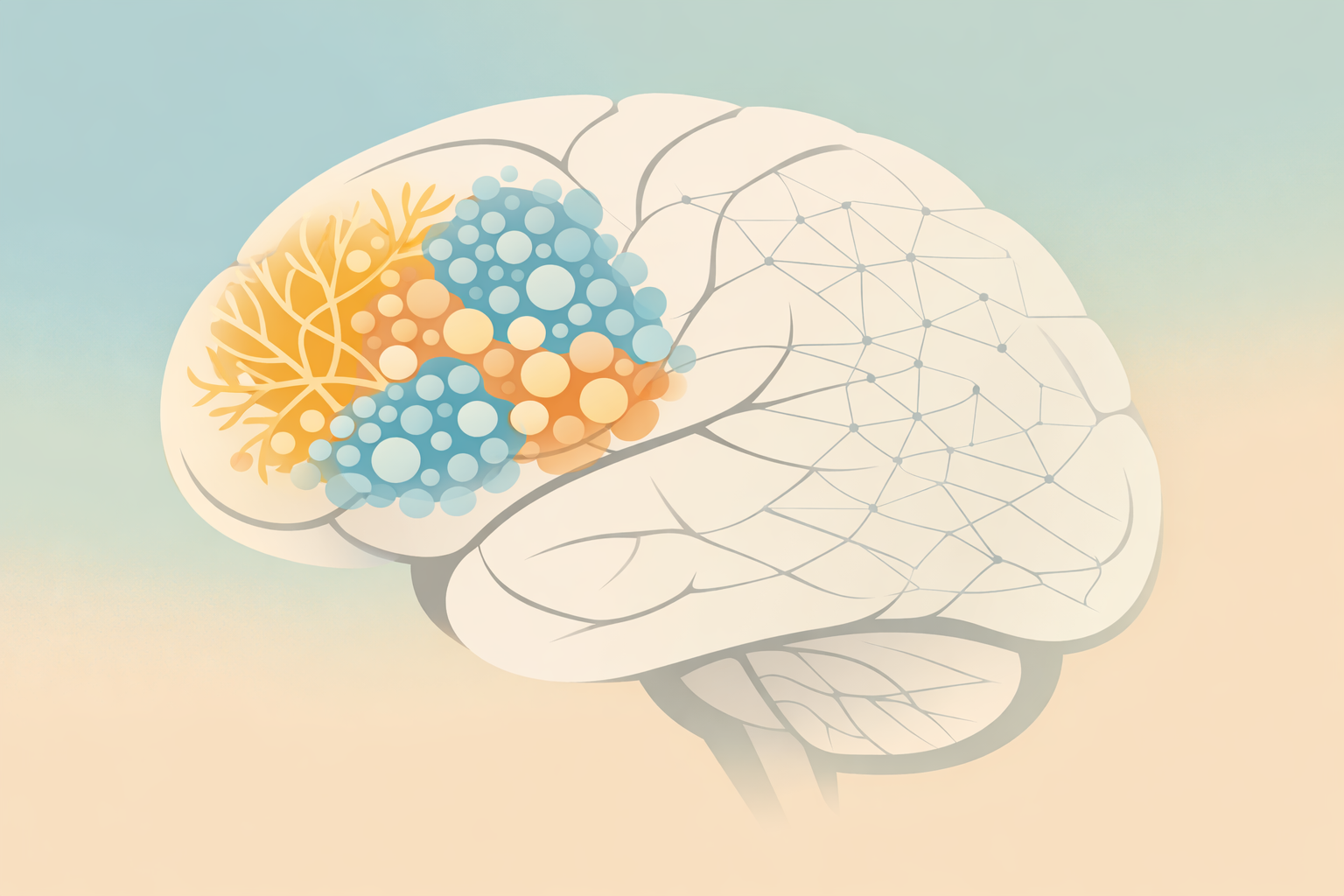
Frontotemporal lobar degeneration (FTLD) encompasses neurodegenerative syndromes mainly caused by TDP-43 (50-60%), tau (35-45%), and less frequently FUS (5-10%) proteinopathies. The clinical manifestations depend more on the affected brain networks than on the specific proteinopathy.

Neurodegenerative diseases like Alzheimer's, Lewy body dementia, and frontotemporal dementia progressively impair brain function, affecting memory, thinking, and behavior. These conditions shorten life expectancy, highlighting the urgent need for research and treatment advancements.

For years, the field has questioned amyloid's significance, potentially overlooking a critical inquiry: Where does amyloid first matter? Regional amyloid positivity is the earliest visible indication of systemic failure. Dismissing it as noise risks missing crucial insights.

Neurodegeneration with Brain Iron Accumulation (NBIA) comprises rare genetic disorders causing iron buildup in the brain, leading to neurological damage. Subtypes like PKAN, PLAN, and BPAN arise from specific mutations. Symptoms include movement disorders and cognitive decline. Diagnosis uses clinical evaluation, MRI, and genetic testing. While incurable, symptoms can be managed with medications, therapies, and support resources.

Secondary parkinsonism mimics Parkinson's disease symptoms but is caused by external factors like medications or toxins. Treatment focuses on addressing the root cause, as typical Parkinson's medications may not work. Diagnosis involves history, exams, and tests. Support resources are available.
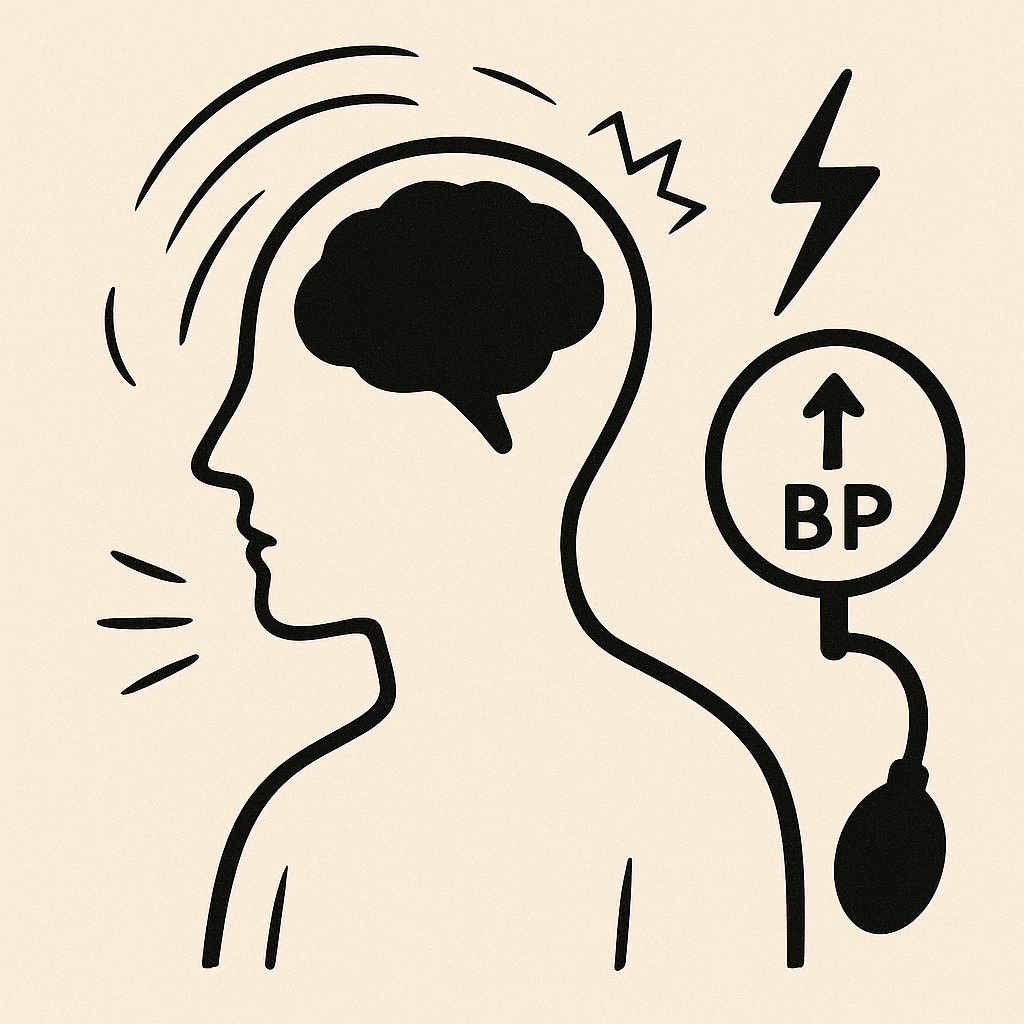
Multiple System Atrophy (MSA) is a rare, progressive neurodegenerative disorder affecting the autonomic system and movement, resembling Parkinson's. It has two types: MSA-P (Parkinsonian) and MSA-C (Cerebellar). Symptoms include autonomic dysfunction and motor issues.

Parkinson's disease is a progressive neurological disorder that affects movement due to the loss of dopamine-producing brain cells. It causes motor symptoms like tremors and rigidity, and non-motor symptoms like mood changes. Management includes medications, therapy, and lifestyle adjustments.

Understanding neurocognitive conditions is crucial for brain health and longevity. They range from normal cognitive function to mild cognitive impairment and various types of dementia, like Alzheimer's and vascular dementia. Recognizing underlying pathologies, such as amyloid plaques and genetic factors, aids accurate diagnosis and management.

Long COVID can lead to "brain fog," characterized by slow thinking and memory problems. Causes include severe initial infection, ongoing inflammation, and blood-brain barrier issues. Diagnosis is tough, treatment targets symptoms, and outcomes differ.

Limbic-predominant Amnestic Neurodegenerative Syndrome (LANS) is a slowly progressing disorder impacting memory and emotions, caused by TDP-43 protein accumulation in the limbic system. While similar to Alzheimer's, LANS advances at a slower pace.

Creutzfeldt-Jakob Disease (CJD) is a rare, fatal brain disorder caused by prions, appearing in sporadic, genetic, and acquired forms. Symptoms include rapidly progressing dementia and motor dysfunction. Diagnosis uses EEG, MRI, and CSF tests. There's no cure; treatment focuses on symptom relief.

The review highlights "chemobrain" as a major side effect of cancer treatments, affecting memory and attention. It calls for more research, consistent testing, and management guidelines to improve patients' quality of life. It notes shared mechanisms like oxidative stress and urges development of targeted interventions.

Parkinson's Disease Dementia (PDD) affects cognition, behavior, and movement due to Lewy bodies, causing memory and motor issues, hallucinations, and sleep problems that worsen with age. While incurable, treatments and routines can help manage symptoms.

Progressive Supranuclear Palsy (PSP) is a rare brain disorder caused by tau protein buildup, affecting movement, balance, vision, speech, and thinking. It usually begins in the mid-60s and worsens over time. While there's no cure, therapies and medications can help manage symptoms.

Dementia with Lewy body disease (DLB) impacts cognition, behavior, and movement due to alpha-synuclein buildup, with symptoms like focus issues, memory loss, sleep problems, and hallucinations, usually between ages 50-85. Treatments include medications and therapies.

Wernicke-Korsakoff Syndrome (WKS) is a neurological disorder caused by thiamine deficiency, often associated with malnutrition. It includes Wernicke's encephalopathy, causing confusion and coordination problems, and Korsakoff's psychosis, leading to memory loss and confabulation.

Chronic Traumatic Encephalopathy (CTE) is a progressive brain condition caused by repeated head injuries, common in contact sports like football, boxing, and hockey. It leads to memory loss, mood changes, and speech issues. Researchers are seeking early diagnosis, better treatments, and prevention strategies.

Corticobasal syndrome (CBS) is a neurological condition impacting movement and language, causing muscle stiffness, tremors, coordination issues, and speech problems. Symptoms worsen over time. Management includes medication, physical and occupational therapies, and lifestyle changes to enhance quality of life.

The article explores Posterior Cortical Atrophy (PCA), a rare Alzheimer's variant affecting visual and spatial abilities. It discusses PCA's causes, symptoms, diagnosis, and treatments, offering insights for patients and caregivers.

Individuals with logopenic variant primary progressive aphasia (lvPPA) experience progressive word-finding and speech difficulties, impacting communication and daily life. The text explores neurological causes, symptoms, management strategies, and resources for support, caregiving, and research participation.

Nonfluent variant primary progressive aphasia (nfvPPA) is a neurological condition characterized by gradual speech and language impairments, impacting communication. It is influenced by genetic and environmental factors. Early symptoms include halting speech and grammar issues.

Semantic variant primary progressive aphasia (svPPA) is a neurological condition that progressively impairs language and communication, often leading to social withdrawal due to brain degeneration. Management includes speech therapy and cognitive exercises to support language skills and brain function.

Primary Progressive Aphasia (PPA) is a brain disorder impairing speech and language due to degeneration in specific brain areas. It has three variants and is associated with frontotemporal lobar degeneration or Alzheimer's. Speech therapy can aid in symptom management, but PPA typically doesn't improve.
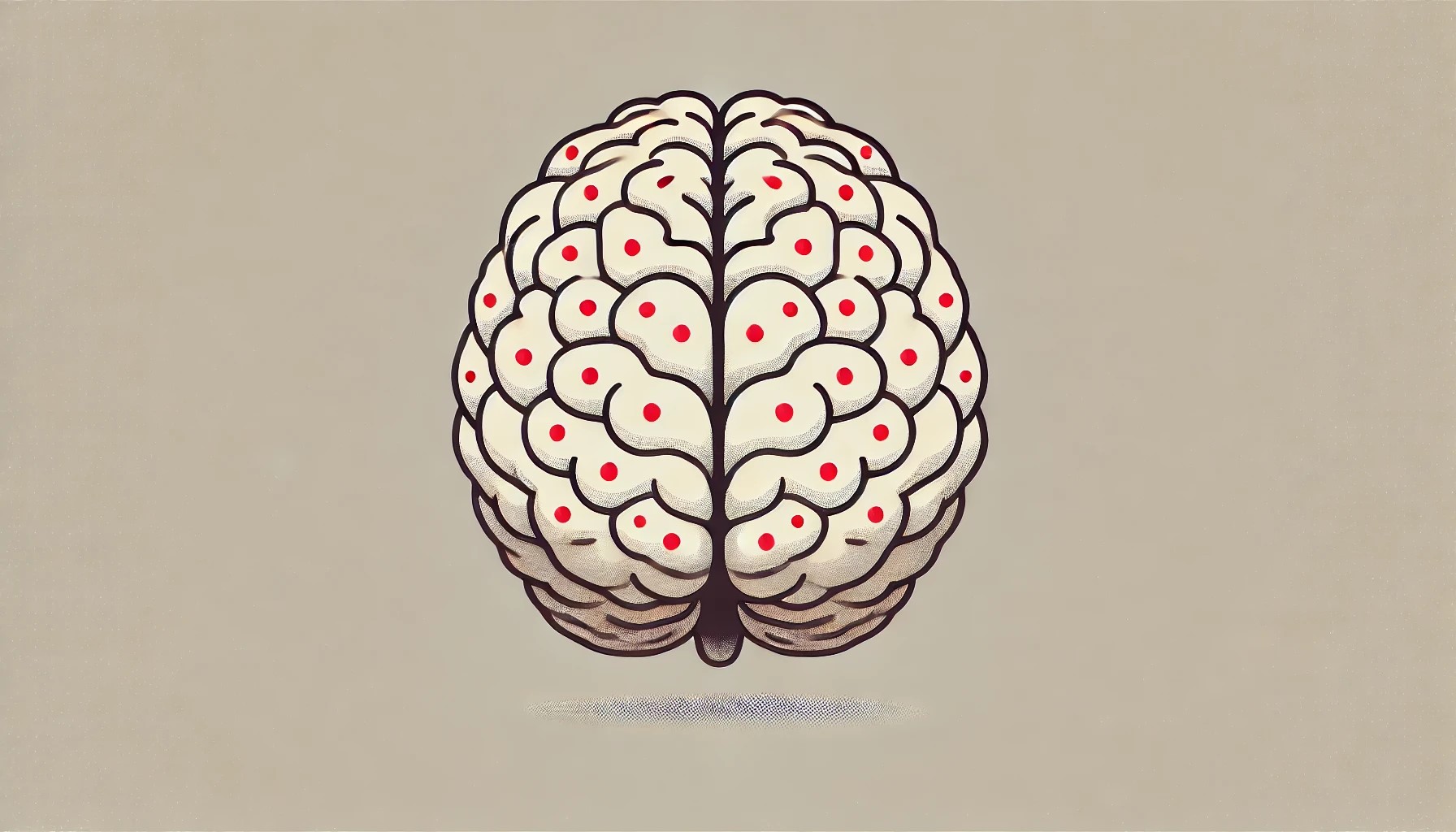
Cerebral amyloid angiopathy (CAA) is a brain disorder affecting blood vessels. It occurs when amyloid-beta protein, also linked to Alzheimer's disease, accumulates in the walls of small brain vessels. This guide provides essential information for patients and families about understanding and managin
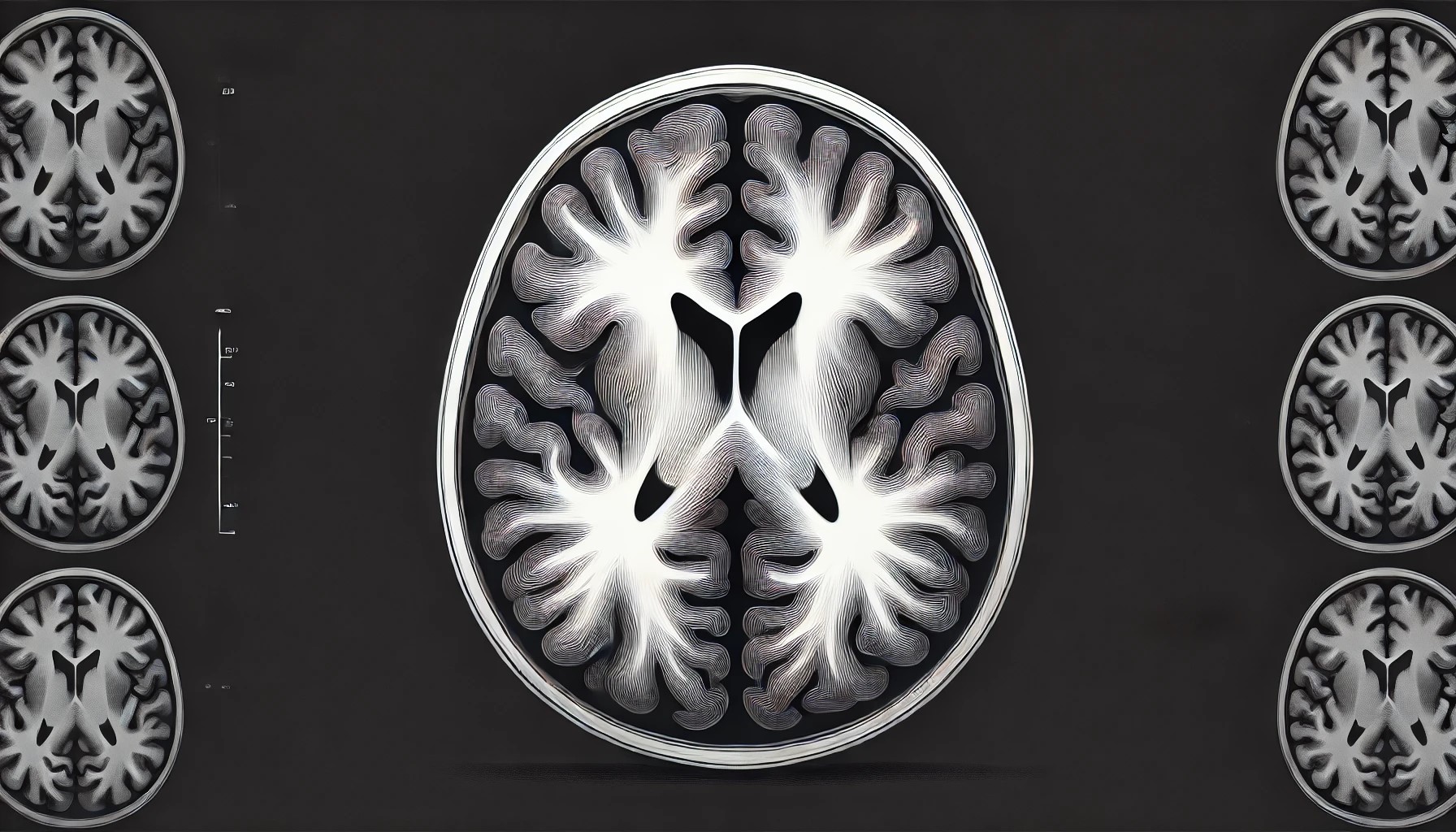
Vascular dementia results from reduced brain blood flow, causing cognitive decline with symptoms like memory loss, speech issues, and balance problems. The guide covers causes, symptoms, risk factors, diagnosis, and management, including lifestyle changes, medications, and support systems.

Frontotemporal Dementia (FTD) is a progressive brain disorder affecting behavior, language, and motor skills due to degeneration of the frontal and temporal lobes. It is often misdiagnosed as Alzheimer's or psychiatric issues. Accurate diagnosis and management are essential for enhancing quality of life.

Alzheimer's disease is a form of dementia with symptoms like memory loss, cognitive decline, and behavioral changes. It progresses from mild forgetfulness to severe impairment. Management includes medications, therapies, diet, exercise, and mental activities to potentially slow progression.

Mild Cognitive Impairment (MCI) involves noticeable memory deficits that don't hinder daily activities but can progress to conditions like Alzheimer's. The article discusses MCI diagnosis, management through lifestyle changes and medications, and highlights early signs and prevention of its progression to dementia.

GLP-1 receptor agonists have significantly advanced metabolic medicine, but their appetite-suppressing effects pose risks for vulnerable groups. In individuals with cognitive impairment, these effects can lead to excessive weight loss and malnutrition, potentially compromising their physiological re

Opting out of disease-modifying therapies is a valid and often appropriate decision for many individuals and families. This choice may stem from personal values, medical considerations, risk tolerance, or a preference for prioritizing daily quality of life over intensive medical treatments.

This guide outlines the anti-amyloid therapy pathway, detailing the sequence of experiences, expectations, and necessary actions if symptoms arise. Anti-amyloid therapy may modestly slow cognitive decline in early Alzheimer's disease.

Kisunla (Donanemab), developed by Eli Lilly, is an antibody therapy for early symptomatic Alzheimer's disease. It targets amyloid plaques in the brain to slow disease progression. The TRAILBLAZER-ALZ 2 study demonstrated that Kisunla modestly delays cognitive decline, particularly in early stages.

New Alzheimer's treatments offer hope by slowing the disease's biological process, rather than just addressing symptoms. However, these medications are not suitable for all patients, creating a mix of optimism and uncertainty in the medical community.
Over the past decade, the evaluation of memory and cognitive changes has transitioned from symptom-based assessments to a biologically grounded disease model. This shift acknowledges the importance of biological markers in diagnosing cognitive syndromes like mild cognitive impairment.
Brain imaging is a key component in evaluating memory, cognitive, or neurological changes. MRI and PET scans provide insights into brain structure and biology. While these tests alone do not diagnose symptoms, they offer crucial information that aids clinicians in the diagnostic process.

Vascular health involves the condition of blood vessels supplying the brain. These vessels deliver oxygen and nutrients while removing waste, enabling clear thinking, balance, mood regulation, and daily functioning. Maintaining healthy blood vessels is crucial for overall brain health and performanc

Alpha-synuclein disease encompasses brain conditions like Parkinson's disease, dementia with Lewy bodies, and multiple system atrophy. These disorders share a common biological mechanism: the accumulation of abnormal alpha-synuclein proteins in the brain. Each condition presents unique symptoms and
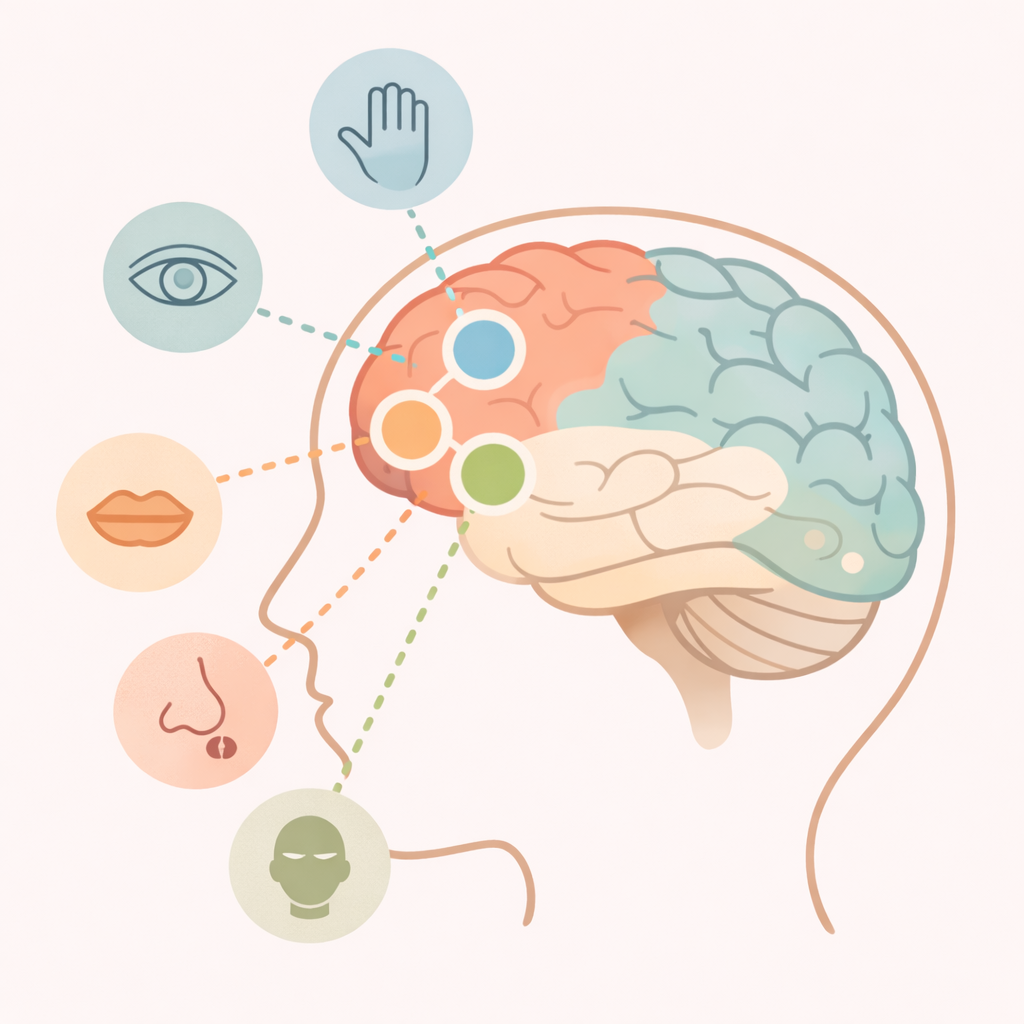
Frontotemporal disease includes brain disorders that progressively affect the frontal and temporal lobes, crucial for behavior, decision-making, social interactions, language, and complex actions. The disease's diverse manifestations make diagnosis and treatment challenging.

Parkinson Spectrum Disorders" refers to various neurological conditions with similar movement symptoms but distinct underlying biology, affected brain systems, symptom progression, and treatment options.
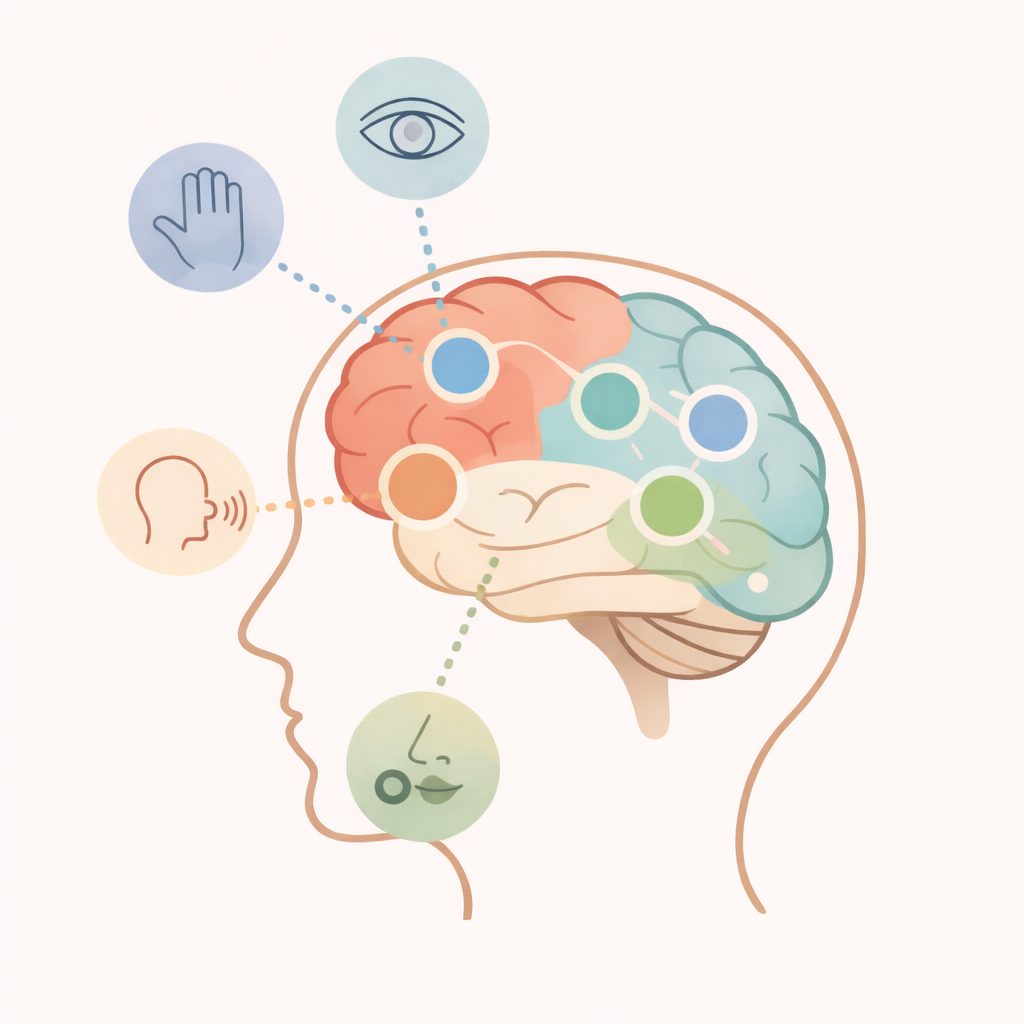
Frontotemporal disease is a group of brain disorders that progressively impact the frontal and temporal lobes. These regions are crucial for behavior, decision-making, social interactions, language, and coordinating complex actions. The disease may manifest in various ways, affecting each function d

Parkinson Spectrum Disorders" encompasses neurological conditions with similar movement symptoms but distinct underlying biology and affected brain systems. Recognizing these differences is vital for accurate diagnosis and effective treatment.

Alpha-synuclein disease encompasses neurological disorders caused by the abnormal accumulation of the brain protein alpha-synuclein. This buildup hinders communication between brain cells and affects networks responsible for movement, cognition, and perception.

Alzheimer's disease is often linked to memory loss, yet it can manifest in diverse ways among individuals. This variation arises because Alzheimer's impacts different brain systems, each governing distinct functions. Recognizing these differences is essential for improving diagnosis and treatment.

A patient- and family-friendly guide to cognitive and brain health is essential when changes in memory, thinking, language, or behavior occur. Identifying the cause is crucial, as many brain conditions can appear similar initially. Biomarkers play a key role in distinguishing these conditions.

Doctors use a comprehensive approach, including brain scans and biomarkers, to assess changes in memory, thinking, or behavior. This method offers a clearer understanding of the underlying issues affecting daily function, rather than relying on a single test or scan.

The Skin Alpha-Synuclein Test diagnoses patients with symptoms like tremors, stiffness, and balance issues by detecting alpha-synuclein proteins. It identifies neurological conditions, providing vital insights into patient health and potentially enhancing treatment strategies.
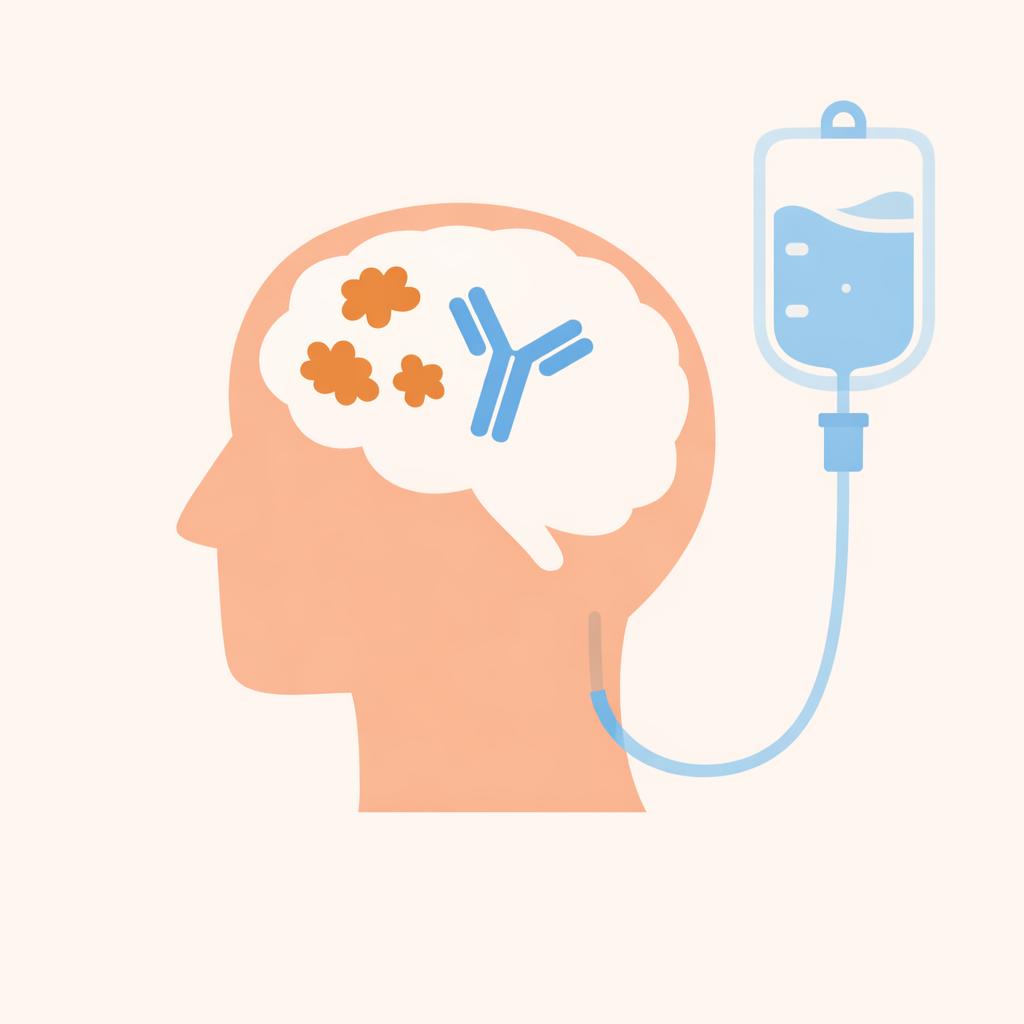
For those affected by early Alzheimer's disease, anti-amyloid therapies represent a significant scientific advancement. While these treatments can seem complex, understanding them is crucial for making informed care decisions.

When individuals notice changes in memory, thinking, or problem-solving, they often seek clear answers. A common question is not what is happening, but why. A lumbar puncture is a diagnostic tool that can provide clearer insights into these cognitive changes. This article explores its significance.

Alzheimer's disease extends beyond memory loss. It is a progressive brain disorder that gradually impairs the networks responsible for thinking, memory, speech, and independent functioning. Currently, doctors recognize Alzheimer's as a biological process that starts long before symptoms manifest.

This article provides a clear narrative, focusing on patients and caregivers. It explores each concept in depth, aligning with modern neurocognitive best practices. The language is accessible and informative, ensuring clarity and engagement for all readers.

For years, Alzheimer's care emphasized coping rather than altering the disease. Understanding what treatments can and cannot do, how risks are managed, and how decisions evolve over time is crucial. This conversation is timely as new approaches aim to change the disease's course, not just its sympto
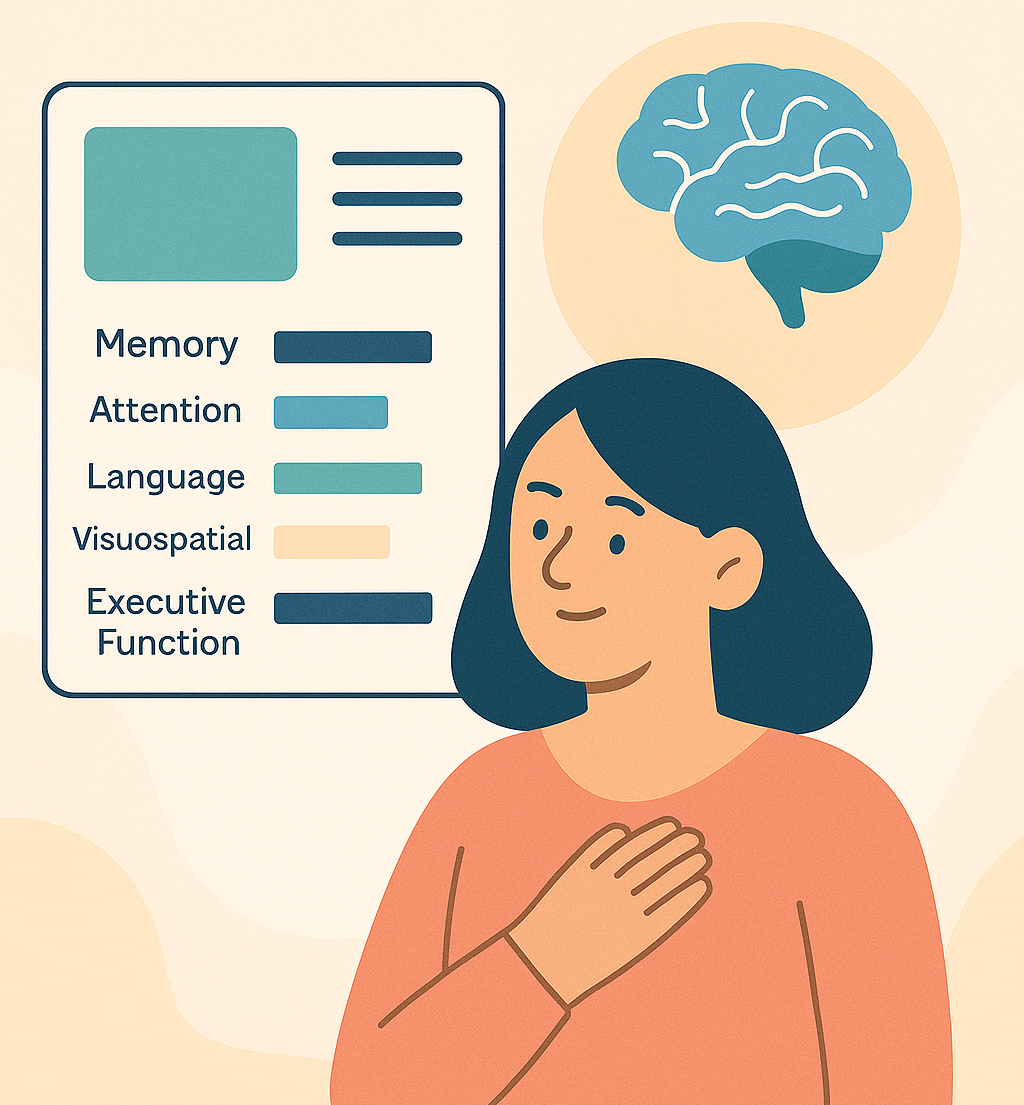
The neurocognitive report assesses brain functions like memory, attention, language, visuospatial skills, and executive function against age and background norms. Patterns in scores are more significant than individual results. Discuss findings with a healthcare provider, monitor changes, and adopt

The APOE gene, with variants E2, E3, and E4, influences fat processing and brain health. APOE-E4 raises the risk of Alzheimer's and heart disease. However, a diet rich in leafy greens, berries, nuts, and fatty fish, combined with regular exercise and stress management, can mitigate these risks.

The MIND diet, developed in 2015, combines elements of the Mediterranean and DASH diets to boost brain health. It focuses on leafy greens and whole grains while reducing red meat and sweets. Although initial studies showed positive associations, recent trials found no significant effects, prompting

Alzheimer's disease is marked by beta-amyloid protein buildup, notably A-beta-42, which blocks the glymphatic system, leading to neurodegeneration. Low A-beta-42 and high tau proteins in cerebrospinal fluid are diagnostic markers. Early diagnosis allows treatments to slow disease progression.

Understanding cognitive decline, from subjective cognitive impairment (SCI) to mild cognitive impairment (MCI) and dementia, is crucial as the population ages. SCI involves self-reported changes, MCI shows measurable deficits, and dementia severely impacts daily life. Biomarkers aid diagnosis, but early detection and research are vital for better outcomes.

Synucleinopathies, including Parkinson's Disease, Dementia with Lewy Bodies, Parkinson's Disease Dementia, Multiple System Atrophy, and REM Sleep Behavior Disorder, are neurological disorders caused by abnormal alpha-synuclein in the brain, affecting movement, cognition, and sleep. Diagnosis uses exams, imaging, and studies to guide care.

Frontotemporal lobar degeneration (FTLD) includes neurodegenerative disorders affecting the frontal and temporal brain lobes, impacting behavior, language, and motor functions. Types include bvFTD, svPPA, nfvPPA, PSP, and CBS. Diagnosis involves neuropsychological tests, brain imaging, and neurological exams.

Alzheimer's disease includes forms like PCA (visual processing), lvPPA (language), CBS (movement/cognition), Amnestic (memory), and Executive (executive functions). Diagnosis involves cognitive tests, imaging, and neurological exams to create tailored care plans, aiding effective symptom management.

Families often compare dementia to reverse aging. Individuals first lose complex skills like managing finances or work duties. Over time, they struggle with everyday tasks such as cooking and dressing, eventually requiring help with basic self-care.

The motor and sensory domain involves movement and sensation, controlled by the motor cortex, somatosensory cortex, cerebellum, and basal ganglia. Impairments from conditions like Parkinson's, stroke, and MS affect coordination and sensory processing. Management includes therapy, assistive devices, and caregiver support.

The social, emotional, and behavioral domain involves brain areas such as the prefrontal cortex and amygdala, influencing empathy and impulse control. Conditions like ASD and TBI can impair these functions. Therapy, social skills training, mindfulness, and caregiver support can help manage symptoms

The attention and concentration domain involves brain areas like the frontal and parietal lobes, thalamus, and anterior cingulate cortex. Impairments can stem from ADHD, dementia, TBI, and depression. Management strategies include CBT, mindfulness, routines, and apps. Consulting healthcare providers for personalized strategies is advised.

The language domain involves the brain's ability to process communication, primarily in the left hemisphere. Impairments, such as aphasia, can affect quality of life and are caused by conditions like stroke and Alzheimer's. Management includes speech therapy, AAC, and support to help maintain communication abilities.

Visuospatial skills enable spatial understanding and object visualization, primarily in the right parietal lobe. Impairments, due to conditions like Alzheimer's or stroke, affect tasks such as navigation and object recognition. Management strategies include therapy, environmental changes, adaptive tools, and support for independence.
Executive function, crucial for managing thoughts, actions, and emotions, is mainly localized in the prefrontal cortex. Impairment affects decision-making and behavior, caused by dementia, brain injury, or mental health issues. Management includes therapy, support groups, memory aids, routines, apps, and healthy practices.

Memory involves storing, retaining, and retrieving information, primarily in the hippocampus and assisted by the prefrontal cortex. Impairments range from forgetfulness to disorientation, caused by Alzheimer's, vascular dementia, TBI, and substance abuse. Early recognition and support enhance quality of life.

In early Alzheimer's, individuals stay independent but need help with planning. Care partners are vital in daily tasks, fostering independence, and supporting emotional well-being. They should prioritize self-care and seek support. Understanding Alzheimer's aids in effective care and informed decision-making.

Anti-amyloid therapy should aim to stabilize the biological systems defining the disease, rather than merely removing plaques. Essential elements include amyloid clearance, tau suppression, and achieving neurodegenerative stability as the ultimate goal.
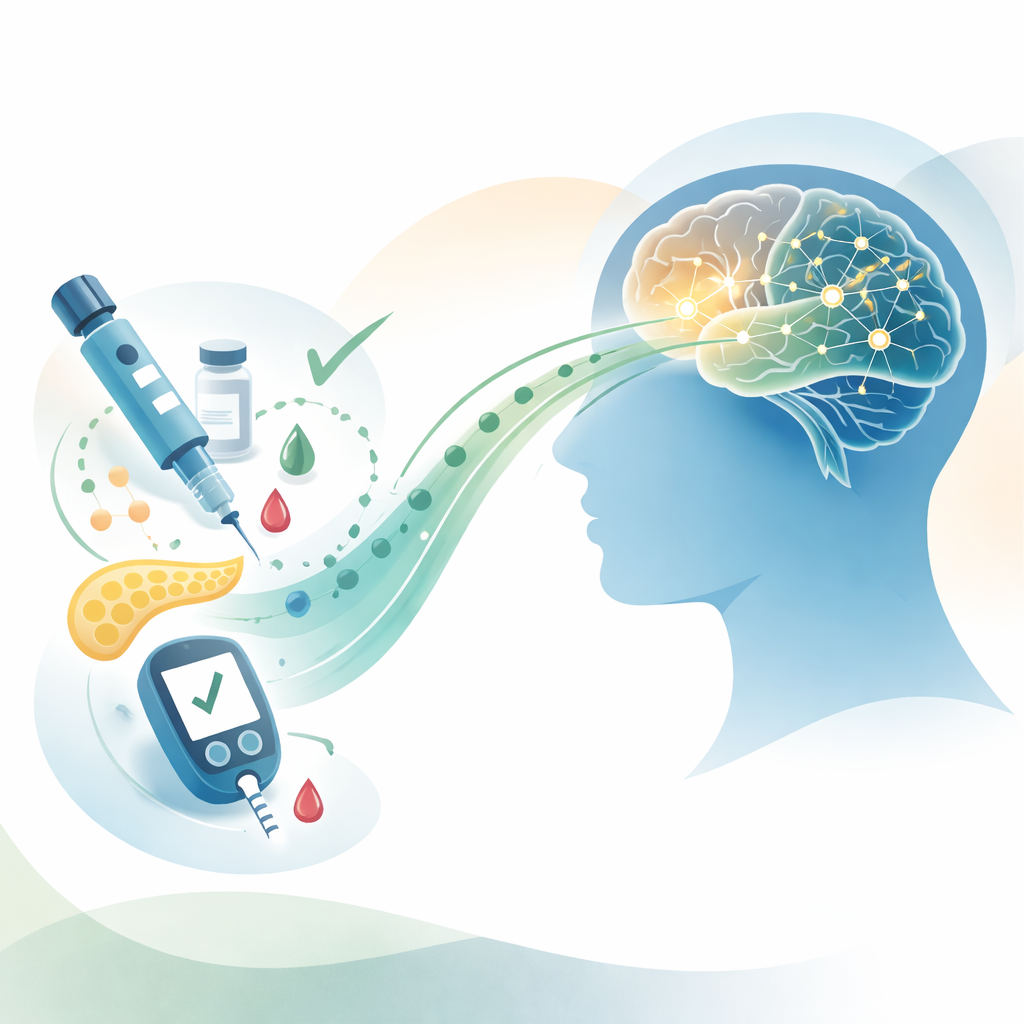
GLP-1 receptor agonists, including semaglutide, were studied for treating neurodegenerative diseases. However, large Phase 3 trials for Alzheimer's revealed no significant symptomatic benefits, challenging initial optimism for these treatments.

The Swedish BioFINDER program at Lund University pioneers the biological measurement and staging of neurodegenerative diseases, moving beyond reliance on late-stage symptoms. This strategy is implemented in BioFINDER-1, BioFINDER-2, and the new BioFINDER Primary Care initiative.
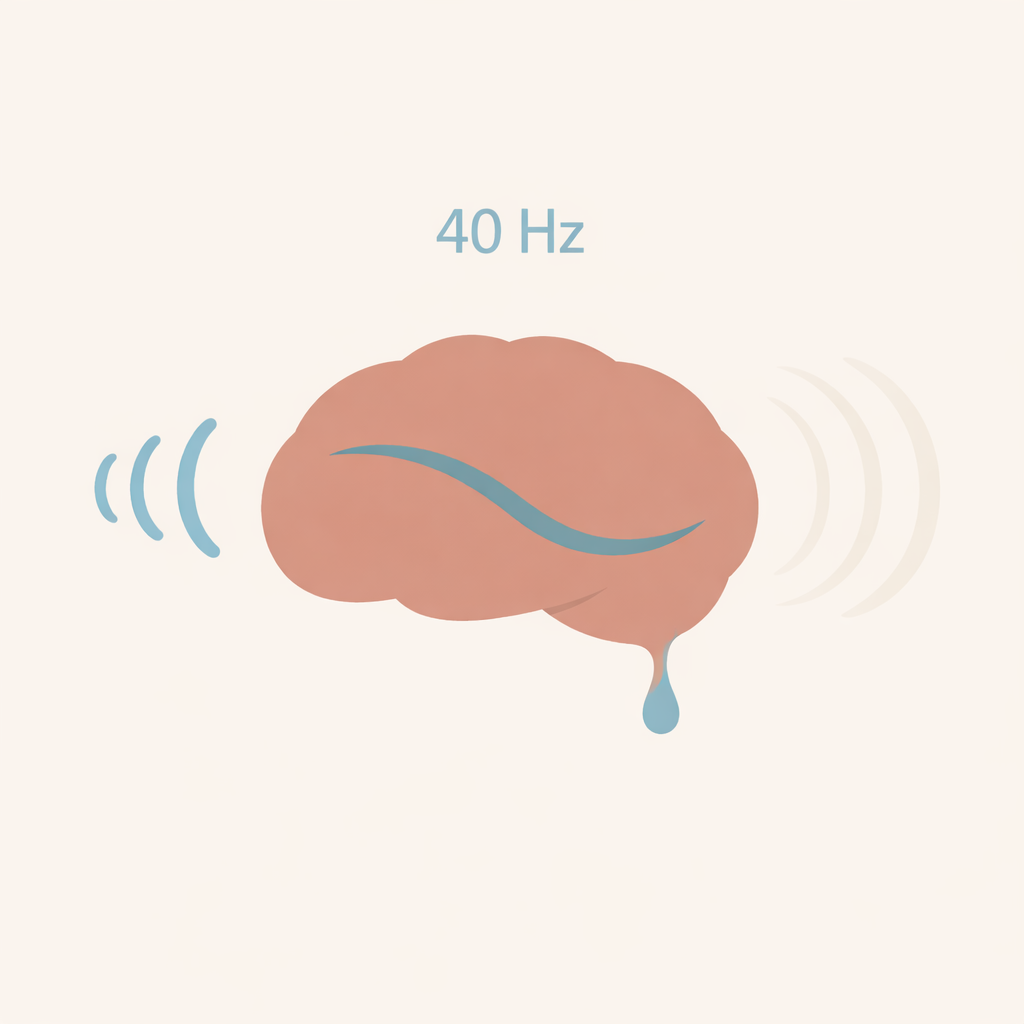
For nearly a decade, researchers have been intrigued by gamma-frequency (40 Hz) brain stimulation in Alzheimer's studies. Initial animal research suggested that gamma entrainment using light or sound could reduce amyloid levels, though questions remain about whether this is merely due to microglial
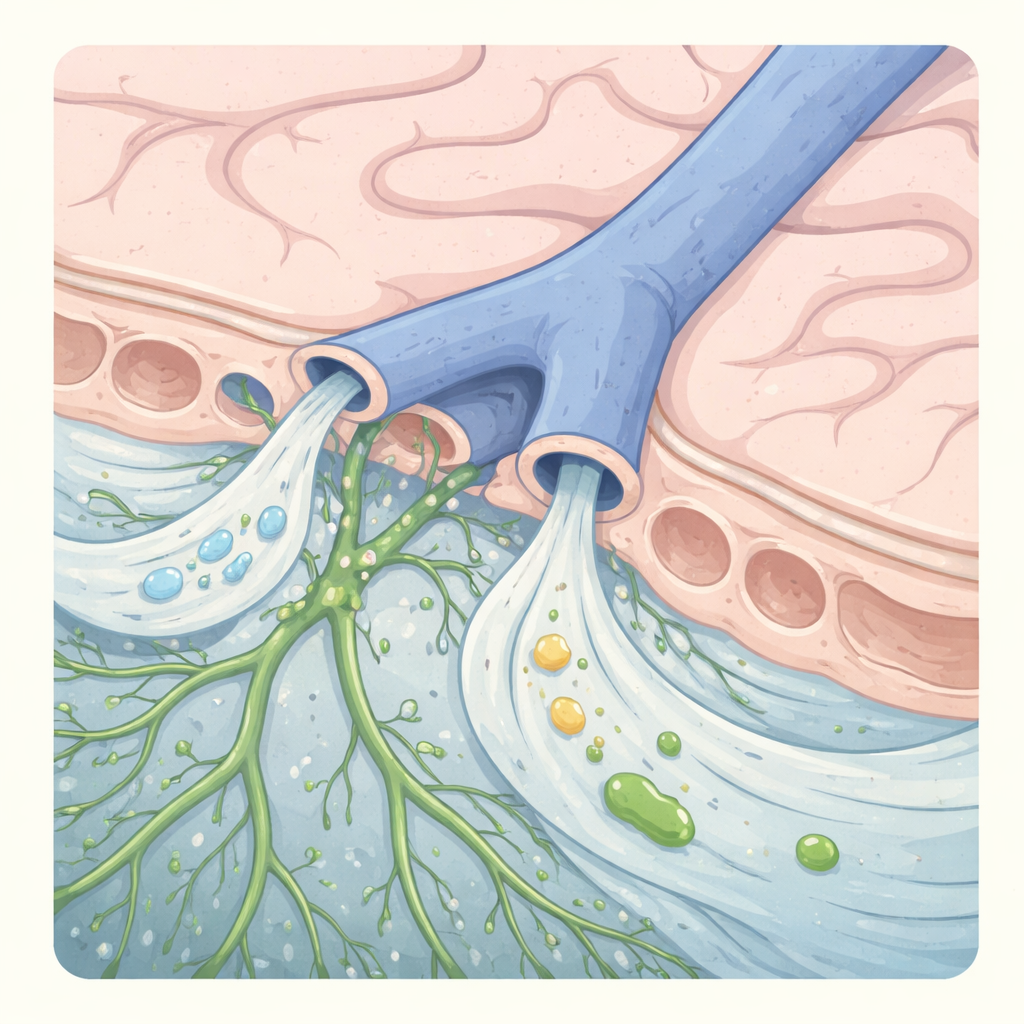
A 2024 study challenges the traditional view of the arachnoid barrier as a continuous, impermeable interface between the CNS and the dura mater, highlighting new insights into meningeal lymphatics, glymphatic flow, and neuroimmune surveillance. These discoveries reshape our understanding of CNS inte

The classical model of protein aggregation from monomer to oligomer to fibril inadequately explains the structural and kinetic changes in tauopathies, synucleinopathies, ALS/FTD-spectrum disorders, and Huntington's disease. These neurodegenerative conditions display intrinsic complexity.
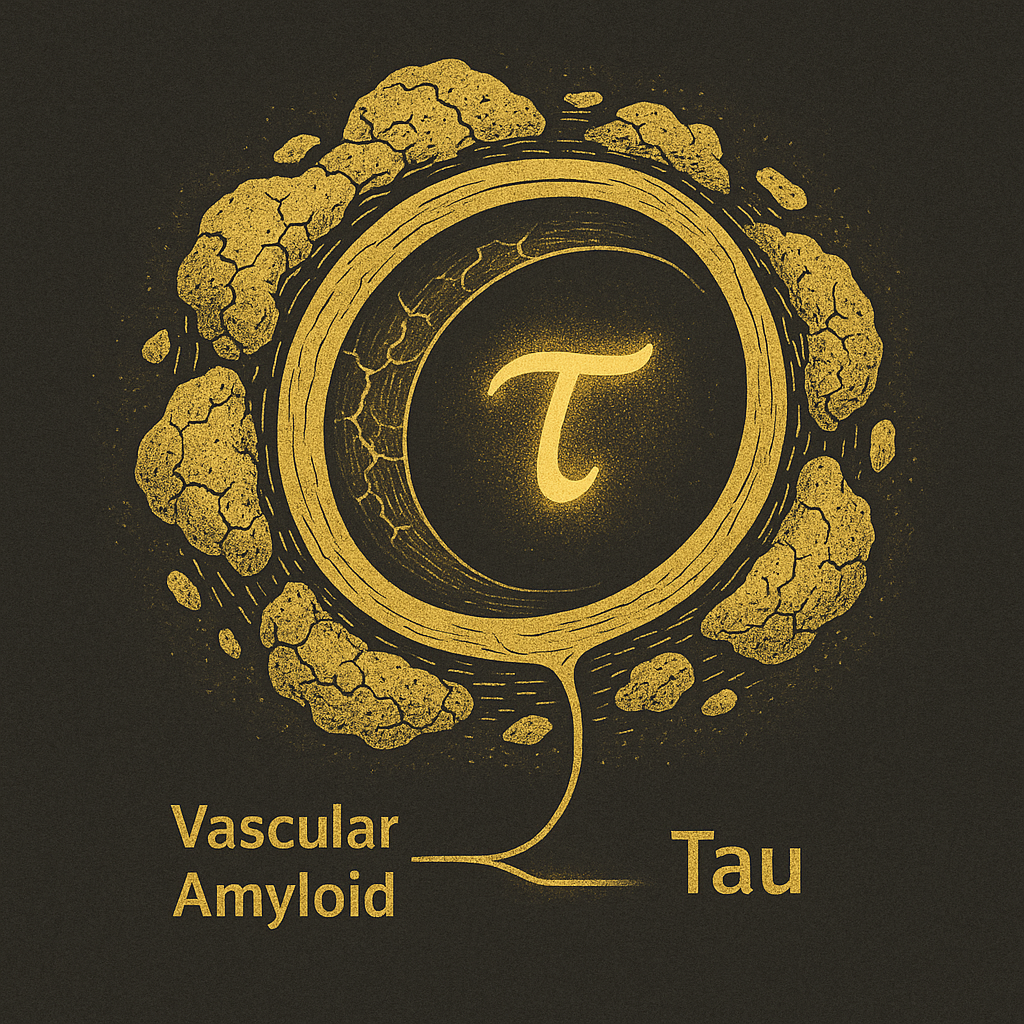
Cerebral amyloid angiopathy (CAA) significantly contributes to cognitive decline in aging and Alzheimer's disease. Although parenchymal A-beta plaques have been the primary therapeutic target, amyloid deposits in cerebral vessels cause microbleeds and impair vascular function, complicating treatment

The study identifies two subtypes of Cerebellar Cognitive Affective Syndrome in cerebellar disorders using the German CCAS-Scale: severe and mild impairments. Findings highlight distinct cognitive deficits for tailored interventions. Limitations involve diagnostic sensitivity and patient heterogeneity, suggesting future research on refined tools and neuroimaging.

The Alzheimer's Disease Neuroimaging Initiative (ADNI), now 20 years old, is a key player in Alzheimer's research, enhancing biomarker validation, clinical trials, and data sharing. It has driven over 6,000 publications and supported new treatments. Despite challenges like diversity and data complexity, ADNI4 aims to improve inclusivity and leverage AI. ADNI's open-access model and technological advancements continue to inspire similar initiatives globally.
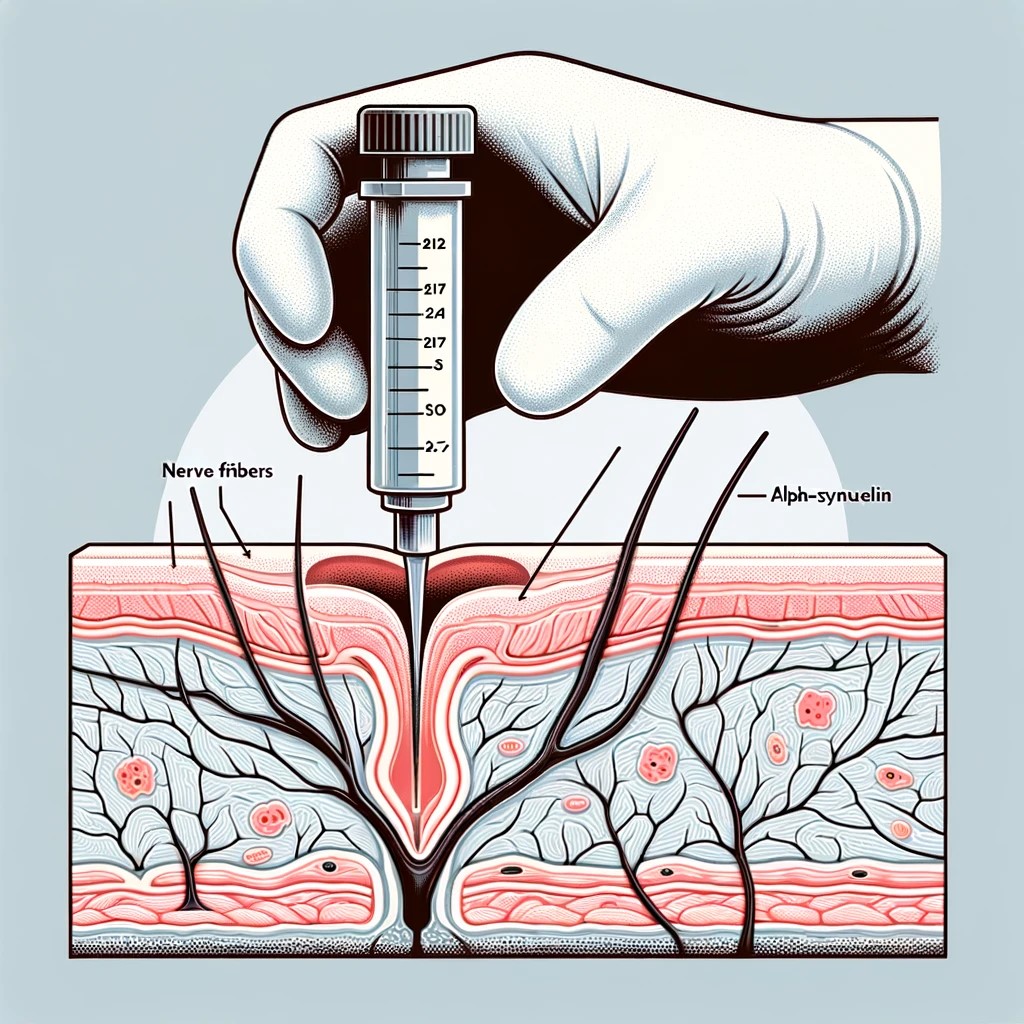
Detection of skin alpha-synuclein is a promising biomarker for diagnosing and monitoring synucleinopathies like Parkinson's disease, dementia with Lewy bodies, multiple system atrophy, and pure autonomic failure. This minimally invasive method offers high diagnostic sensitivity and distinguishes bet

Multiple System Atrophy (MSA) is a rare, fatal neurodegenerative disorder marked by -synuclein buildup, causing parkinsonism, cerebellar symptoms, and autonomic dysfunction. Diagnosis is challenging, but updated criteria and biomarker research aim to improve early detection.
The article highlights the critical role of testing for NMDAR antibodies in cerebrospinal fluid to confirm autoimmune psychosis in cases of first-episode psychosis, noting that while EEG or MRI may raise suspicion, CSF testing is the most reliable method.
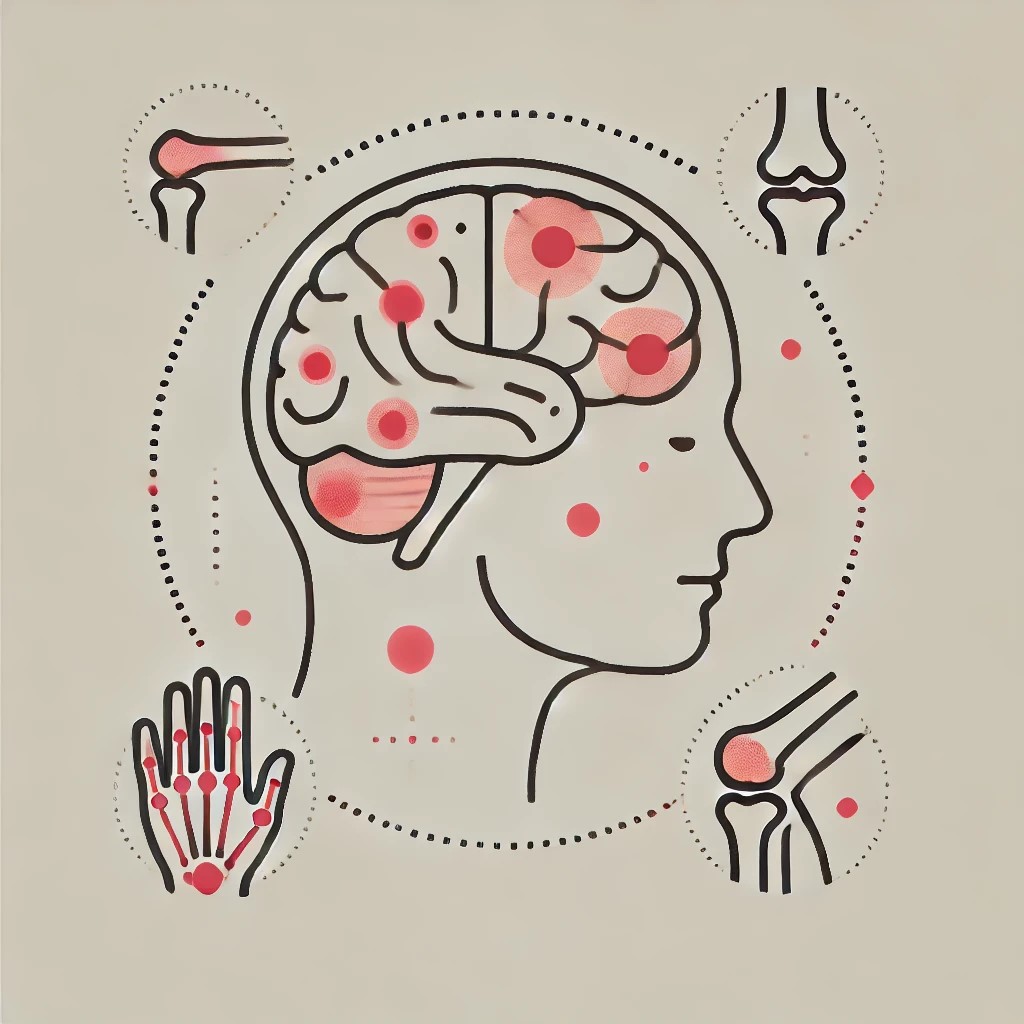
This review explores CNS complications in adults with autoimmune rheumatic diseases, such as SLE and vasculitis. It emphasizes the need for individualized, syndrome-specific diagnostic and treatment plans, utilizing advanced tools and immunosuppressive therapies to manage complex manifestations.

Cerebral amyloid angiopathy (CAA) involves beta-amyloid deposit in brain vessels, raising risks of hemorrhage and cognitive decline. While often sporadic and age-related, iatrogenic cases suggest potential transmissibility. A study hints at CAA's possible spread via blood transfusions, prompting further research into diagnostic methods and donor screening to address public health concerns.

The American Heart Association highlights the connection between cardiovascular health and cognitive function, noting that heart conditions can lead to cognitive decline. Early management and lifestyle interventions can reduce stroke risk and delay cognitive impairment, emphasizing prevention for brain health.
This study examines suvorexant's effects on Alzheimer's biomarkers, showing it reduces tau phosphorylation at T181 and lowers A levels in humans. It suggests suvorexant might act through orexin signaling pathways, indicating its potential as an AD prevention drug. Further research is needed to assess long-term impacts.
While biomarkers like a-synuclein are promising for PD, their use in AD for DBS is unexplored. Blood-based AD biomarkers show potential but need standardization and further research for DBS decision-making.

The study examines the impact of deprescribing antihypertensive medications on cognitive function in nursing home residents aged 65 and older. Results indicate that deprescribing is linked to a reduced risk of cognitive decline, especially in residents with dementia. The study highlights the need for individualized deprescribing approaches and further research to confirm benefits and address potential harms. It suggests deprescribing as a strategy to mitigate cognitive decline while emphasizing personalized treatment plans.

A study explored the link between mild closed-head impacts and chronic traumatic encephalopathy (CTE) using human and animal models. It found early CTE signs, like astrocytosis and tau protein buildup, can arise from such injuries. The study highlights the need for more research on CTE's long-term effects and treatments.

The RESTART trial, published in JAMA Neurology, studied antiplatelet therapy in intracerebral hemorrhage (ICH) survivors. Among 537 UK patients, 8.2% on therapy had ICH recurrence vs. 9.3% avoiding it. Major vascular events were 26.8% vs. 32.5%. The study supports antiplatelet safety but calls for further research on long-term effects and diverse subgroups.

The Treat Stroke to Target trial evaluated two LDL cholesterol targets for secondary prevention in patients with recent ischemic stroke or transient ischemic attack and atherosclerosis. Participants were randomly assigned to a lower LDL target group to assess the outcomes on stroke prevention.

The Lancet Commission's 2020 report highlights the rising prevalence of dementia. It identifies 12 modifiable risk factors, including alcohol, TBI, and air pollution, that could prevent 40% of cases. The report emphasizes lifelong prevention strategies, improved care, and the importance of addressing health disparities, especially in LMICs.

Autoimmune encephalitis (AIE) can mimic dementia syndromes, particularly in patients aged 45 or older. This study found that 38% of AIE cases resembled dementia, often with rapid cognitive decline. Key indicators for AIE include subtle seizures and atypical test results. Most patients improved with immunotherapy, highlighting the importance of accurate diagnosis.

The study by Haaksma et al. developed a tool to estimate three-year survival probabilities in dementia patients using Swedish data. Key factors include age, sex, comorbidities, and dementia subtype. The tool aids care planning with prediction tables and a color-coded format, with a concordance index of 0.70 to 0.72. Validation in other countries is suggested.

Taylor et al.'s review in *Lancet Neurology* discusses the challenges of managing Lewy body dementia (LBD), highlighting its diverse symptoms and fragmented care. Current treatments have limited efficacy. An interdisciplinary approach is recommended, and more research and global collaboration are needed to improve care.

The article challenges the traditional view of -synuclein phosphorylation at serine-129 (Ser129P) as a pathological marker, showing it regulates synaptic function by affecting neurotransmitter release and vesicle dynamics. Ser129P maintains synaptic homeostasis and could be a therapeutic target in synucleinopathies.

The Alzheimer's Association's updated criteria focus on biological markers such as amyloid-beta plaques and tau tangles for diagnosing Alzheimer's disease. It integrates these with new blood-based markers, using Core 1 biomarkers for diagnosis and Core 2 for staging, across four biological and six clinical stages.

The 2011 revised criteria for diagnosing behavioral variant frontotemporal dementia (bvFTD) aim to improve early and accurate diagnosis. Developed by the International bvFTD Criteria Consortium, they outline possible, probable, and definite bvFTD, focusing on behavioral patterns, functional decline, and neuroimaging.
A study in Acta Neuropathologica found that rare genetic variations in the FN1 gene may protect APOE4 carriers from Alzheimer's. The FN1 variant rs140926439 reduced risk and delayed onset. Zebrafish models showed improved responses, suggesting that targeting ECM processes could be therapeutic.

The article explores long-term proton pump inhibitor (PPI) use, noting risks like nutrient deficiencies, renal disease, infections, dementia, and cardiovascular issues. It emphasizes the need for further research and advises evaluating PPI necessity carefully, especially for high-risk groups, using the lowest effective dose.

The study of 448 participants found tau PET to be the most accurate standalone predictor for MCI progression to dementia, outperforming A PET and MRI. Tau PET combined with MRI gave the best risk prediction, especially in younger individuals and APOE4 non-carriers, highlighting tau PET's promise as a prognostic marker.

The study highlights collagen VI's vital role in safeguarding the central nervous system against neurodegeneration in aging. A collagen VI null mouse model showed that its deficiency causes increased neuronal apoptosis, disrupted autophagy, and oxidative stress.

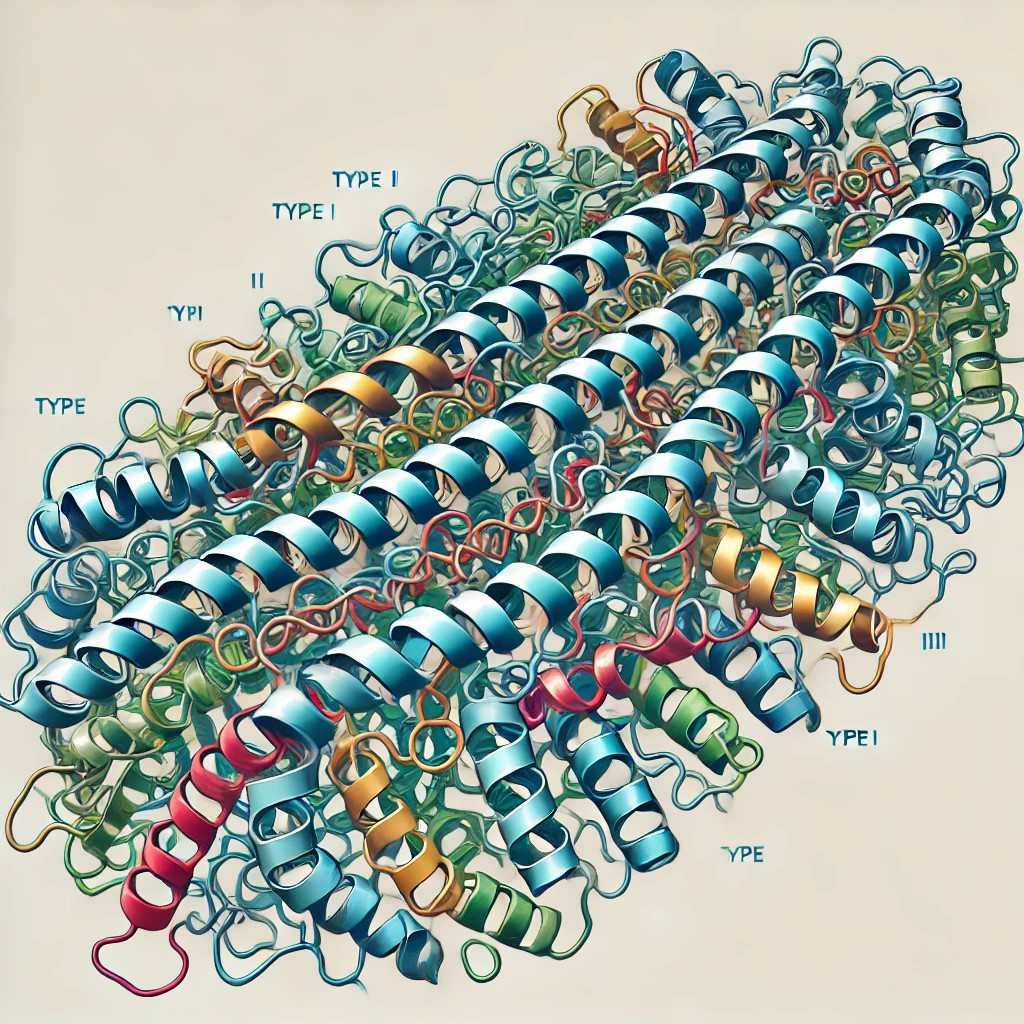
This review examines the structure, distribution, and functions of Collagen VI (Col VI), a key extracellular matrix protein, in the central and peripheral nervous systems. It also explores Col VI's associations with neurological diseases. Traditionally, Col VI is recognized for its role in supportin

The Alzheimer's Association Workgroup's revised criteria emphasize a biological approach, focusing on neuropathologic changes for diagnosis. It introduces a four-stage model (Stages A-D) using biomarkers like amyloid PET for early detection. The criteria support clinical evaluations and highlight the need for diverse research cohorts.

This study presents direct human neuropathological evidence that oligomeric tau accumulates at synapses in Alzheimer's disease, supporting a trans-synaptic model of tau propagation. Researchers employed high-resolution array tomography and immunoelectron microscopy on postmortem human cortex samples
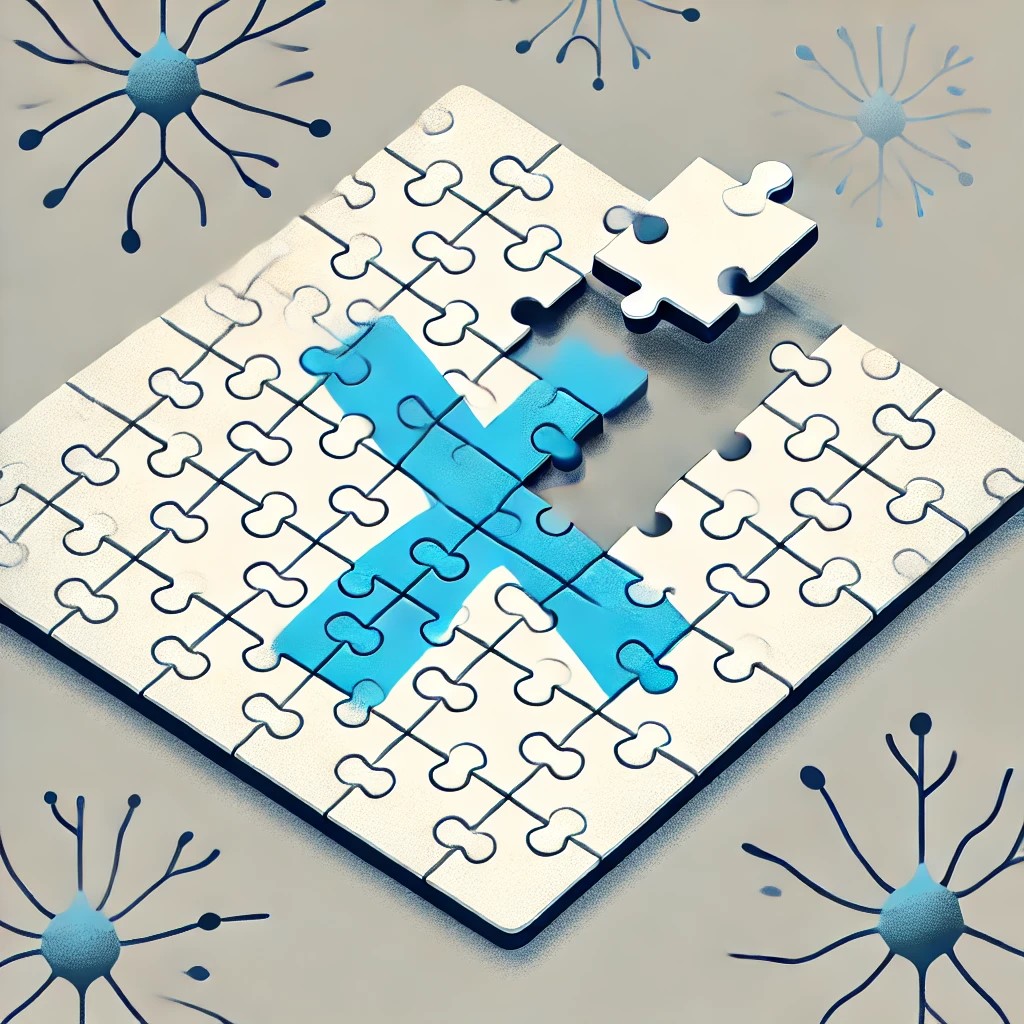
This study enhances comprehension of the X chromosome's influence in Alzheimer's disease by identifying new risk loci and highlighting the importance of sex differences in genetic research. It paves the way for future exploration of X-linked genetic variations and their effects on Alzheimer's pathol
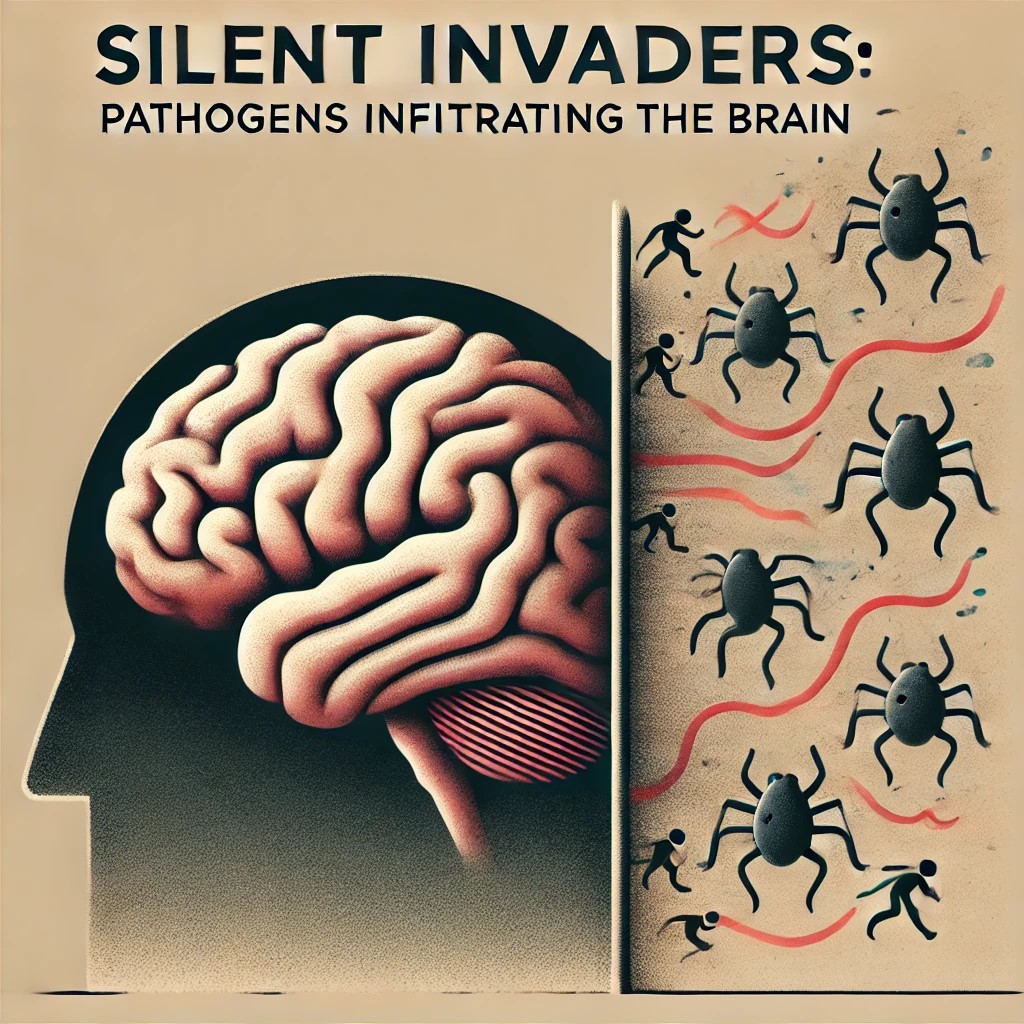
The review identifies overlapping biological mechanisms where infections intersect with Alzheimer's disease pathology. Chronic neuroinflammation, driven by persistent microbes or latent infections, can maintain microglial activation and pro-inflammatory cytokine production, such as IL-1beta and TNF-
Alzheimer's disease, the leading cause of dementia worldwide, results in progressive cognitive decline characterized by amyloid-beta plaques, neurofibrillary tangles, synaptic dysfunction, and neuroinflammation. Despite significant research efforts and investment, effective treatments have yet to be
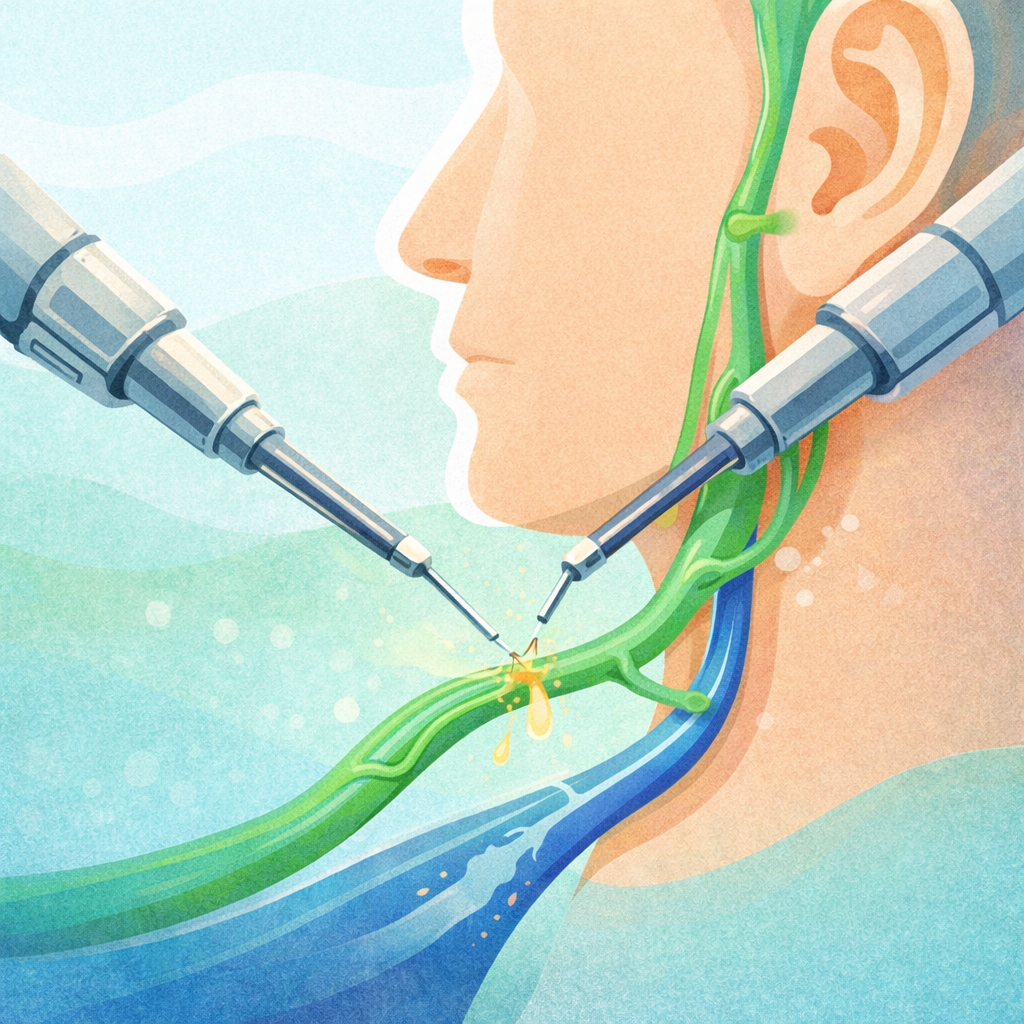
Alzheimer's disease treatments are evolving beyond their traditional focus on protein-centric strategies, such as reducing amyloid production and interfering with tau aggregation. The latest experimental approaches are exploring novel pathways to address the disease's complex pathology.
When asked if levetiracetam (Keppra) aids Alzheimer's, the inquiry is seldom about its role as a broad cognitive enhancer in dementia. It is even less about whether it is an FDA-approved disease-modifying therapy.
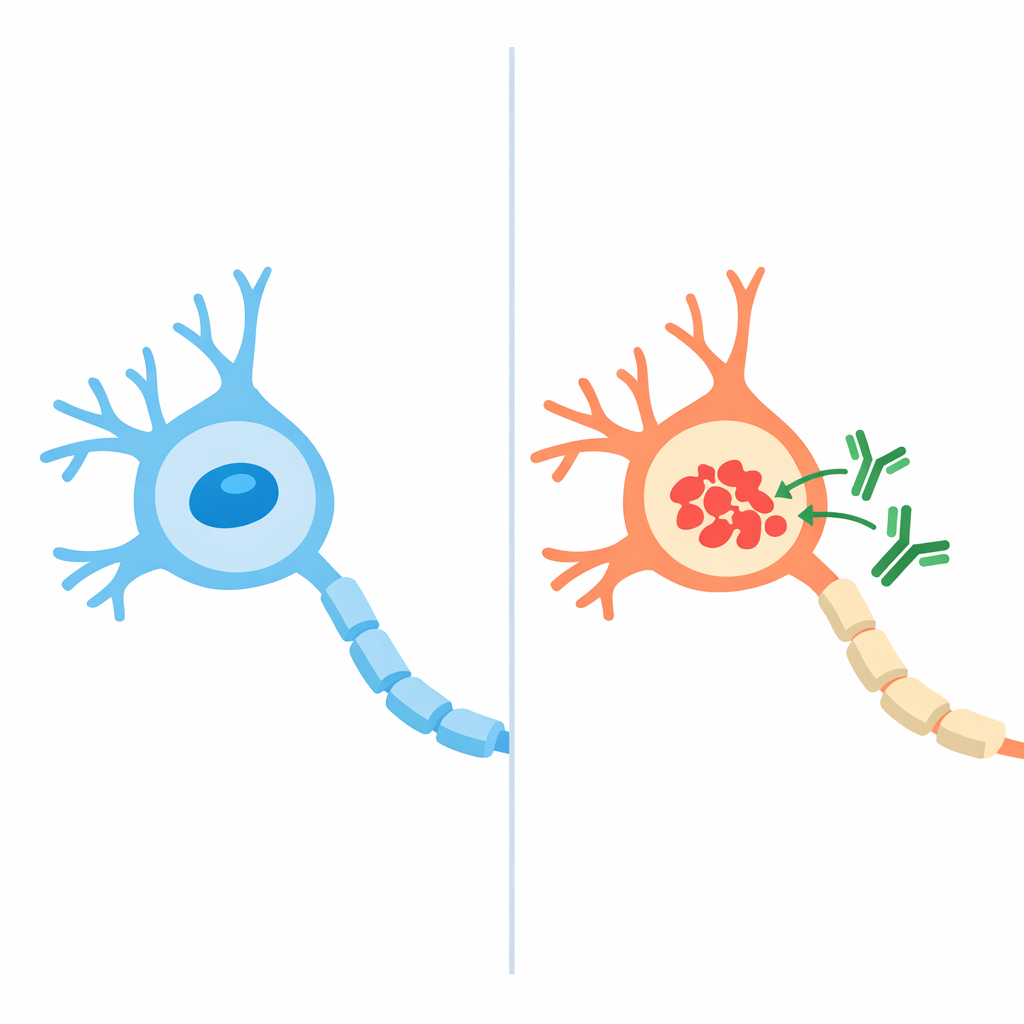
VTx-002, developed by VectorY Therapeutics, is a pioneering AAV-delivered vectorized antibody for amyotrophic lateral sclerosis (ALS). It targets and neutralizes the pathological TDP-43 protein, a key feature in about 97% of ALS cases, aiming to provide sustained therapeutic effects.
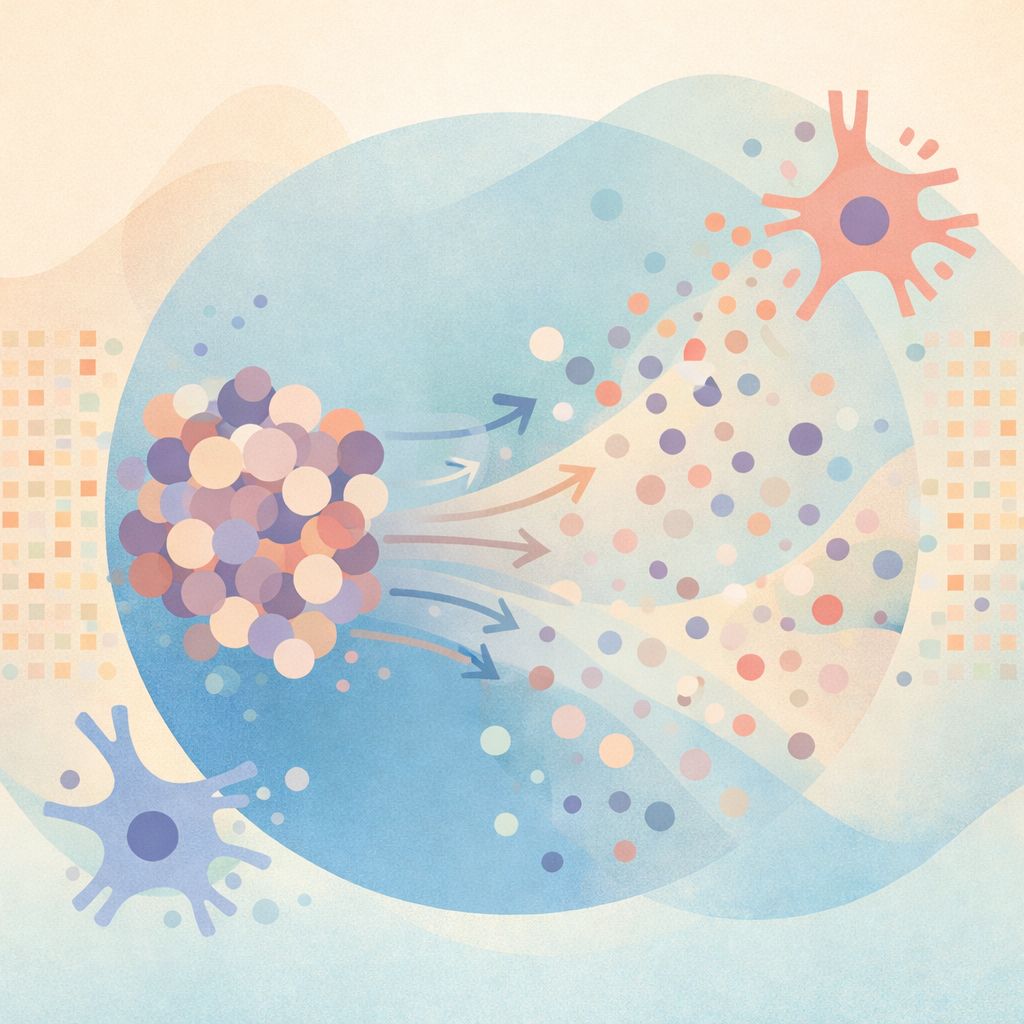
TB006 is a humanized IgG4 monoclonal antibody developed by TrueBinding, Inc. to treat Alzheimer's disease. Unlike traditional approaches, TB006 neutralizes galectin-3, a lectin increasingly associated with disease progression, rather than targeting fibrillar amyloid directly.
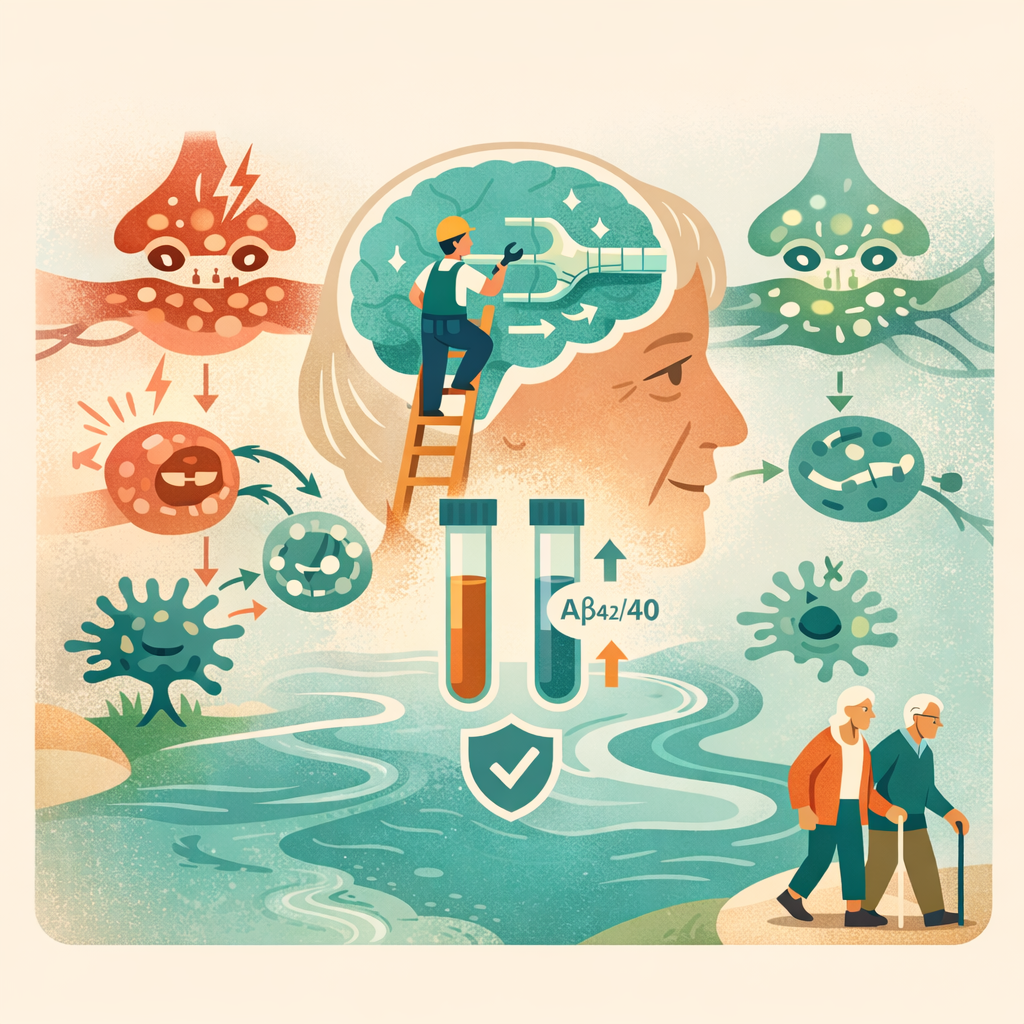
Neflamapimod (VX-745) is an oral small-molecule inhibitor of p38alpha MAP kinase, developed by CervoMed Inc. It targets neurodegenerative disorders marked by synaptic dysfunction and neuroinflammation, distinguishing itself from amyloid- or tau-directed approaches.
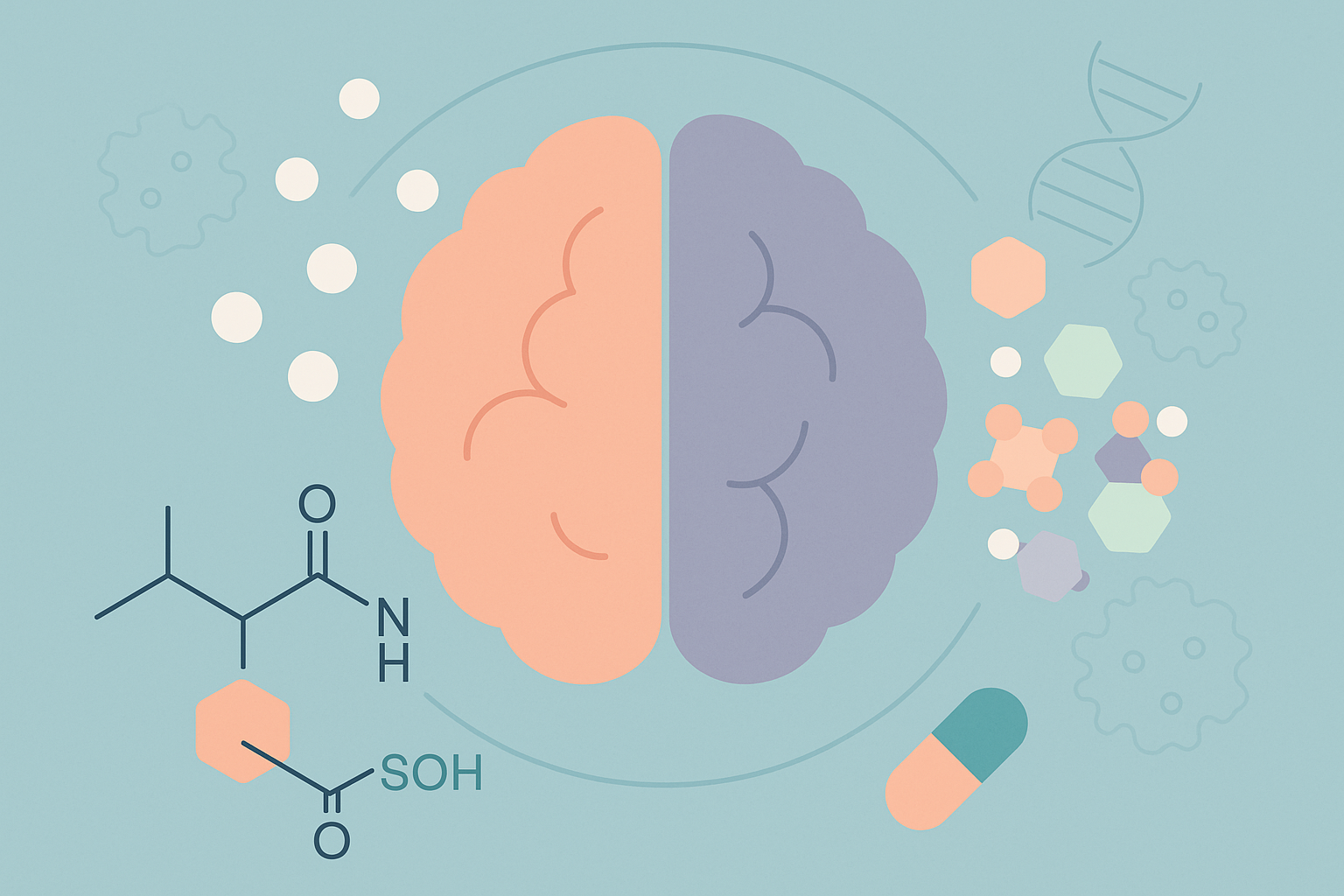
Valiltramiprosate (ALZ-801) is a new treatment designed to modify toxic soluble amyloid species, targeting Alzheimer's disease progression. Unlike monoclonal antibodies that focus on fibrillar plaques, ALZ-801 provides a unique approach by potentially altering the disease's clinical course.
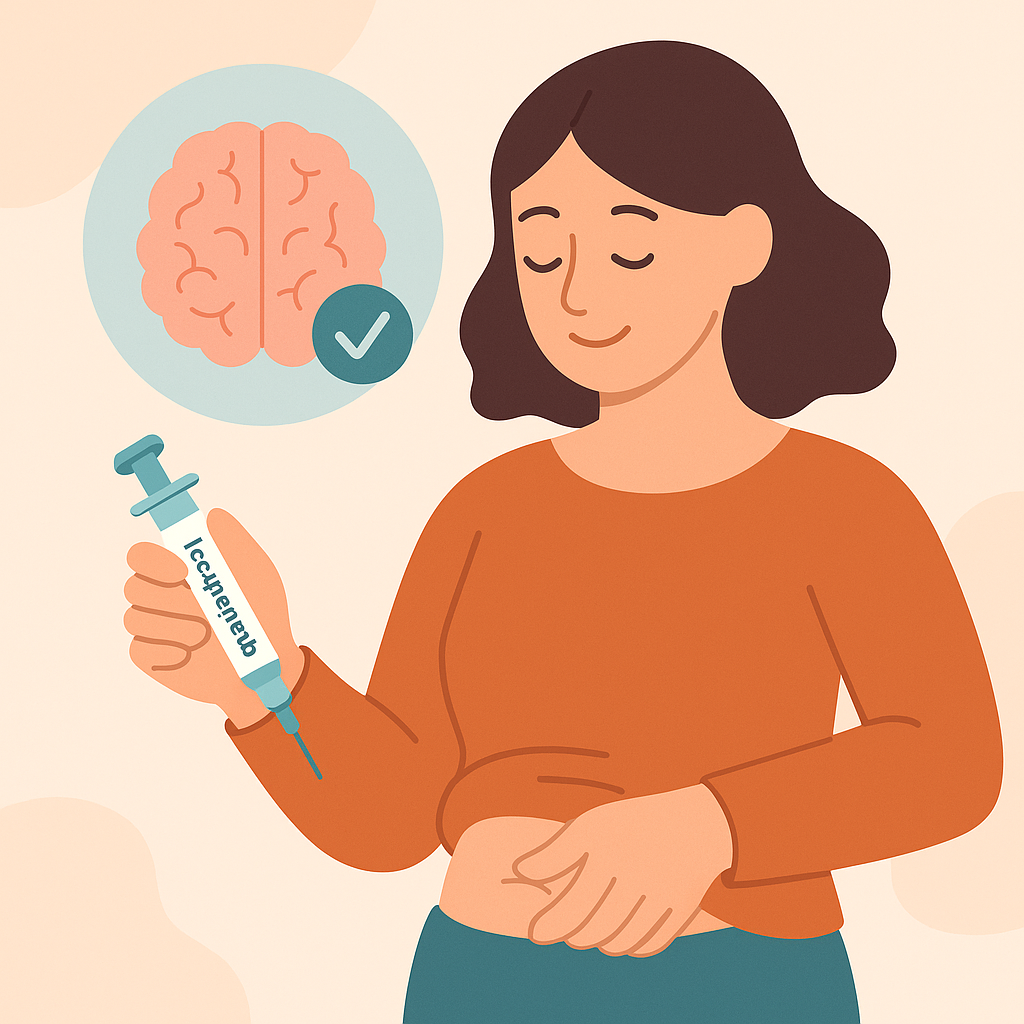
A New Way Forward: The Subcutaneous Version of Lecanemab (LEQEMBI) By James F. Rini, MDThe treatment landscape for early Alzheimer's disease is changing rapidly. We are advancing from symptom management to therapies that target the disease itself. Lecanemab, now available in a subcutaneous form,
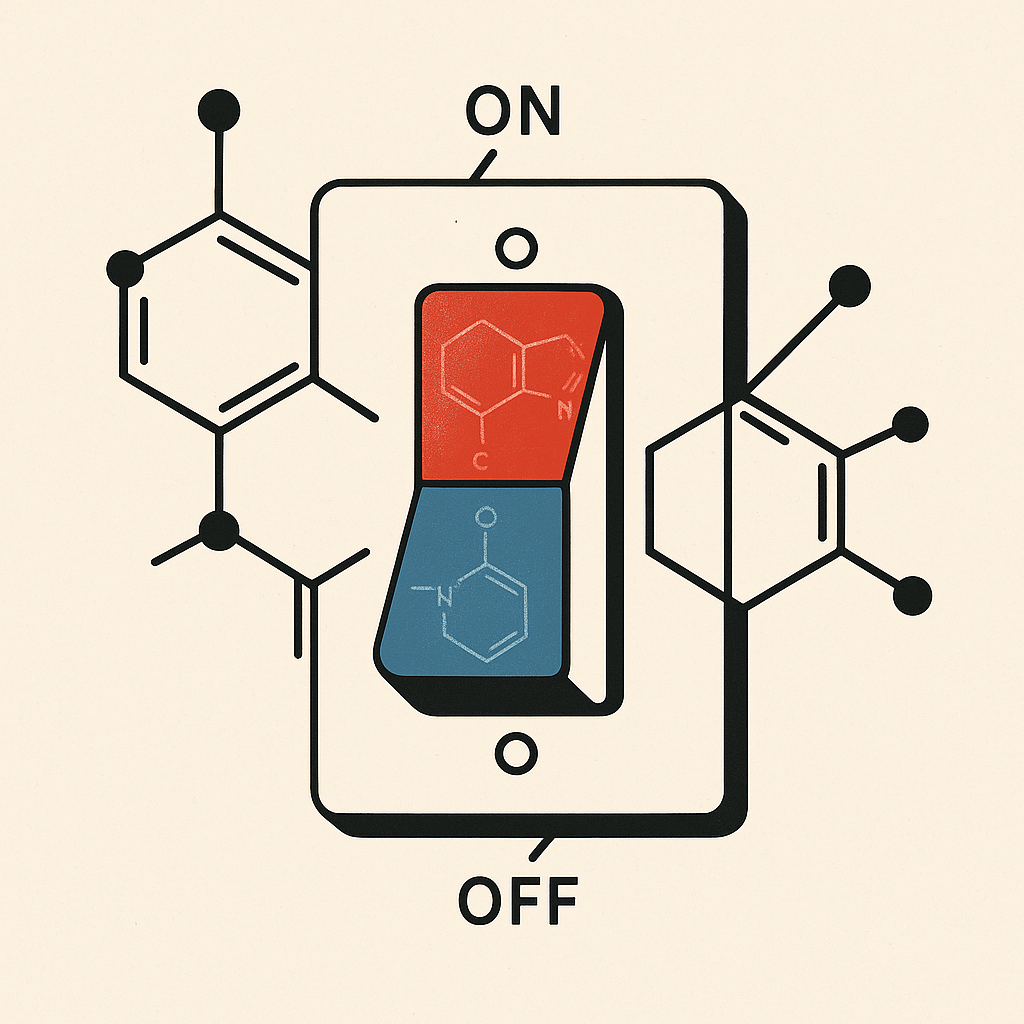
Saracatinib (AZD0530) started as an ATP-competitive tyrosine kinase inhibitor targeting Src family and Abl kinases to disrupt pathological signaling. Initially developed for oncology, it has shown potential as a neurotherapeutic, repurposing itself from a failed cancer treatment to a promising neuro
The therapeutic landscape of Alzheimer's disease is undergoing a significant transformation. Previously dominated by modest advances in symptomatic management, the field is now seeing the emergence of promising treatments like Blarcamesine, which may offer new hope for disease modification.

Remternetug (LY3372993) represents a new advancement in Alzheimer's treatment as a next-generation pyroglutamate-A monoclonal antibody. Over the past five years, amyloid-modifying mAbs have significantly transformed the therapeutic landscape, positioning remternetug as a promising development in th

Alzheimer's disease presents a significant challenge in neurology, with existing therapies providing limited benefits and potential risks, such as amyloid-related imaging abnormalities (ARIA). Emerging device-based neuromodulation offers a promising, non-pharmaceutical approach to treatment.
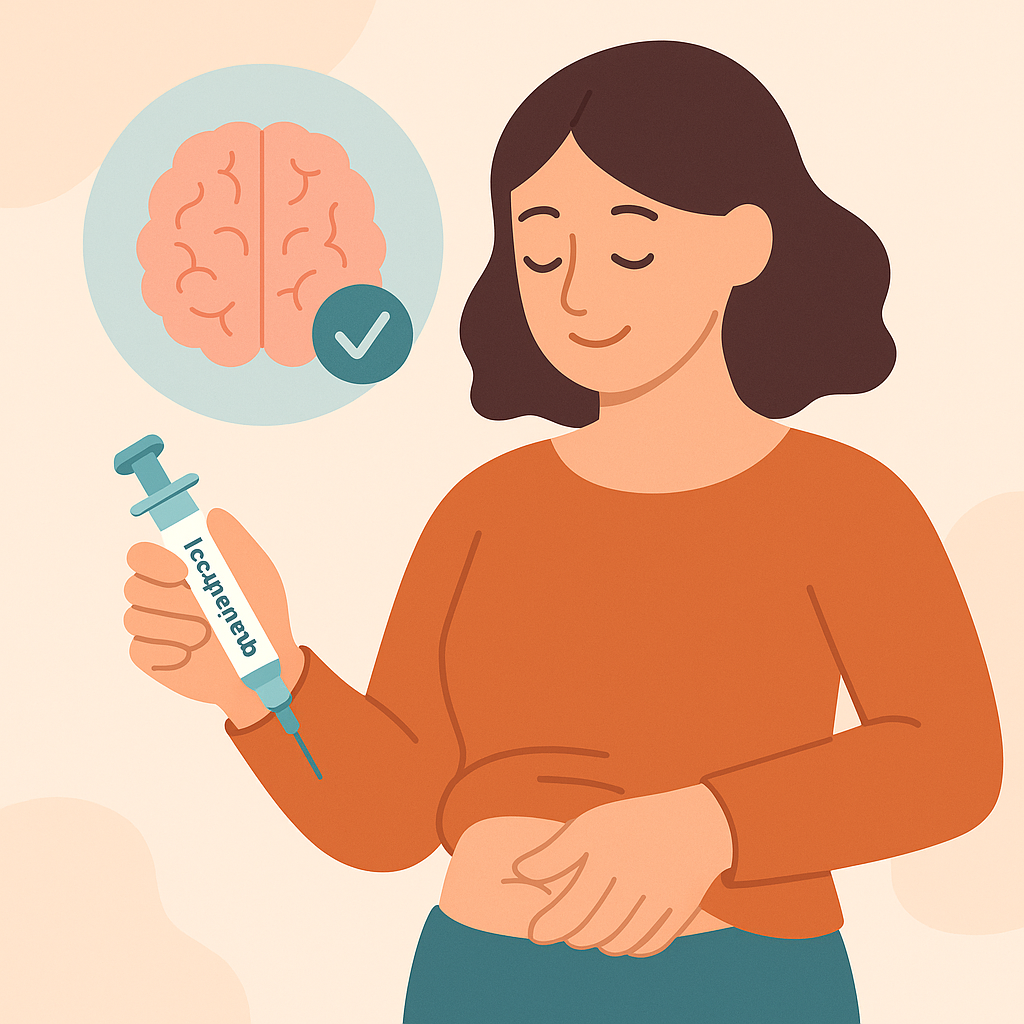
The treatment landscape for early Alzheimer's disease is advancing with new therapies targeting amyloid-beta. Lecanemab (LEQEMBI), a humanized IgG1 monoclonal antibody, is approved for patients with mild cognitive impairment or mild dementia, representing a significant advancement in Alzheimer's dis
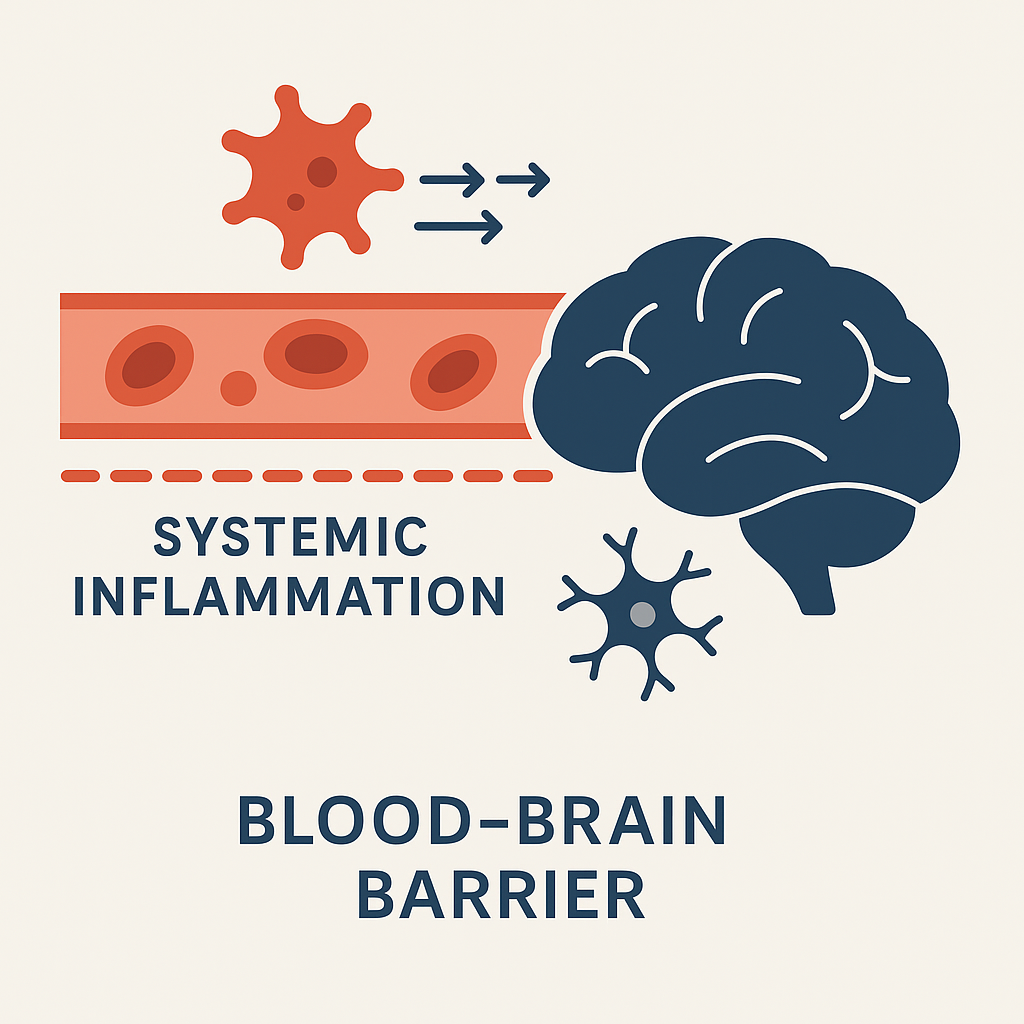
Chronic systemic inflammation is linked to Alzheimer's disease, with TNF inhibitors, hydroxychloroquine, and JAK inhibitors showing promise for prevention. While TNF inhibitors reduce dementia risk in RA patients, hydroxychloroquine may prevent, not treat, AD. JAK inhibitors offer potential with better CNS penetration. Future research should focus on early intervention and biomarker-stratified trials.

In Alzheimer's models driven by amyloid- and tau, astrocytic IDO1 activation impairs neuron support by disrupting glycolysis and lactate production through kynurenineAhR signaling. Inhibiting IDO1 (via PF06840003 or genetic methods) restores metabolism, synaptic function, and memory without altering amyloid/tau levels, offering a novel treatment strategy.

Alzheimer's disease poses a global challenge, expected to impact 153 million people by 2050. Current treatments are symptomatic. While new monoclonal antibodies provide limited advantages and risks, promising therapies like ladostigil focus on inflammation and stress, highlighting early intervention

Prasinezumab is an investigational monoclonal antibody targeting aggregated -synuclein in Parkinson's disease (PD). It aims to reduce neuronal toxicity and slow disease progression. Trials show it crosses the blood-brain barrier and may slow motor symptom progression, especially in rapidly advancing PD, though primary endpoints were unmet. It's generally well-tolerated, and ongoing studies aim to further assess its efficacy.

Photobiomodulation (PBM) uses red or near-infrared light to boost cellular activity and mitochondrial function, potentially benefiting Alzheimer's disease by reducing beta-amyloid plaques and improving cognition. Although preclinical studies are promising, more extensive human trials are needed to confirm its efficacy.

Nilotinib, a leukemia drug, initially showed promise for Parkinson's by inhibiting c-Abl protein and affected cerebrospinal fluid biomarkers. However, larger trials showed no symptomatic improvement and poor brain penetration, necessitating further research on its biomarker effects and alternative strategies.
The AHEAD 3-45 Study investigates early intervention with lecanemab to slow Alzheimer's progression during its preclinical phase. It includes two trials, A3 and A45, targeting cognitively unimpaired individuals with varying amyloid levels. Innovative recruitment using biomarkers aims to improve efficiency. Lecanemab targets aggregated amyloid beta, potentially preventing Alzheimer's. The study's comprehensive design could shift Alzheimer's management by emphasizing early intervention.

The study by Minhas et al. proposes targeting astrocytic metabolism via IDO1 inhibition as an Alzheimer's therapy, shifting focus from amyloid-beta and tau to glial metabolism. It shows promise in restoring glucose metabolism and memory, but relies on animal models and lacks long-term human effects. It opens new avenues for metabolic interventions in AD.
A multicenter, double-blind, placebo-controlled phase 3 trial assessed if ultrahigh-dose methylcobalamin (50 mg intramuscularly twice weekly) can slow clinical progression in early-stage amyotrophic lateral sclerosis (ALS) patients with a moderate progression rate.
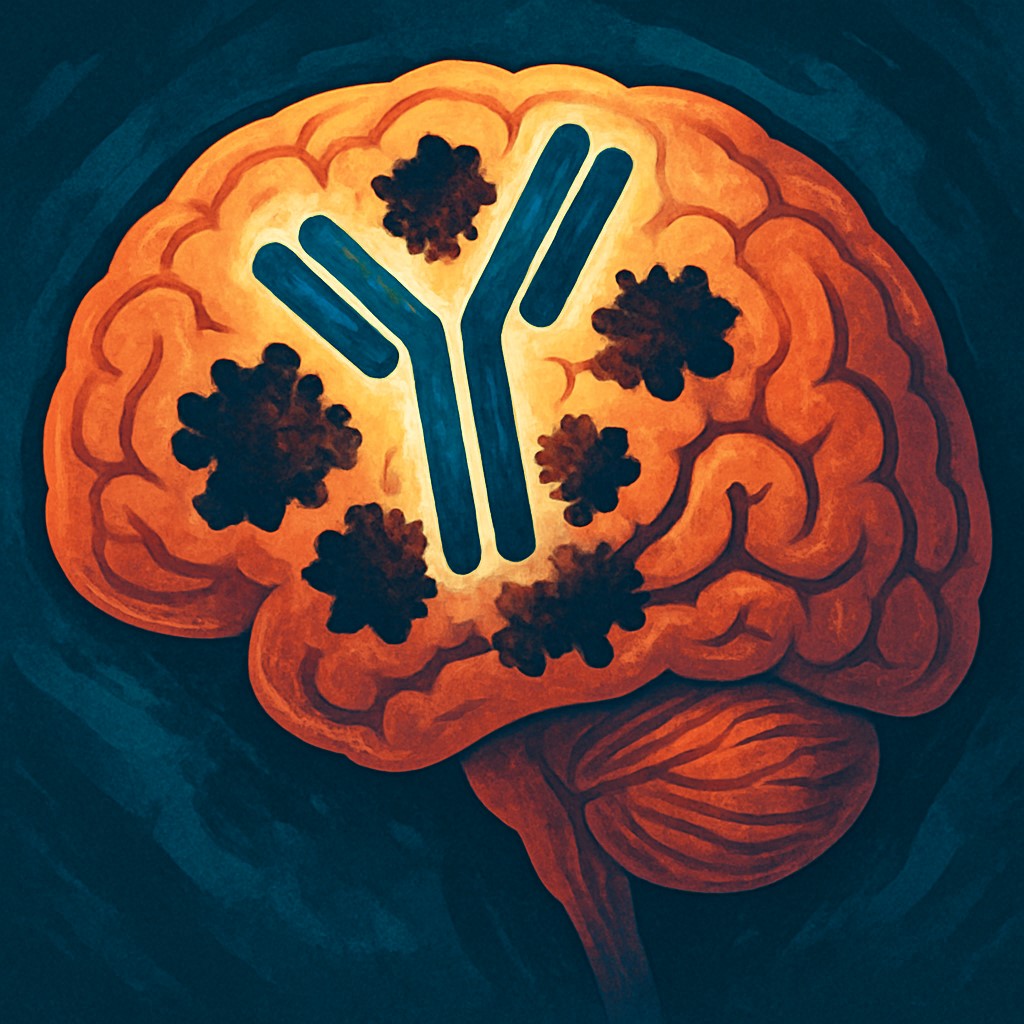
The TRAILBLAZER-ALZ 2 study, published in *JAMA*, reveals that donanemab, a monoclonal antibody, slows cognitive decline by 35.1% in early Alzheimer's patients with low to medium tau levels and clears amyloid significantly. However, it presents safety risks, including ARIA and infusion reactions.
The shift in Alzheimer's treatment emphasizes disease-modifying therapies, notably the FDA-approved lecanemab. It targets amyloid plaques and may slow progression by 30% if initiated early. With manageable side effects, lecanemab offers a promising option for early intervention, based on personal ri
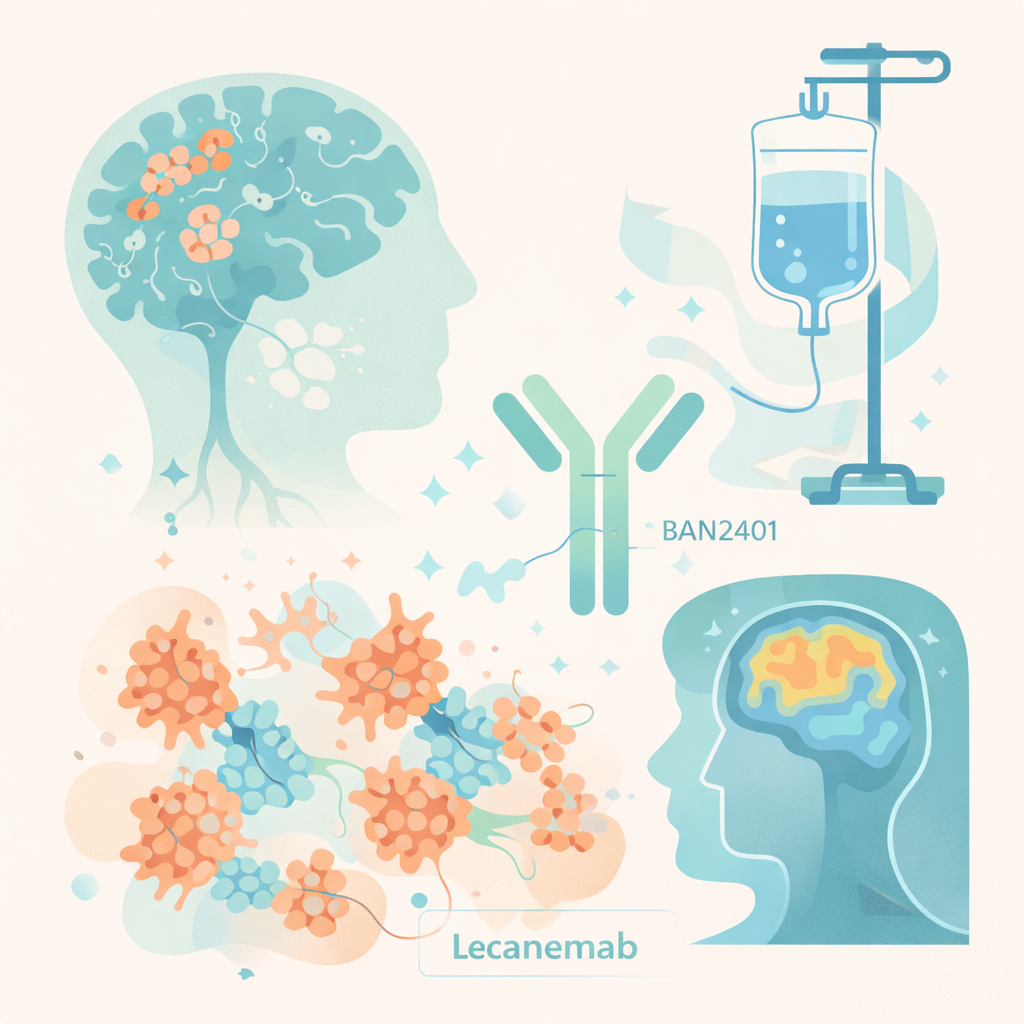
Alzheimer's disease has few treatments to slow its progression. Lecanemab (BAN2401), a humanized IgG1 monoclonal antibody, targets soluble amyloid-beta protofibrils. These toxic oligomers are believed to contribute to plaque formation and neurotoxicity.

The startle reflex and its defensive motor circuits are among the most conserved elements in the vertebrate nervous system. From lampreys to humans, this reflex allows for the immediate interruption of behavior, body stiffening, and preparation for escape or confrontation.

Since 1942, the Evans Index (EI) has been a reliable radiological tool for assessing ventricular size. It calculates the ratio of the maximum width of the frontal horns to the skull's internal diameter, with a value of 0.3 or greater traditionally indicating ventriculomegaly.

Neurology often classifies disorders by loss, such as agnosia, where patients perceive but do not recognize, and apraxia, where they have strength but lack skill. These concepts were first described by early neurologists like Liss.
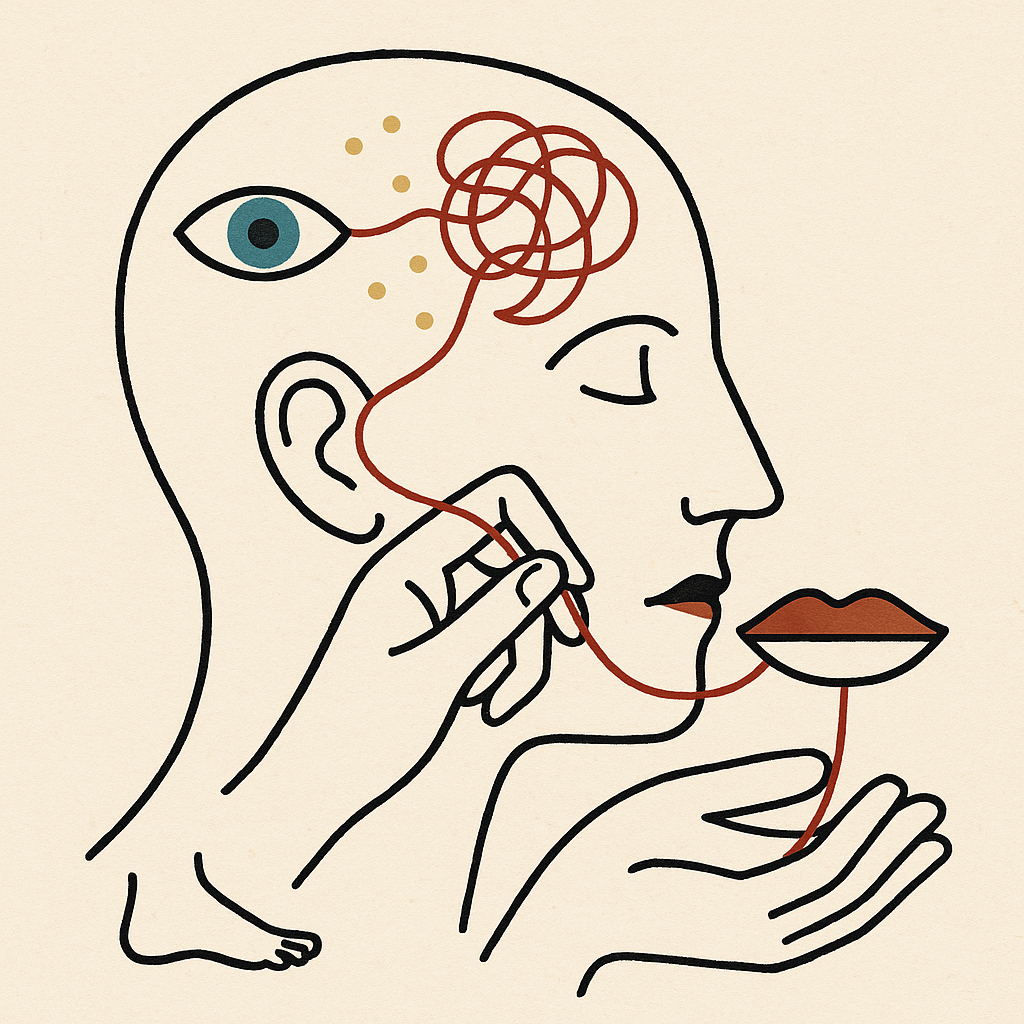
Apraxia, a disorder affecting skilled actions despite intact strength, sensation, and comprehension, was categorized by Liepmann into ideomotor, ideational, and limb-kinetic subtypes. Modern research utilizes lesion-symptom mapping and network neuroscience to further understand these classifications

Many clinical syndromes of cortical neurodegeneration can be modeled as combinations of agnosias and apraxias, affecting sensory, motor, and social-executive domains. This study explores the etymology and early neurological understanding of these terms.

Cortico-striato-thalamo-cortical (CSTC) loops translate possibilities into policies through a parallel, partially segregated architecture connecting the cortex, basal ganglia, and thalamus, utilizing a compact circuit grammar comprising direct, indirect, and hyperdirect pathways.
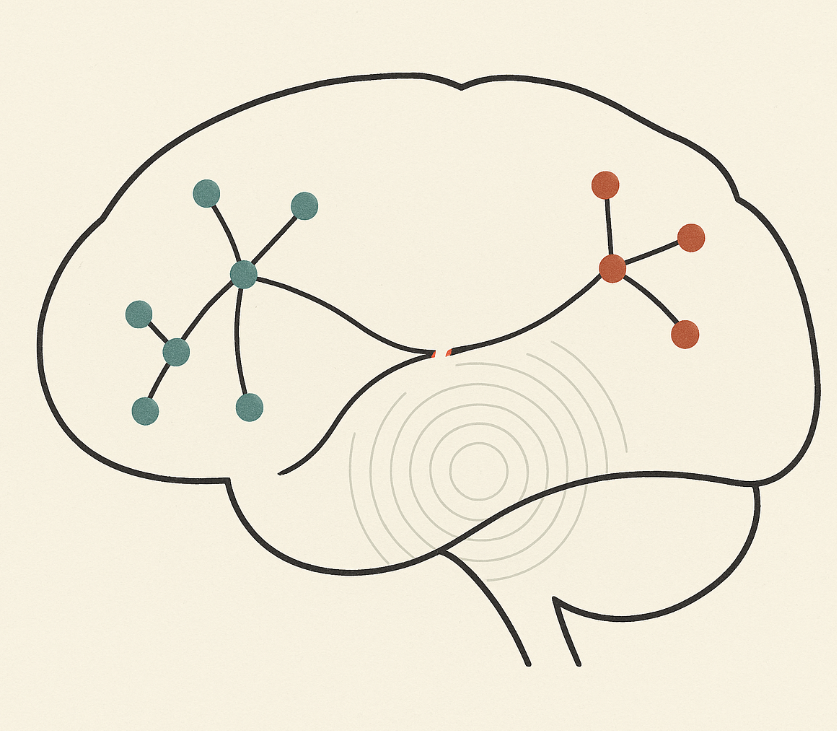
Recent advancements in lesion studies, fMRI, and white-matter neuroanatomy have shifted the understanding of clinical phenomena from focal lesions to failures in large-scale network function, challenging classical clinico-anatomical correlation models.

The cortical homunculus, originating from Penfield and Boldreys 1937 maps, illustrates the brain's allocation of territory based on behavioral importance, highlighting the disproportionate representation of functionally critical body parts.
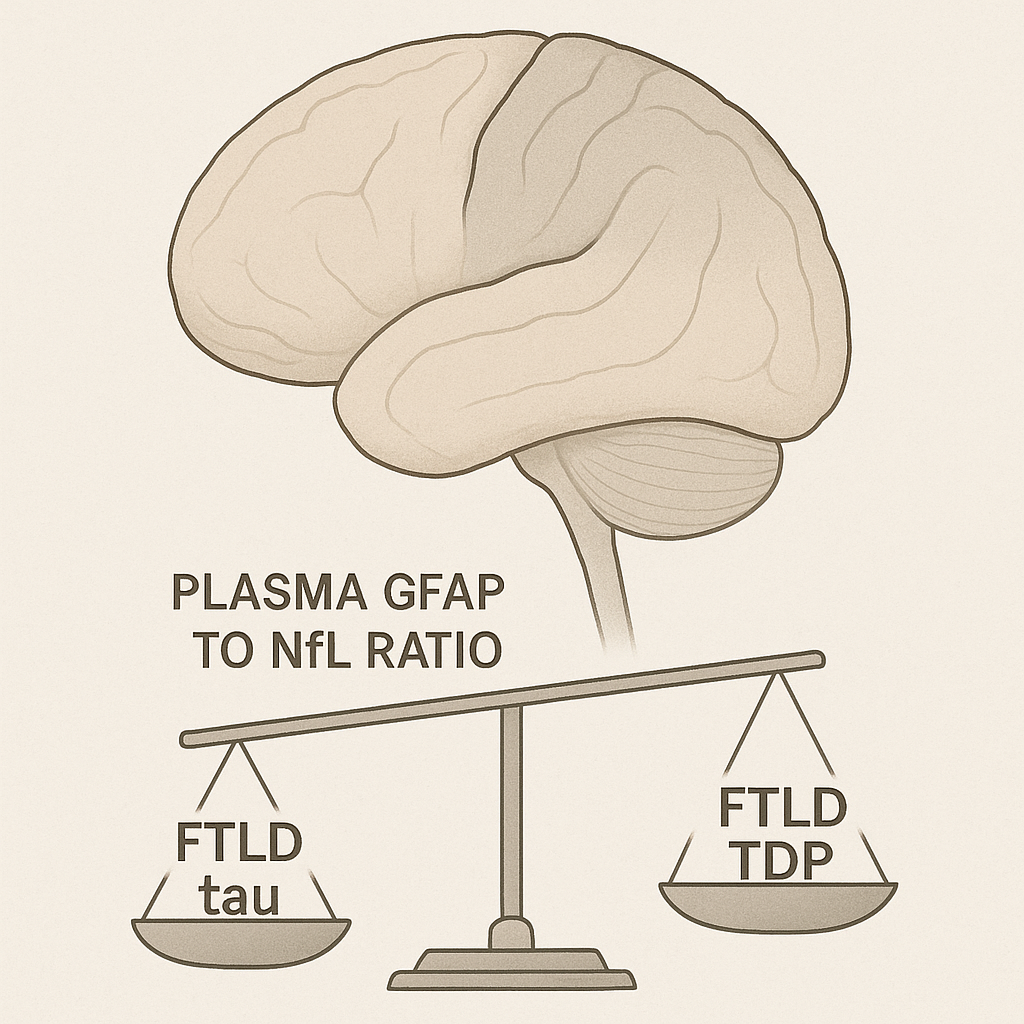
The plasma GFAP to NfL ratio is a promising biomarker for distinguishing FTLD tau from FTLD TDP in living patients. It demonstrates high diagnostic accuracy across clinical phenotypes, aiding in patient selection for clinical trials. Further studies are needed to validate its broader application.

This guide provides a framework for managing neurocognitive disorders, emphasizing compassionate, coordinated care. It covers diagnosis understanding, treatment options, lifestyle adjustments, and advanced care planning. It highlights the importance of support systems, communication, care coordination, and ongoing plan adjustments to ensure patients and families are supported throughout the illness.

The "Cognitive Management Quick Guide" provides an overview of medications used for cognitive enhancement in neurodegenerative disorders. It details starting doses, titration, benefits, side effects, and prescribing tips. It covers cholinesterase inhibitors, NMDA receptor antagonists, wakefulness enhancers, neuroprotective agents, and natural adjuncts, emphasizing gradual dose increases and monitoring for efficacy and side effects, alongside non-pharmacologic strategies.

Managing behavioral and emotional symptoms in neurocognitive disorders is crucial for patient care. Common issues like depression, anxiety, and agitation require a careful pharmacologic approach, often using SSRIs, NMDA antagonists, and anticonvulsants. Key principles include starting low, going slow, and prioritizing non-pharmacologic strategies.
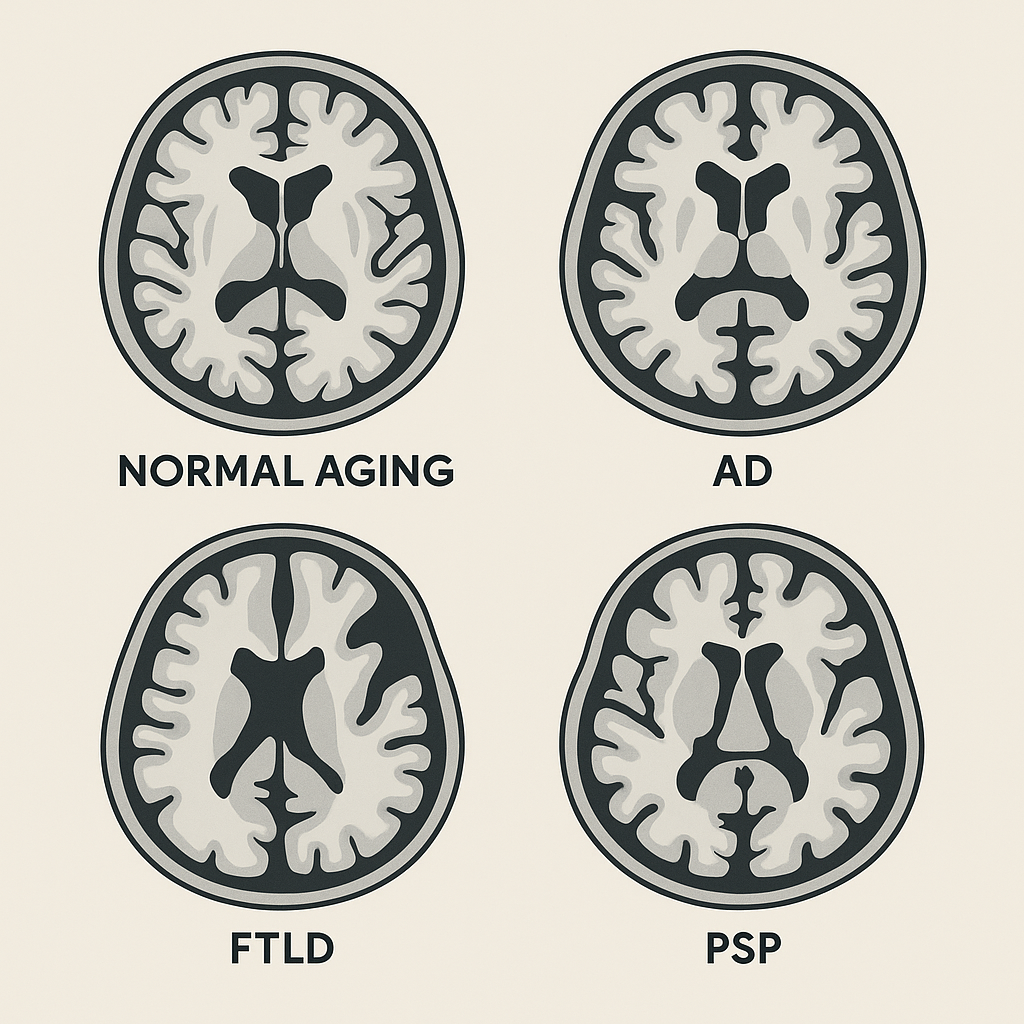
Clinicians should systematically assess brain MRIs when suspecting neurodegenerative diseases by excluding treatable causes, identifying dementia-specific atrophy patterns, and utilizing scales like MTA and GCA. MRI results, alongside clinical context and advanced imaging, aid in diagnosis.

Amyloid PET imaging is essential in diagnosing Alzheimer's disease by visualizing beta-amyloid plaques. FDA-approved tracers Amyvid and Vizamyl originate from research on the Pittsburgh Compound B. Amyvid offers rapid diagnoses, while Vizamyl's quantification supports therapy monitoring. Both are sa

Perceptual-motor dysfunction is a cognitive issue where sensory input fails to integrate with motor output, disrupting motor learning and action. It includes apraxias, agnosias, hemineglect, and Balint Syndrome, arising from cortical and subcortical disconnections. Rehabilitation should be adaptive and multisensory.
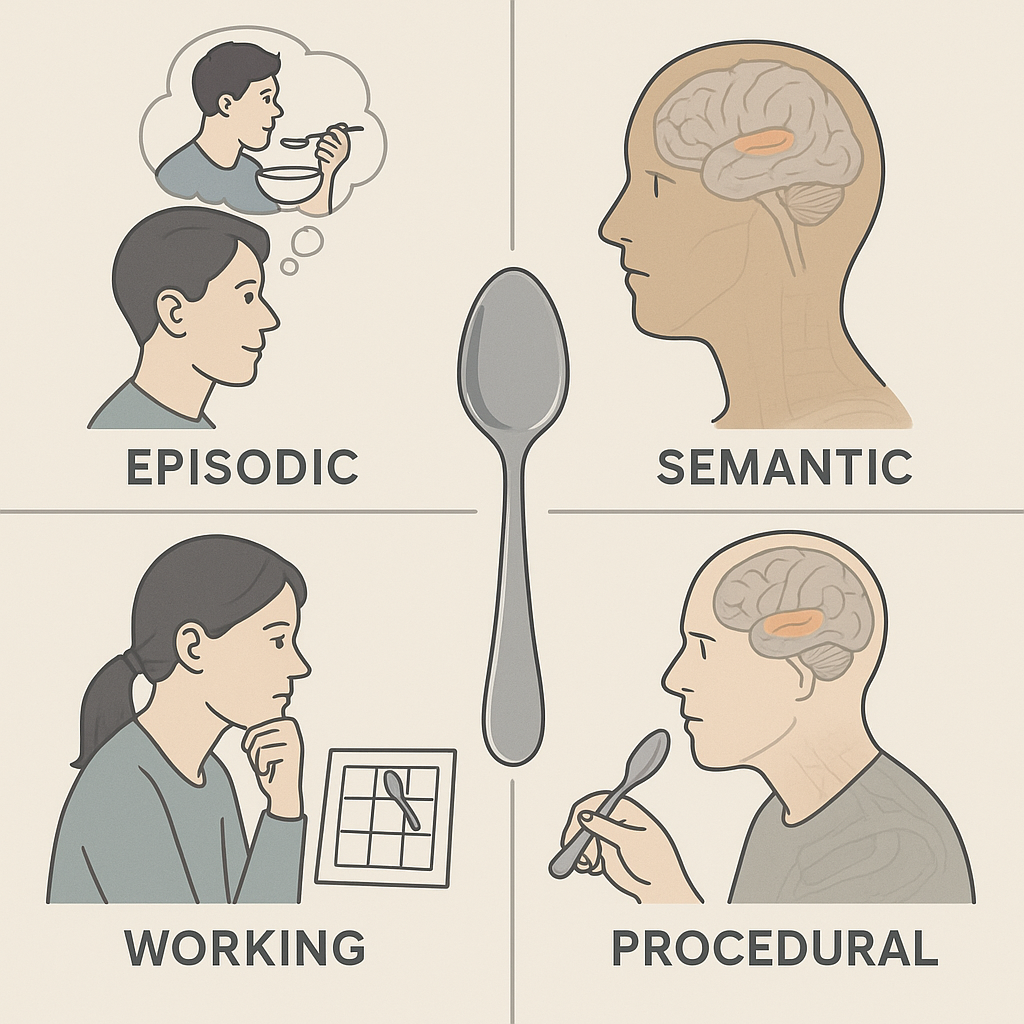
Human memory includes episodic, semantic, working, and procedural systems, each associated with specific brain regions. These systems, crucial for processing information, can be explicit or implicit. Memory dysfunction in aging and diseases highlights the importance of early diagnosis and treatment through cognitive testing, imaging, and strategies.

Language, processed mainly in the left brain, can be impaired by aphasia due to brain dysfunction from strokes, diseases, or disorders. Key areas include Broca's and Wernicke's regions. Recovery varies with injury severity and neuroplasticity, requiring early diagnosis and rehabilitation.

Executive functions are high-level cognitive processes involved in goal-directed behavior and problem-solving. Core components include working memory, inhibition, set shifting, and fluency, each linked to specific brain regions. Deficits, common in various diseases, can impair daily functioning. Assessment tools like MoCA are used for screening. Management includes treating underlying causes, cognitive rehabilitation, and experimental therapies. Executive dysfunction is not tied to a specific disease but is often modifiable.

This document is a guide for neurology residents and APPs on neurobehavioral assessment, emphasizing a history-centered approach to diagnosing cognitive-behavioral syndromes. It highlights the importance of clinical history in diagnosing disorders like Alzheimer's and TBI, and covers cognitive, functional, and neuropsychiatric assessments. Key tools include AD8, MMSE, MoCA, and FAQ. Clinical insights stress establishing baseline function, recognizing discrepancies in patient vs. informant reports, and using appropriate cognitive tests for specific conditions.

Mucuna pruriens, a tropical legume high in levodopa, is a promising alternative for Parkinson's treatment. It has a faster onset and longer motor benefits with less dyskinesia compared to synthetic levodopa. While clinical trials show its efficacy and safety, concerns about long-term tolerability persist.
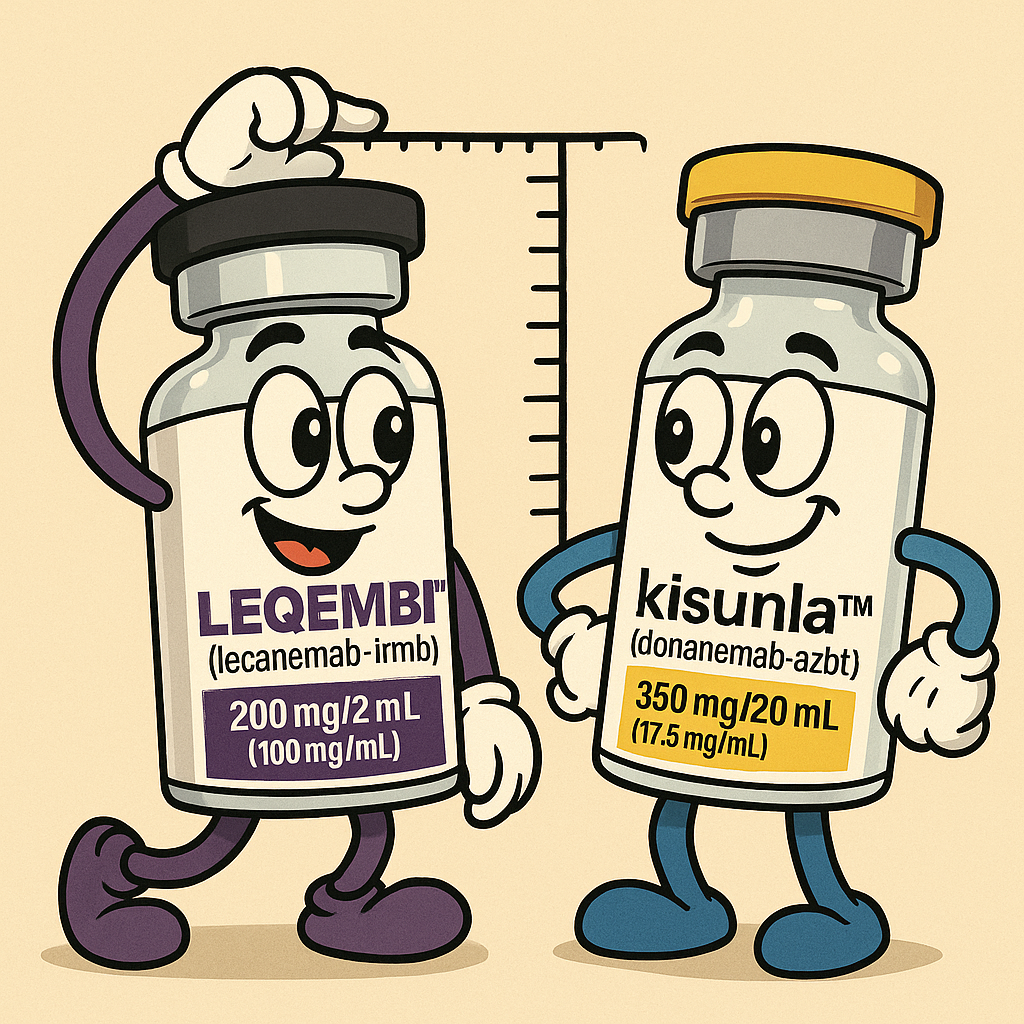
The FDA has approved Lecanemab (Leqembi) and Donanemab (Kisunla), marking progress in disease-modifying Alzheimer's treatments. Lecanemab targets soluble A protofibrils, while Donanemab focuses on deposited plaques. Both slow clinical decline, though they differ in efficacy.
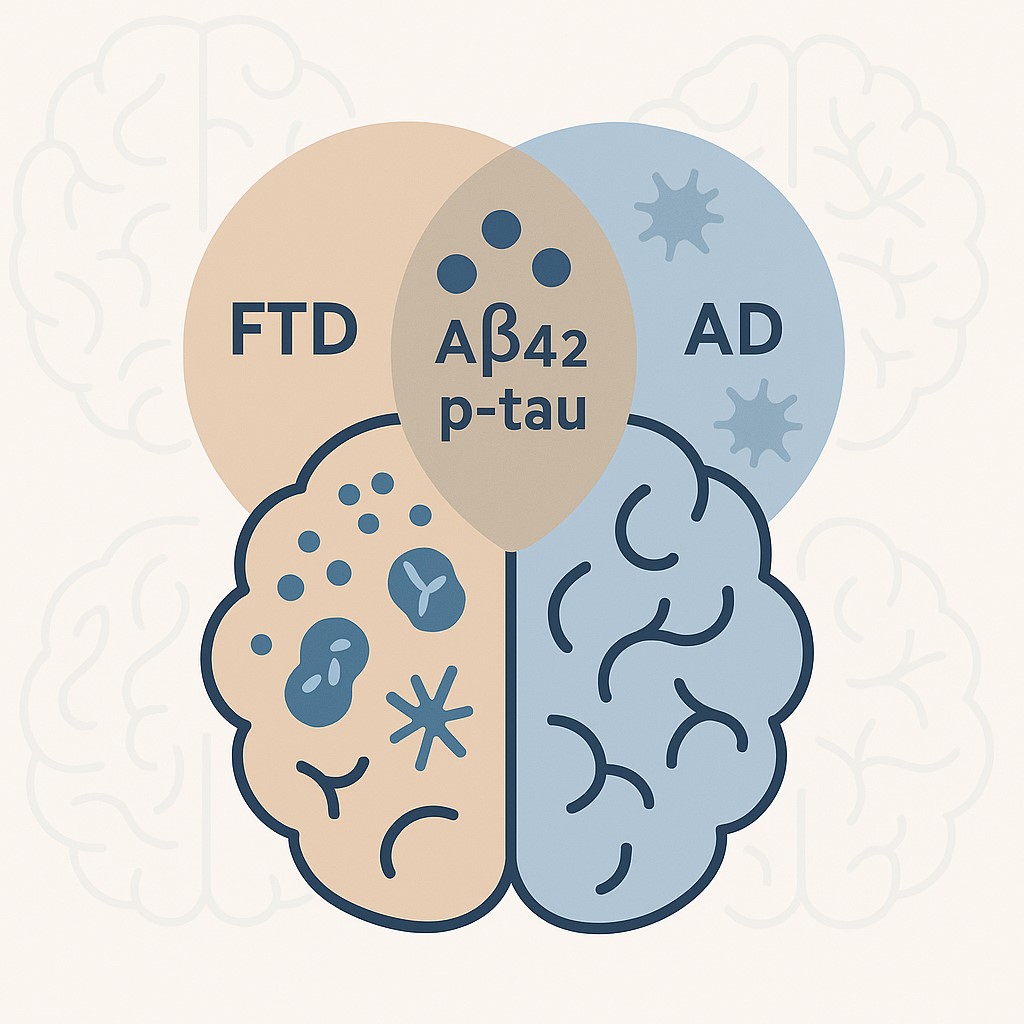
A landmark JAMA Neurology study analyzed CSF biomarkers in 13,800 dementia patients, finding AD-like profiles in both AD and non-AD cases. These results indicate co-pathology in non-AD dementias, highlighting the need for biomarkers in diagnosis and personalized treatment, considering clinical conte
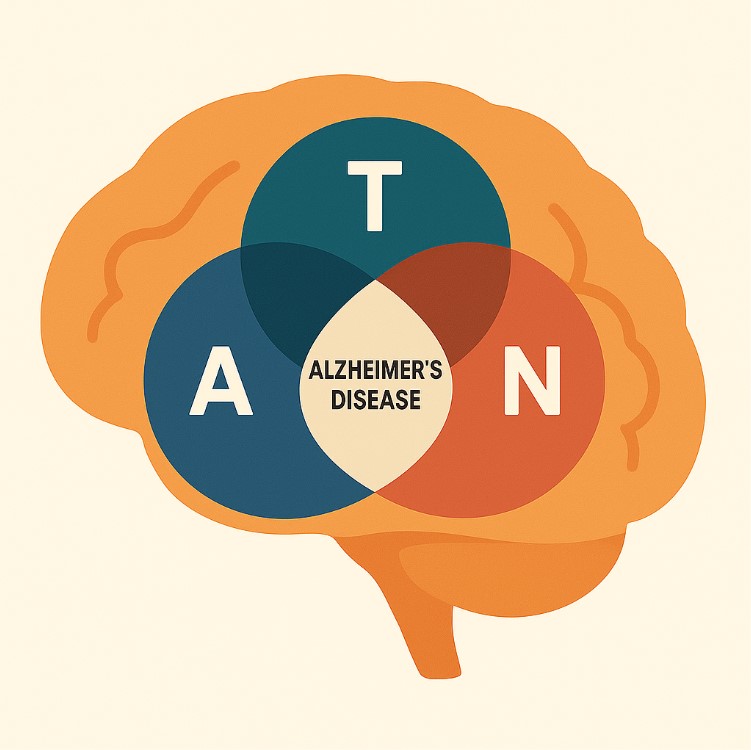
The A/T/N framework, introduced by Clifford R. Jack Jr. in 2016, categorizes Alzheimer's disease using biomarkers for amyloid, tau, and neurodegeneration. It aids early detection, risk stratification, and clinical trials. Despite challenges like biomarker variability, it is evolving to integrate mor

Monoclonal antibodies lecanemab and donanemab modestly slow cognitive decline in early Alzheimer's disease, marking a shift toward disease-modifying treatments. They are suitable for patients in early stages with low-to-intermediate tau pathology, requiring precise diagnostics and careful monitoring

Monoclonal antibodies such as lecanemab and donanemab have changed Alzheimer's treatment by modestly slowing cognitive decline. They are most effective in early stages, like mild cognitive impairment (MCI) or mild Alzheimer's, with low tau pathology. Biomarkers and imaging aid in predicting response
Evaluating cognitive concerns requires a thorough assessment, including patient history, neurologic exams, and screenings like MMSE and MoCA. Diagnostic workup involves lab tests, MRI, and biomarkers. Elevated biomarkers may indicate Alzheimer's, guiding further tests and therapy. Rapidly Progressiv

Atypical Alzheimer's disease (AD) variants, prevalent in younger individuals, manifest as language, visuospatial, or executive dysfunctions rather than memory loss, complicating diagnosis and treatment. Accurate identification using biomarkers and neuroimaging is crucial to avoid misdiagnosis and ensure timely and appropriate care.

Alzheimer's disease (AD) is now recognized for its biological basis, detectable through biomarkers like amyloid and tau years before symptoms appear. Advances in diagnostics and understanding of risk factors, alongside evolving treatment strategies, offer hope for early intervention. Nonpharmacologic and pharmacologic therapies, including novel anti-amyloid drugs, are central to managing AD's diverse clinical phenotypes. The integration of biomarkers into clinical practice is crucial for earlier and more accurate diagnoses, emphasizing a multi-target, comprehensive care approach for patients.

Advancements in Parkinson's disease diagnosis now include biomarkers and genetics, enabling earlier detection and personalized treatment. The disease's complexity and varied symptoms demand novel diagnostic tools and subtyping to improve patient outcomes.

Diagnosing leukoencephalopathies involves MRI pattern analysis, distinguishing hypomyelination, and using genetic, clinical, and biochemical tests. This structured approach narrows down diagnoses, considers clinical correlation, and excludes acquired mimics to identify specific leukoencephalopathies.
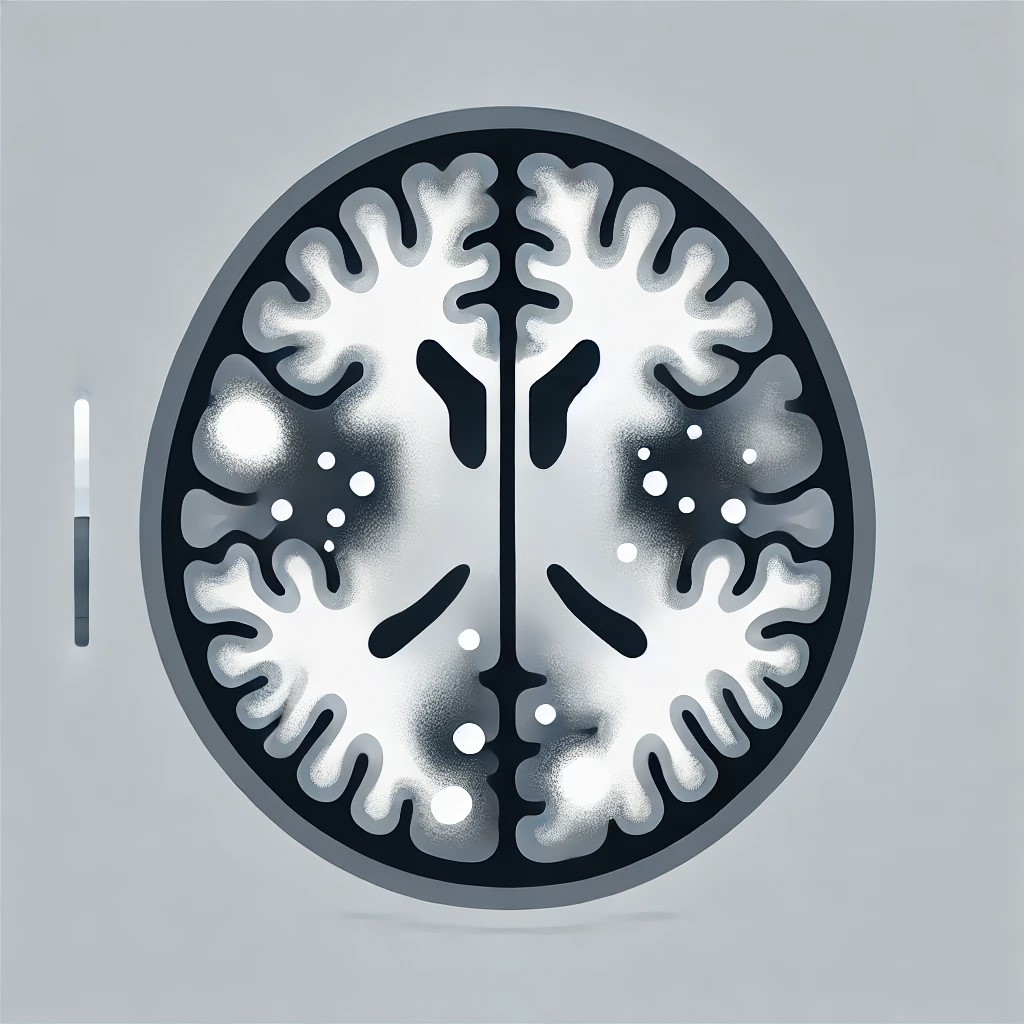
MRI diagnosis of leukoencephalopathies requires confirming symmetric white matter involvement, distinguishing between hypomyelination and demyelination, assessing white matter patterns, correlating findings with clinical presentation, considering extra-neurological signs, and utilizing ancillary tes

Neurolongevity focuses on maintaining brain function, independence, and quality of life, rather than preventing aging or eliminating disease. It aims to preserve cognitive abilities for as long as possible, even when faced with medical conditions or neurodegenerative challenges.
Over the past 30 years, nicotinamide adenine dinucleotide (NAD+) has transformed from a little-known biochemical substrate in dehydrogenase reactions to a crucial focus in aging, neurodegeneration, and cellular resilience research. Initially a metabolic curiosity linked to vitamins, NAD+ now stands

The coenzyme Nicotinamide Adenine Dinucleotide (NAD+) is essential for electron transport, redox reactions, sirtuin and mono-ADP-ribosylation regulation, DNA repair, calcium signaling, and mitochondrial function. Studies show its levels decline with age, impacting these vital cellular processes.

Women's brain health deserves special attention as they face unique challenges during menopause when estrogen levels decline, impacting brain energy and function. Estrogen is crucial for memory and mood regulation. Lifestyle changes, such as diet and exercise, can help maintain brain health. Hormone therapy may aid menopause symptoms but does not prevent Alzheimer's. Women in midlife should prioritize brain health, considering personal risks and exploring options with healthcare providers.
Sleep is crucial for brain health, influencing cognition and memory, and helping prevent cognitive decline. Managing sleep issues can involve non-drug methods like sleep hygiene and CBT-I, as well as medications like DORAs. Personalized strategies developed with healthcare professionals are important.

As the global population ages, dementia prevalence increases, posing public health challenges. Physical activity may reduce dementia risk by enhancing cognitive reserve, protecting cerebrovascular health, and reducing amyloid-. Guidelines recommend 150 minutes of moderate exercise weekly. Further research is needed.

Music therapy is a promising non-drug treatment for Alzheimer's, aiding in symptom relief, mood, and cognitive and social functions. It may boost neuroplasticity and reduce inflammation. The ALMUTH study explores these effects, but further research is necessary.

The study reveals that amplitude-modulated music can boost cognitive performance, especially sustained attention, by interacting with brain oscillations. Participants with greater attentional challenges saw the most benefit, indicating music as a non-invasive, low-risk method to enhance attention.

A 6-month follow-up of a phase 2 trial comparing psilocybin therapy and escitalopram for major depressive disorder found both treatments improved depression. Psilocybin showed greater benefits in social functioning and life meaning. No significant safety differences were observed.

The article explores new curcumin derivatives as a therapeutic approach to lessen toxic tau oligomers in neurodegenerative diseases such as Alzheimer's. These derivatives reduce tau toxicity and encourage the formation of non-toxic aggregates, offering a promising strategy for treatment.

This article highlights a breakthrough in Alzheimer's research, showing that the cholesterol drug ezetimibe can reduce neurodegenerative protein aggregation. This discovery suggests new prevention strategies for Alzheimer's and other dementias, especially in high-risk groups, by repurposing existing medications.

The article provides compelling evidence that mild hyperthermia, whether induced by sauna-like conditions or menthol treatment, could reduce tau phosphorylation, offering promising new avenues for treating Alzheimer's disease and other tauopathies. These findings contribute to a growing body of research exploring non-pharmacological approaches to slowing neurodegenerative disease progression.

The article highlights the promising intersection of immunology, neuroscience, and olfaction, showing that immune system interventions like menthol inhalation or Treg depletion can significantly impact cognitive function in neurodegenerative diseases, paving the way for new Alzheimer's therapies.