Alzheimer's disease is often associated with memory problems. While memory loss is common, it is not the only way Alzheimer's can begin.
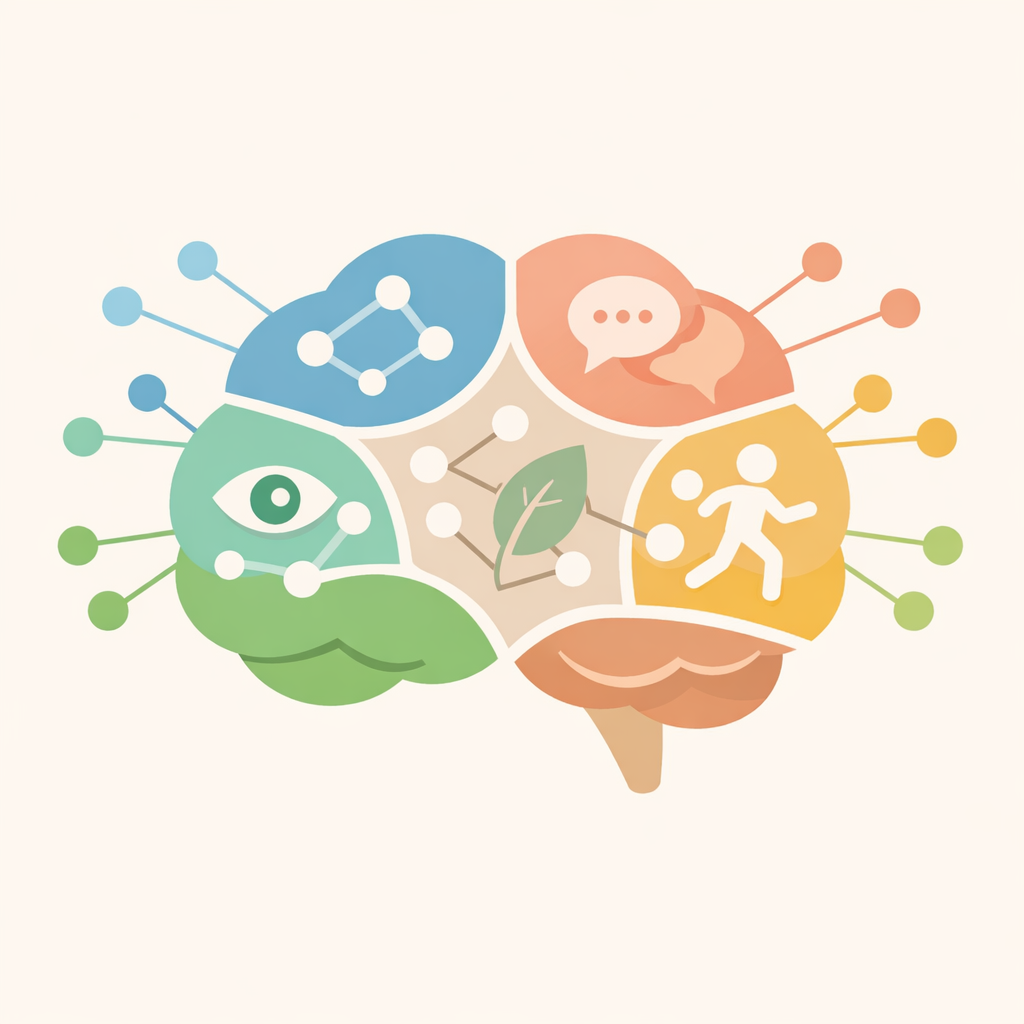
Alzheimer's affects the brain's thinking systems. Each system controls different aspects of our cognition, including how we think, communicate, see, plan, and move. When Alzheimer's starts, it typically affects one system more than the others. This initial system influences the symptoms that people notice.
As a result, two individuals with Alzheimer's disease may exhibit very different symptoms, especially in the early stages.
The Brain Has Different Thinking Systems
The brain performs multiple functions through interconnected systems, including:
Memory
Attention and organization
Language
Vision and spatial skills
Behavior and emotional control
Movement and coordination
Alzheimer's disease can affect any one of these systems first.
Memory Changes (Most Common Type)
What people often notice
Forgetting recent conversations or events
Repeating the same questions
Trouble learning new information
Misplacing items
What this means
The brain has difficulty saving new memories. Older memories may remain clearer for a longer time.
This is the most familiar type of Alzheimer's and the one many people expect, but it is not the only type.
Attention and Organization Problems
Sometimes mistaken for ADHD, stress, or burnout
What people notice
Trouble focusing
Difficulty multitasking
Feeling overwhelmed by everyday tasks
Slower thinking or decision-making
What this means
The brain system that assists with planning, organizing, and staying on task is affected first. Memory may appear mostly unaffected early on, making this type confusing.
Language Changes
Problems with words and communication
What people notice
Trouble finding the right word
Pausing often while speaking
Difficulty following long conversations
Frustration when trying to communicate
What this means
The brain struggles with finding or processing words. While individuals usually know what they want to say, the words do not come easily.
This type of Alzheimer's may initially present as a speech or language problem.
Vision and Spatial Problems
Not an eye problem
What people notice
Trouble reading
Difficulty judging distance
Getting lost in familiar places
Problems using tools, appliances, or driving
What this means
The eyes function properly, but the brain has difficulty understanding visual information. This can affect daily activities even if memory remains relatively strong.
Behavior or Personality Changes
What people notice
Acting differently than before
Reduced interest in others or activities
Poor judgment or impulsive behavior
Loss of motivation or emotional warmth
What this means
The brain systems involved in social behavior, judgment, and emotions are affected first. This can be particularly challenging for families, as the person may seem "not like themselves."
Movement and Coordination Problems
What people notice
Clumsiness in one hand or leg
Trouble using tools, utensils, or buttons
Difficulty writing or performing familiar movements
What this means
The brain struggles with planning movements, even though the muscles remain strong. This is not caused by weakness or arthritis.
How Symptoms Can Change Over Time
Alzheimer's is a progressive disease, which means:
Other thinking systems may become involved over time
Changes often occur slowly
The order and speed of changes vary from person to person
Not everyone experiences every type of symptom, and progression differs for each individual.
Why Understanding the Type Matters
Knowing how Alzheimer's manifests helps:
Explain symptoms clearly
Reduce fear, guilt, or blame
Guide treatment and therapy choices
Help families know what to expect
Support planning and daily routines
What This Does Not Mean
It does not mean intelligence or worth is lost
It does not mean symptoms are "on purpose"
It does not mean everything will change at once
These changes reflect a medical condition affecting specific brain systems.
The Key Takeaway
Alzheimer's disease does not look the same in everyone.
The symptoms depend on which thinking system in the brain is affected first.
Understanding this can make the disease feel less confusing, helping patients and families proceed with clarity and support.