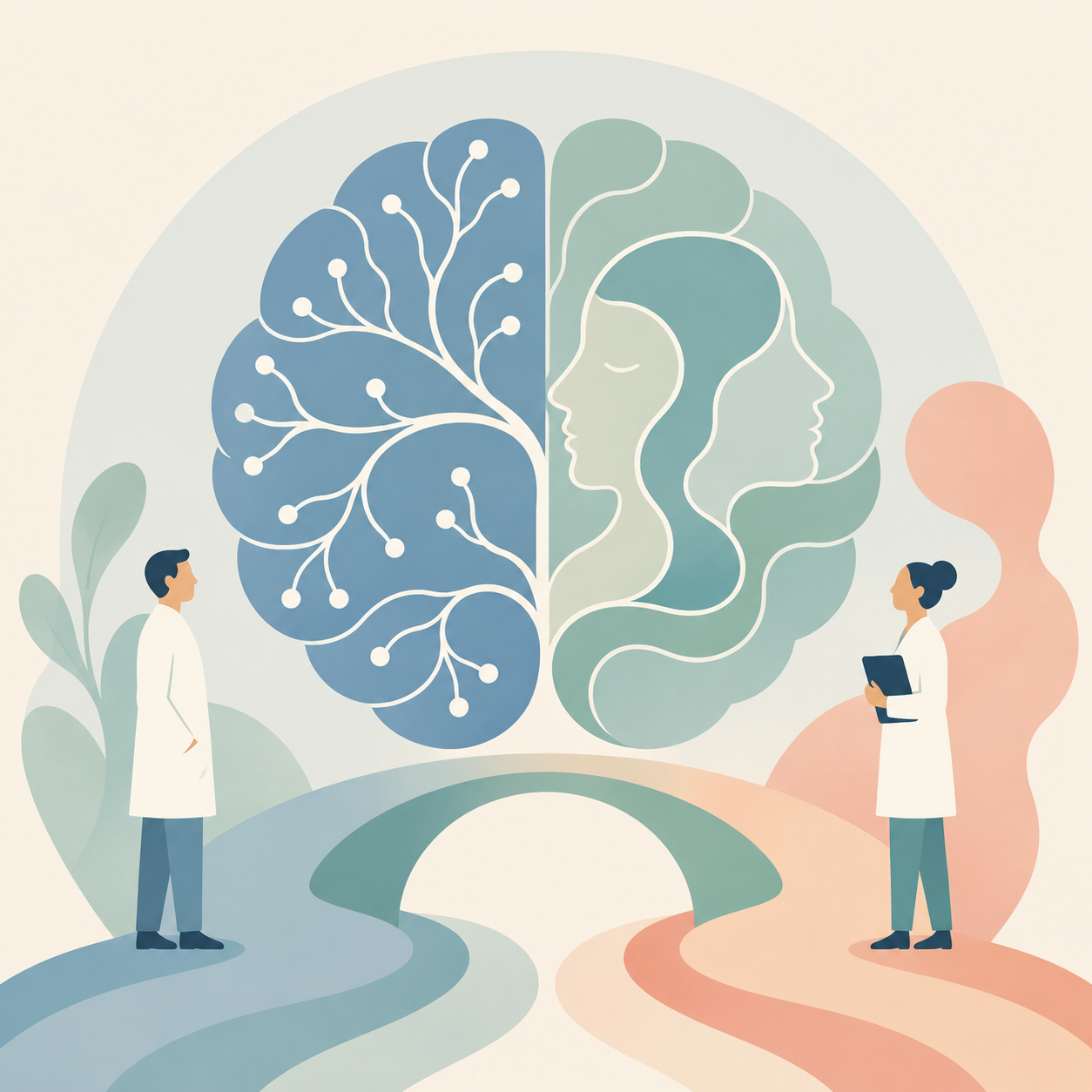
The 1880 war between American neurology and psychiatry — how it was fought, why the wrong side won for the right reasons, and what a hundred and forty years of fallout has finally begun to settle
Prologue: December 1880
The hearing room filled early.
The New York State Senate Investigative Committee on Asylum Management had scheduled a routine morning of testimony on institutional administration, and by the time the first witness was called the benches were overflowing — physicians, reformers, spectators, and an unusual density of newspapermen who had been following the affair for three years and knew what was coming.
What was formally at issue was the management of New York's state asylums. What was actually at issue was whether one medical specialty would swallow another.
On one side sat the neurologists: an organized body barely six years old, born on Civil War operating tables, armed with a method, a French intellectual pedigree, and a claim that the study of insanity properly belonged to them. On the other sat the asylum superintendents — the alienists, who would within a generation call themselves psychiatrists — who had built and run American institutional care for the mentally ill since 1844, who controlled every bed and every job in the system, and who regarded the neurologists as fee-hungry office practitioners who had never managed a chronic patient in their lives.
A plausible outcome of that morning was a legislative recommendation transferring administrative control of the asylums to neurologists. Michigan had already opened its own inquiry. Other states were watching New York closely and appeared ready to follow. Had the recommendation come, the specialty we now call psychiatry might have been reduced, within a decade, to a subdivision of neurology.
It did not come. And the reasons it did not come have almost nothing to do with the scientific merits of the argument.
That is the part worth remembering. The question the neurologists raised in 1880 was never answered. It was tabled — on grounds of patronage, political friendship, and the simple fact that one side had a plan for what to do with twelve thousand patients on Monday morning and the other side did not.
It is being reopened now. Not by rhetoric. By assays.
Part One: How Two Professions Grew From One Organ
The asylum builds a specialty
Western psychiatry did not emerge from a laboratory. It emerged from a building.
Its birth over the late eighteenth and early nineteenth centuries depended on three converging shifts: madness was reconceived as illness rather than spiritual affliction; humoral theory gave way to the brain and nerves as the seat of mental disorder; and the asylum arose as a dedicated institution. That third development was decisive, because only inside institutions could physicians observe large numbers of the mentally ill at once — the precondition for specialized clinical vocabularies and new systems of classification. The decline of purging, bleeding, and emetics left a therapeutic vacuum, and into it came the young specialty's first genuinely novel treatment: moral therapy.
Moral treatment, originating with Pinel in France and Tuke in England in the late 1700s, held that a person deemed insane could be restored to reason and returned to the community if given a safe, orderly, pleasant environment and productive work. In America the philosophy fueled an extraordinary institutional expansion. By 1875, seventy-one mental hospitals had opened across thirty-two states. A "cult of curability" took hold, with asylum managers reporting annual recovery rates above 70 percent.
The superintendents of these institutions were, in the most literal sense, the rulers of small self-sufficient towns. They controlled admissions, staffing, budgets, farms, and — critically — a patronage system of jobs that made them extremely useful friends to state legislators.
On October 16, 1844, thirteen of them met in Philadelphia for four days and founded the Association of Medical Superintendents of American Institutions for the Insane. It was the first national medical society in the United States, predating the American Medical Association by three years. It became the American Medico-Psychological Association in 1892 and the American Psychiatric Association in 1921. Its journal, the American Journal of Insanity, became the American Journal of Psychiatry.
These men were not the anti-intellectual caricatures their opponents would later draw. They developed elaborate theories of individual psychology and the nature of the self, heavily inflected by Protestant religious thought, including a concept of a central governing agency of the self that anticipates later ego psychology by decades.
But the cult of curability collapsed. Asylums grew overcrowded, chronicity accumulated, and therapeutic institutions became custodial ones. The numbers are brutal in retrospect: at the Willard Asylum in New York, of roughly eight thousand people admitted between 1869 and 1900, only about 18 percent were ever discharged. The rest stayed until they died.
By 1878, when the neurologists opened fire, the asylum system was genuinely failing. That fact is what gave their attack its moral force — and it is the part of the story that the "turf war" framing tends to bury.
The war builds a specialty
American neurology was born in the field hospitals of the Civil War.
Gunshot wounds to peripheral nerves and spinal cord produced, in industrial quantities, precisely the natural experiments a localizationist neurology required: a lesion here, a deficit there. General practitioners who served in the army medical departments emerged four years later as practicing neurologists, and the specialty was born with a working method — correlate the lesion with the sign — that succeeded spectacularly at the things it succeeded at.
Two figures dominated. S. Weir Mitchell operated a hospital for nervous diseases in Philadelphia from 1862. And William Alexander Hammond (1828–1900) rose to become Surgeon General of the United States Army. Between them, they placed neurology on the American medical map.
Hammond's institutional achievements were foundational and are easy to underestimate from the far side of his reputation. He established the first American private practice limited to diseases of the nervous system. He published the first comprehensive American neurology textbook in 1871 — more than a decade before the manuals of Gowers and Oppenheim. He coined the term athetosis. In 1867 Bellevue Hospital Medical School created a combined neurology-psychiatry chair with Hammond as professor, one of the earliest such academic positions anywhere in the world, and nearly twenty years before Charcot assumed his celebrated chair in Paris. American universities were institutionalizing clinical neuroscience before the French were.
The organizational scaffolding followed fast: the New York Neurological Society in 1872, the American Neurological Association's first meeting in 1875, and the Journal of Nervous and Mental Disease as its organ. By the late 1870s the neurologists constituted a compact, prestigious, well-connected nucleus within the medical intelligentsia. They trained in — or self-consciously modeled themselves on — the clinico-anatomical rigor of the French school: Cruveilhier, Vulpian, Duchenne, Charcot.
The real fault line was not the organ
Here is what makes the conflict genuinely interesting rather than merely colorful: the two specialties were not divided by their theory of mental illness. They were divided by chronicity, class, and payment.
Neurology practiced in offices. Its patients were ambulatory, frequently affluent, and presented with the enormous middle territory of nervous complaint — neurasthenia (a term George Beard coined in 1869, functioning as a diagnostic land grab of impressive scope), hysteria, neuralgia, epilepsy, tremor, headache, the sequelae of syphilis and trauma. In practice, neurologists were doing a great deal of what would now be called psychotherapy; Beard and Mitchell built substantial reputations managing what we would today diagnose as anxiety, depression, and somatic symptom disorders.
Psychiatry practiced in buildings. Its patients were severely and chronically ill, overwhelmingly poor, and stayed for years or for life.
Each specialty looked at the other's patients and saw territory. The scientific argument followed the economic position rather than preceding it.
And the argument itself was a syllogism, and not a bad one: if insanity is a disease of the brain, and the science of brain disease is neurology, then — as Edward Spitzka put it in 1878 — the study of insanity should be considered a subdivision of neurology.
Its weakness was not logical. It was empirical. In 1880, neurology could not find the lesion in most insanity, and it had nothing therapeutic to offer that the asylums did not already have.
Part Two: The Men
William Alexander Hammond was forty-eight in 1880 and physically enormous — pompous and arrogant by the assessment of neurology's own later historians, with a voice one biographical sketch described as audible upwind in a hurricane.
His career has the shape of a man who was humiliated once and never stopped answering for it. His tenure as Surgeon General was genuinely reformist: he professionalized the Union medical corps and founded the Army Medical Museum. In 1864 he was court-martialed over irregularities in hospital supply contracts — a proceeding understood then and now to have been driven by his enemies in the War Department rather than by the evidence — and dismissed. He rebuilt himself in New York, charged fees that scandalized his colleagues, grew wealthy, co-founded the ANA in 1874, and held the first American professorship of nervous and mental diseases. In 1878, Congress reviewed the court-martial and restored his rank.
Hammond spent those fourteen intervening years as a man with a great deal to prove and a considerable talent for proving it in public.
John Perdue Gray was fifty-one, weighed roughly three hundred pounds, and was described by contemporaries in terms suggesting formidable institutional power and a long memory: autocratic, manipulative, an enduring hater.
He had been superintendent of the Utica State Lunatic Asylum since 1854, when he took the post at twenty-nine, and would hold it until his death. He was one of the thirteen founders of the AMSAII. He edited the American Journal of Insanity. He advised the federal government, including Lincoln. He held professorships at Bellevue and Albany Medical College.
Gray is easily cast as the reactionary here, and in the fight itself he was the defender of an indefensible status quo. But he was not the anti-scientific figure his enemies drew. He had introduced systematic case records and routine postmortem examination at Utica. Doctrinally he was a hard biological determinist about mental illness — insanity was a brain disease arising from heredity and physical cause — and he was consistently hostile to the older moralized account of madness as a failure of will.
Which produces the deep irony at the center of this entire story: Hammond and Gray agreed almost completely about the nature of mental illness. They destroyed each other over jurisdiction.
There is a further irony inside neurology itself. When George Beard tried to build a genuine medical psychology on the neurasthenia concept, his own neurological colleagues resisted him, often with open sarcasm. Hammond dismissed Beard's work outright, remarking that if Beard's doctrines were accepted he should feel like throwing his diploma away and following the theologians. The specialty that was claiming all of brain-and-behavior for itself could not tolerate psychology within its own ranks — a tension that would shape both fields for the next century.
Part Three: The Escalation, 1871–1880
1871 — First contact, in a courtroom
Hammond and Gray met first as opposing expert witnesses. David Montgomery, who had epilepsy, was tried for killing his wife. Gray testified that he had been insane at the time of the act. Hammond testified that he was perfectly sane, and that Gray's opinion reflected an absence of practical experience with either epilepsy or insanity.
Hammond won.
It was a small case that established a very large pattern. The two professions would fight their public battles over the criminal responsibility of the mentally ill — in front of juries, in front of newspapers, in front of a public that had strong intuitions and no technical vocabulary. The courtroom turned out to be the ideal stage for rival models of the mind, because it forced each side to state its theory in terms a layman could grade.
The legal question was criminal responsibility. The professional question underneath it was: who has the right to interpret the relationship between brain disease and behavior?
1878 — Spitzka opens fire
Edward Charles Spitzka, a young Hammond ally with a gift for invective rarely matched in medical literature, published two papers attacking the superintendents directly.
They were appointed, he wrote, on grounds of nepotism and political favor. They showed apathy and ignorance, and a dereliction of scientific duty. His most durable line accused them of caring more about the prizes their asylum farms won for hogs and strawberries at agricultural fairs than about their patients. Of Gray personally, he wrote that the man was indifferent and superficial, owing his position to political buffoonery, and alleged that he had confused, if not falsified, the asylum's financial statements.
1878 — Grissom answers
The superintendents replied two months later at their annual meeting, through Eugene Grissom of the North Carolina asylum at Raleigh — Gray's medical school classmate and close friend.
Grissom's address, "True and False Experts," is one of the strangest documents in American medicine. It abandoned argument entirely for sustained personal destruction. He called Hammond a criminal and an atheist. He attacked his fees, calling him a Judas Iscariot to humanity, selling the blood of his children for thirty pieces of silver. He built to a peroration describing the false expert as no man at all but a moral monster, with baleful glaring eyes and bowels that were bags of gold, casting spider-like arms about a helpless prey.
It was reportedly met with thunderous applause. It was then published in the American Journal of Insanity — which Gray edited.
1878 — The lawsuit, and the doors opened to the press
Hammond sued Gray for libel, both as editor and on the widely held assumption that Gray had ghostwritten the address.
The suit made the feud national news. When the New York Neurological Society met that October for Spitzka's reply, it suspended its own rules to admit reporters. That small procedural act tells you exactly how both sides now understood what they were doing. This was no longer a scientific dispute. It was a press campaign.
Spitzka's reply opened by deploring Grissom's purely personal attack and its unprecedented language — and then called the superintendents shallow pretenders and ignorant indifferentists who had dragged psychiatry into a slough of despond, scientifically and administratively. He then produced specifics: one superintendent under official investigation for financial looseness; another accused of falsifying asylum death certificates to conceal staff abuse of patients; two others dismissed for repeated intoxication. Hammond simultaneously published an open letter defending his fees and suggesting that Grissom himself might be insane.
Those specifics matter enormously, and they are the reason this cannot be read as a pure turf war. Strip away the rhetoric and the neurologists were making substantive allegations about custodial abuse, falsified records, and unaccountable institutional power. Some of them were true.
But the critique had also become indiscriminate. The neurologists were no longer arguing that the asylum system required reform. They were arguing that psychiatric leadership was professionally illegitimate — and reformers depend on credibility. By appearing vindictive and sensational, they made it progressively easier for their opponents to reframe structural criticism as personal ambition.
1879–1880 — The reform coalition
The neurologists broadened their base, joining social workers and lay reformers to found the National Association for the Protection of the Insane and the Prevention of Insanity in 1879. The organization gave the campaign a moral rather than merely professional register, and a newsletter from which to keep firing. One contributor wrote that the average superintendent was more interested in the growth of cabbage than in morbid growths within the encephalon, and that the location of turnip patches concerned him more than the localization of cerebral lesions.
The New York Times covered Spitzka's demands favorably. The Connecticut Medical Society invited Hammond to speak. Michigan's legislature opened an inquiry into its own asylum.
And New York appointed a board to investigate.
Part Four: The Turn
At the December 1880 hearings, Hammond delivered his familiar indictment and then made a joke that has outlived every serious argument he ever offered. He proposed that physicians be barred from serving as asylum superintendents altogether, and that a lay superintendent be appointed instead — to raise turnips and entertain visitors' friends.
The room laughed. The Times reported it.
Spitzka followed and accused the superintendents of perjury. The superintendents defended their integrity and their record.
And that was the high-water mark. In retrospect, the hearings were the moment the neurologists lost. There are four reasons, and the fourth is the one usually left out.
One: exhaustion. Legislators and the public had spent three years watching two groups of physicians call each other moral monsters and buffoons. Neither side emerged looking like the responsible party. The campaign no longer read as controlled reform; it read as a feud between rival elites.
Two: no alternative. The neurologists attacked the asylum system without proposing a workable model to replace it. They had no answer to the actual question in front of the committee, which was not are these men scientists but who is going to house, feed, and manage twelve thousand chronically psychotic New Yorkers next year. It is far easier to expose the deficiencies of an imperfect system than to assume responsibility for operating one. As the historian Bonnie Blustein concluded, the neurologists failed to establish themselves as the sole authorities on the treatment of the insane, and came across as somewhat irresponsible and sensationalist.
Three: patronage. This was probably decisive. Legislators had relatives and constituents who needed beds in overcrowded hospitals, and superintendents controlled admissions. Superintendents also controlled every job inside the asylum walls and could distribute them to legislators' friends. Psychiatry's power did not rest on prestige; it was embedded in patronage networks and public administration. The committee was, in effect, pre-purchased. Hammond said afterward that the commission could not have been more favorable to the superintendents if the superintendents had chosen the appointees themselves — which, he added, was very likely what had happened.
Four: the neurologists were making a scientific promise they could not yet keep. Their claim on the asylums rested on the assertion that insanity was brain disease amenable to neurological method. In 1880, that method was lesion localization at autopsy. For general paresis it was about to deliver magnificently. For the great mass of asylum patients — those with what we would now call schizophrenia, bipolar disorder, and severe depression — it would deliver nothing whatsoever for another century.
They had no neuroimaging, no genetics, no electrophysiology, no molecular pathology, no psychopharmacology, no biomarkers. Even where gross pathology existed, the relationship between structure and behavior was poorly understood. The neurologists claimed scientific authority several decades before they could consistently deliver scientific explanation, and the legislature could tell.
Neurology had the stronger theory of disease. Psychiatry had the stronger system of power. Power won, as it generally does when the theory cannot yet be cashed out.
Part Five: Guiteau, and the Autopsy That Explained Nothing
On July 2, 1881, Charles Julius Guiteau shot President James Garfield at the Baltimore and Potomac railroad station in Washington. Garfield lingered eighty days and died on September 19, killed less by the bullet than by the unsterile fingers and probes his physicians repeatedly introduced into the wound.
Guiteau's trial split the medical profession along exactly the lines drawn in Albany.
Gray was the chief prosecution expert. He interviewed the defendant over two days in October 1881 and testified that Guiteau, whatever his moral depravity and egomania, understood the wrongfulness of his act — and that his careful planning, including drafting a defense speech in anticipation of an insanity plea, was itself evidence of sanity. Spitzka, Hammond, and the neurologists argued that Guiteau suffered from a reasoning mania and was insane. Spitzka was the only expert who had personally examined the prisoner and was asked directly for an opinion on his mental state; he gave the unpopular answer.
The public and the jury sided overwhelmingly with Gray. Guiteau was convicted and hanged on June 30, 1882.
The twist, and why it needs correcting
The standard telling delivers a satisfying reversal at this point: the autopsy found brain syphilis, so the neurologists won the battle but lost the war.
It is a good line. It is also considerably more doubtful than it sounds, and the correction is worth the loss of the aphorism.
Ninety minutes after the execution, roughly twenty physicians performed the postmortem. They found no gross neuropathology. The brain was macroscopically unremarkable — no atrophy, no tumor, no lesion of the kind the localizationist program required. The principal finding was a thickened dura mater, which some observers then and later read as consistent with neurosyphilis, alongside an enlarged spleen attributed to chronic malaria. Daniel Lamb, who had also autopsied Garfield, published his report unilaterally and to the considerable annoyance of colleagues who objected that one man's conclusions did not constitute a valid post-mortem.
The literature since has divided sharply. Some microscopic descriptions of chronic inflammation have been read as syphilitic. But George Paulson's 2006 review of the original records concluded that the evidence for neurosyphilis was inconclusive, and that Guiteau's presentation is better explained by a primary psychotic illness — a reading most modern forensic assessments share.
So the honest version is less tidy and considerably more interesting. The autopsy did not vindicate the neurologists. It did the opposite. On the most scrutinized brain in America, the lesion-hunting method failed to answer the question it had been convened to answer. The neurologists had staked their claim to psychiatry on a technology of detection that was not yet good enough. Guiteau's dura was the proof.
There is a second lesson buried here, and it has aged even better. Even had the syphilis been unambiguous, it would not have settled the legal question. Demonstrating brain pathology does not automatically resolve agency, intent, judgment, or accountability. Biological explanation is not moral or legal exculpation — a distinction that still governs every forensic neuropsychiatric evaluation conducted today.
The disease that proved them right anyway
The bitter comedy of the Guiteau autopsy is that general paresis of the insane — the neuropsychiatric manifestation of tertiary syphilis — was about to become the single most important disease in the history of both specialties.
It altered the concept of madness itself by demonstrating that a structural brain disorder could simulate virtually every form of mental disease. In the pre-antibiotic era it accounted for as much as 10 percent of psychiatric hospital admissions. Its presentations were protean: irritability, personality change, emotional lability, grandiose delusions, seizures, progressive dementia. Merritt's paraphrase of Osler's dictum captured the stakes exactly — know paretic neurosyphilis in all its aspects and you know all of psychiatry.
General paresis was the neurologists' argument made flesh. A psychiatric syndrome, indistinguishable at the bedside from primary mental illness, turned out to have an infectious etiology, a demonstrable neuropathology, and eventually a treatment. It crossed the border from psychiatry to neurology and internal medicine and never came back.
It was also, for seventy years, the only such case. That is why the neurologists lost. They had one magnificent proof of principle and no way to extend it.
Part Six: What Became of Them
Gray was shot in his own office at Utica on the evening of March 16, 1882, in the presence of his son and two staff members. The assailant was Henry Remshaw, a former shoemaker who had made public threats against him for weeks beforehand, apparently provoked by the Guiteau trial. He was not, as the story is usually retold, one of Gray's patients.
The ball entered below the left eye and passed through the upper jaw. Gray survived; the wound was not initially thought serious. But it left him in near-constant pain, impaired his breathing, and he never fully recovered. He convalesced away from New York, returned to work, and died on November 29, 1886, at sixty-one, officially of Bright's disease, his decline generally attributed to the shooting. When Remshaw was captured he was carrying four revolvers, a derringer, a knife, and more than two hundred cartridges, and he claimed to be an ambassador sent from heaven to kill Gray. A court commission found him insane and committed him.
Grissom, whom Hammond had publicly suggested might be insane, was removed from the Raleigh superintendency in 1889 after a sensational trial on charges including cruelty and immorality. He served as president of the AMSAII in 1887–88. He died by suicide in July 1902. Some accounts attribute his deterioration to neurosyphilis; the contemporary evidence is thin, and the claim has the same forensic character as the Guiteau story — a retrospective diagnosis doing rhetorical work.
Hammond and Spitzka both went on to substantial careers. Spitzka was among the physicians who examined Guiteau's brain. His son, Edward Anthony Spitzka, would later autopsy Leon Czolgosz, McKinley's assassin — a family with an unusual specialization in the neuropathology of presidential assassins, and an unusually consistent record of finding nothing.
Part Seven: The Long Fallout, 1883–1980
The near-reconciliation nobody remembers
The most surprising thing about the immediate aftermath is that the neurologists moved toward psychiatry rather than away from it.
In 1883, both Hammond and Spitzka published systematic treatises on mental disorders — the first significant American works of their kind since Benjamin Rush. The march into psychiatry was made by the strictly organic route of neuroanatomy and neuropathology, but it was a march in. ANA membership doubled in 1887. The field was attracting physicians of high caliber, and for a moment the border looked permeable.
Then psychoanalysis arrived.
The doctrinal divorce
Psychoanalysis reached America in the 1910s and 1920s and did for psychiatry what the asylum had done seventy years before: it supplied a self-sufficient technology and an internal logic that made external validation unnecessary. Psychiatry acquired a theory of mind that did not require a brain.
The consequences were structural. Psychiatrists perceived progressively less need for neurological knowledge, and neurology content in psychiatric training contracted. Neurology, for its part, retreated into what it had always done well — the lesion, the localizing sign, the nerve, the muscle, the vessel — becoming, in one contemporary assessment, a discipline of erudite diagnosticians of specific syndromes who paid remarkably little attention to therapeutic programs for their patients.
Each field kept the diseases its method could handle. The border was drawn, in effect, by the resolution limit of the available microscope.
The false dawns
World War I briefly reversed the trend. The military's need to differentiate what would now be called functional neurological disorders from structural disease encouraged combined residency training and popularized the term neuropsychiatry.
The American Board of Psychiatry and Neurology was founded in 1934 as a joint board — an artifact of the older, unified understanding. In its first decade, 1935 to 1945, 36 percent of physicians it certified held certification in both specialties. That number is startling from the present vantage and worth sitting with.
But the term neuropsychiatry drifted. It became interchangeable with general psychiatry, used mainly to distinguish it from psychoanalysis, and lost its specificity entirely.
After World War II, neurology struggled to differentiate itself at all. A 1946 survey found that the majority of board-certified neurologists earned most of their income from practices other than neurology — most often psychiatry. The formation of the American Academy of Neurology in 1948, resisted by the established ANA, represented a younger generation's deliberate effort to grow the field, separate from psychiatry, and claim ownership of neurologic disease management.
That separation succeeded. Two residencies, two boards, two literatures, two sets of clinics, two chairs, two departments, two sets of payer contracts. The shared name on the certifying board became a fossil rather than a bridge.
The pendulum, and the institutions that didn't move
Chlorpromazine and imipramine in the 1950s. DSM-III's descriptive revolution in 1980. The Decade of the Brain in the 1990s. Functional imaging thereafter. The intellectual pendulum swung hard back toward biology.
The administrative structures did not move at all. This is the single most durable finding in the whole history: ideas migrate freely across the neurology-psychiatry border; institutions do not.
Part Eight: The Question Reopens — This Time With Assays
What makes the 1880 fight worth revisiting now is that the empirical vacuum at its center has finally begun to fill in, and it is filling in from precisely the direction Hammond predicted and could not demonstrate.
The border diseases came first
Anti-NMDA receptor encephalitis is the cleanest case in modern medicine. Patients present with psychosis, catatonia, agitation, and hallucinations; they are admitted to psychiatric units; they have a treatable autoantibody-mediated brain disease. It is general paresis all over again, with a faster clock.
Behavioral-variant frontotemporal dementia routinely spends two to four years under a psychiatric diagnosis — late-onset bipolar disorder, atypical depression, personality change — before anyone images the frontal lobes.
Dementia with Lewy bodies presents with visual hallucinations and delusions that invite antipsychotic exposure, which is precisely the wrong treatment.
Late-onset psychosis in a person over sixty with no prior history is now reasonably regarded as a neurodegenerative presentation until proven otherwise.
Functional neurological disorder, traumatic brain injury, epilepsy-associated psychosis, catatonia, delirium, and the neuropsychiatric manifestations of movement disorders all sit permanently astride the line, forcing collaboration that neither specialty's training structure anticipates.
Then the diagnostic logic changed
The 2018 NIA-AA research framework did something the nineteenth century could only gesture toward: it defined a disease biologically rather than clinically. Alzheimer disease became an amyloid-and-tau construct — A/T/N — independent of whether the patient met any syndromic threshold.
That is Hammond's claim, made operational. The lesion is now detectable in vivo, decades before the syndrome, by amyloid PET and by cerebrospinal fluid and now plasma assays.
Then it became routine
Plasma p-tau217 now performs, in good cohorts, competitively with CSF and PET for detecting Alzheimer pathology — including in primary care populations. That is a blood test for a brain lesion, orderable by a family physician. And anti-amyloid monoclonal antibodies, lecanemab and donanemab, have converted amyloid from a diagnostic finding into a therapeutic target, with all the infrastructure that implies: infusion centers, ARIA surveillance MRI, APOE genotyping, quantitative PET, and payer coverage policy.
Consider what this does to the 1880 argument. The neurologists lost because they could not find the lesion and had nothing to offer instead. For at least one major class of brain disease, both deficits are now resolved. A specialty that can measure the pathology in blood and modify it with a drug occupies exactly the position Hammond claimed and could not hold.
And the institutions are finally moving
Behavioral neurology and neuropsychiatry has existed as a formally certified subspecialty since 2004, enterable from either residency — a small, quiet reunification at precisely the point where the two patient populations overlap. Dual residency training, which had nearly vanished, began climbing again in the 1980s as neuroscience, neuroimaging, and pharmacology advanced; surveys of dual-trained physicians report overwhelmingly positive assessments of the combined education's value.
Contemporary neuroscience has made the older separation increasingly difficult to defend. Brain and mental health disorders share genetic susceptibilities, inflammatory and metabolic pathways, environmental and social risk factors, and clinical features that cross every diagnostic boundary. Seizures, psychosis, mood disturbance, cognitive impairment, and sleep disorders are common to both fields.
Formal proposals for reunification are now on the table. The European Psychiatric Association and European Academy of Neurology have jointly called for a brain health framework treating the brain as a single biological organ, with joint consultations and shared outpatient pathways. In the United States, there are active calls for a unified classification system for brain-mind disorders. NIMH's Research Domain Criteria framework proposes reorganizing psychiatric nosology around neurobiological dimensions rather than syndromic categories — which is, in substance, Spitzka's 1878 position with better instruments and better manners.
Torrey noted in 2002 that NIMH and NINDS shared a building in Bethesda and some laboratory space, and that some observers thought a merged National Institute of Brain Research was only a matter of time. That case is stronger now than it was then.
As one widely cited analysis put it: neurology and psychiatry have been separated for much of the past century by an artificial wall built from divergent philosophical approaches and divergent research and treatment methods, and the scientific advances of recent decades have made that separation look arbitrary and counterproductive.
Part Nine: What 1880 Should Teach Us
The temptation is to read this as a story of psychiatry's temporary reprieve, with the neurologists finally arriving a century and a half late to collect. That reading is wrong, and it is wrong in ways that matter for how brain health programs are actually built today.
Being right about mechanism does not entitle you to the patients. The neurologists were correct that insanity is brain disease. They lost anyway, because they could not answer the operational question — who cares for these people, where, and with what. Any modern program that leads with biomarker sophistication and has not solved capacity, follow-up, infusion logistics, caregiver support, and payer coverage is making Hammond's error in a new costume.
Criticism is not a care model. The neurologists' central strategic failure was attacking the asylum system without building an alternative. It is a failure mode that recurs constantly in health system reform: a compelling indictment of the existing pathway, and no operational plan for the Monday after it is dismantled.
Institutional control follows who does the work, not who has the better theory. The superintendents held the beds, the jobs, and the admissions. That, not their science, is what won. Where clinical volume and infrastructure sit today — who runs the memory clinics, who owns the PET scanners, who holds the payer relationships, who can staff an infusion suite — will shape neurocognitive medicine far more than any argument about nosology.
The diagnostic boundary is a function of measurement, not of nature. Every disease that has crossed from psychiatry to neurology in a hundred and fifty years — general paresis, epilepsy, Huntington disease, the frontotemporal dementias, autoimmune encephalitis — crossed because someone developed an assay, not because someone won an argument. The boundary will keep moving. Some fraction of what is currently managed as primary psychiatric illness will be reclassified within the professional lifetimes of people practicing now.
Biological explanation is not the whole story, and the nineteenth-century neurologists were wrong about that. Brain-based accounts have not eliminated the need to understand development, trauma, culture, relationship, cognition, and social environment. Psychiatry survived in part because mental illness genuinely could not be reduced to the neuropathological tools then available — and in part because some of it still cannot. Hammond's confidence was directionally right and substantively premature, and the difference between those two things is where a century of patient care happened.
The tone of 1878–1880 was not an aberration of Victorian manners. It is what happens when a specialty's institutional survival is at stake and the science is not yet decisive enough to settle the matter. The vocabulary has changed; the dynamic has not. Anyone who has watched a coverage-policy fight, a scope-of-practice dispute, or a service-line reorganization will recognize the shape instantly — the questioning of competence, the impugning of motive, the substitution of moral character for evidence when evidence is unavailable.
And the patients paid. While the neurologists and psychiatrists spent three years calling each other moral monsters, the asylums continued to deteriorate. Willard discharged fewer than one in five. Nobody in that hearing room was arguing about outcomes, because neither side had any.
Epilogue
Hammond and Gray both believed that mental illness was a disease of the brain. They agreed on the fundamental scientific question and destroyed each other over jurisdiction, in journals, in courtrooms, and finally in front of a Senate committee that had already decided.
Neurology did not take over psychiatry in 1880. Instead, the two professions separated, built different institutions, wrote different literatures, trained different residents, and spent the following century repeatedly rediscovering that they had been studying the same organ from opposite ends.
The question is no longer whether neurology should absorb psychiatry. It is whether the boundary between them remains clinically useful, or whether it has become an institutional artifact preserved long after its original justification disappeared.
It took a hundred and forty years and a blood test to start making that argument about biology again.
References
Primary and historical sources
- Ayres S. Our asylums and our insane. American Psychological Journal. 1884;1:341-347.
- Bailey P. The past, present and future of neurology in the United States [1951]. Neurology. 2011;77(9):e56-e60.
- Blustein BE. New York neurologists and the specialization of American medicine. Bull Hist Med. 1979;53(2):170-183.
- Blustein BE. "A hollow square of psychological science": American neurologists and psychiatrists in conflict. In: Scull AT, ed. Madhouses, Mad-Doctors, and Madmen: The Social History of Psychiatry in the Victorian Era. Philadelphia: University of Pennsylvania Press; 1981:241-270.
- The Care of the Insane. New York Times. December 8, 1880:2.
- Echeverria MG. Criminal responsibility of epileptics as illustrated by the case of David Montgomery. American Journal of Insanity. 1873;29:341-425.
- Goetz CG, Pappert EJ. Early American professorships in neurology. Ann Neurol. 1996;40(2):258-263.
- Grissom E. True and false experts. American Journal of Insanity. 1878;35:1-36.
- Haines DE. Spitzka and Spitzka on the brains of the assassins of presidents. J Hist Neurosci. 1995;4(3-4):236-266.
- Hammond WA. A Treatise on Diseases of the Nervous System. New York: D. Appleton; 1871.
- Hammond WA. An Open Letter to Eugene Grissom, Superintendent of the Asylum for the Insane, at Raleigh, North Carolina. 1878.
- Haymaker W, ed. The Founders of Neurology. Springfield, IL: Charles C. Thomas; 1953:297.
- Kendler KS, Tabb K, Wright J. The emergence of psychiatry: 1650-1850. Am J Psychiatry. 2022;179(5):329-335.
- Lamb DS. Report of the post-mortem examination of the body of Charles J. Guiteau. 1882.
- Lescott C, Jumah F, Raju B, Gupta G, Nanda A. The contributions of William A. Hammond (1828-1900) to Civil War medicine and modern neurology. Clin Neurol Neurosurg. 2021;204:106616.
- Luchins AS. Moral treatment in asylums and general hospitals in 19th-century America. J Psychol. 1989;123(6):585-607.
- Pappert EJ, Goetz CG. Early American neurologic textbooks. Neurology. 1995;45(6):1236-1241.
- Rosenberg CE. The Trial of the Assassin Guiteau: Psychiatry and Law in the Gilded Age. Chicago: University of Chicago Press; 1968.
- Spiegel AD, Kavaler F. The differing views on insanity of two nineteenth century forensic psychiatrists. J Community Health. 2006;31(5):439-455.
- Spitzka EC. Reform in the scientific study of psychiatry. J Nerv Ment Dis. 1878;5:201-228.
- Spitzka EC. Merits and motives of the movement for asylum reform. J Nerv Ment Dis. 1878;5:694-714.
- Taubes T. "Healthy avenues of the mind": psychological theory building and the influence of religion during the era of moral treatment. Am J Psychiatry. 1998;155(8):1001-1008.
- Torrey EF. The year neurology almost took over psychiatry. Psychiatric Times. 2002;19(1).
- Werman DS. True and false experts: a second look. Am J Psychiatry. 1973;130(12):1351-1354.
- Yanos PT, Knight EL, Vayshenker B, Gonzales L, DeLuca JS. Community protection versus individual healing: two traditions in community mental health. Behav Sci Law. 2017;35(4):288-302.
- Biographical entries for John Perdue Gray (1825-1886), Dickinson College Archives & Special Collections; and Eugene Grissom (1831-1902), NCpedia, State Library of North Carolina.
- Contemporary newspaper accounts of the shooting of Dr. John P. Gray, New York Times, March 17-18, 1882; and Transactions of the Medical Society of the State of New York.
Forensic and neurosyphilis literature
- Fozdar MA. The history of forensic neuropsychiatry. Behav Sci Law. 2023;41(4):233-247.
- Ghanem KG. Neurosyphilis: a historical perspective and review. CNS Neurosci Ther. 2010;16(5):e157-e168.
- Hook EW. Syphilis. Lancet. 2017;389(10078):1550-1557.
- Paulson G. Death of a president and his assassin — errors in their diagnosis and autopsies. J Hist Neurosci. 2006;15(2):77-91.
- Ropper AH. Neurosyphilis. N Engl J Med. 2019;381(14):1358-1363.
- American Academy of Psychiatry and the Law. AAPL practice guideline for forensic psychiatric evaluation of defendants raising the insanity defense. J Am Acad Psychiatry Law. 2014;42(4 Suppl):S3-S76.
Divergence, convergence, and modern integration
- Bègue I, Mohr P, Bassetti CLA, et al. One brain, one mind: a joint EPA-EAN leadership perspective on brain health. Eur Psychiatry. 2026.
- Benjamin S. Dual residency training in neurology and psychiatry: history and current practice. J Neuropsychiatry Clin Neurosci. 2023;35(2):108-116.
- Cowan WM, Kandel ER. Prospects for neurology and psychiatry. JAMA. 2001;285(5):594-600.
- Insel T, Cuthbert B, Garvey M, et al. Research Domain Criteria (RDoC): toward a new classification framework for research on mental disorders. Am J Psychiatry. 2010;167(7):748-751.
- Martin JB. The integration of neurology, psychiatry, and neuroscience in the 21st century. Am J Psychiatry. 2002;159(5):695-704.
- Perez DL, Keshavan MS, Scharf JM, Boes AD, Price BH. Bridging the great divide: what can neurology learn from psychiatry? J Neuropsychiatry Clin Neurosci. 2018;30(4):271-278.
- Stanley MPH, Silbersweig DA, Perez DL. Toward a unified classification system for brain-mind disorders: putting calls for integrated clinical neuroscience into action. Cogn Behav Neurol. 2023;36(2):53-58.
- United Council for Neurologic Subspecialties. Behavioral Neurology & Neuropsychiatry subspecialty certification; established 2004.
Contemporary biomarker and therapeutic literature
- Dalmau J, Graus F. Antibody-mediated encephalitis. N Engl J Med. 2018;378(9):840-851.
- Ducharme S, Dols A, Laforce R, et al. Recommendations to distinguish behavioural variant frontotemporal dementia from psychiatric disorders. Brain. 2020;143(6):1632-1650.
- Jack CR Jr, Bennett DA, Blennow K, et al. NIA-AA Research Framework: toward a biological definition of Alzheimer's disease. Alzheimers Dement. 2018;14(4):535-562.
- Palmqvist S, Tideman P, Mattsson-Carlgren N, et al. Blood biomarker to detect Alzheimer disease in primary care and secondary care. JAMA. 2024;332(15):1245-1257.
- Sims JR, Zimmer JA, Evans CD, et al. Donanemab in early symptomatic Alzheimer disease: the TRAILBLAZER-ALZ 2 randomized clinical trial. JAMA. 2023;330(6):512-527.
- van Dyck CH, Swanson CJ, Aisen P, et al. Lecanemab in early Alzheimer's disease. N Engl J Med. 2023;388(1):9-21.