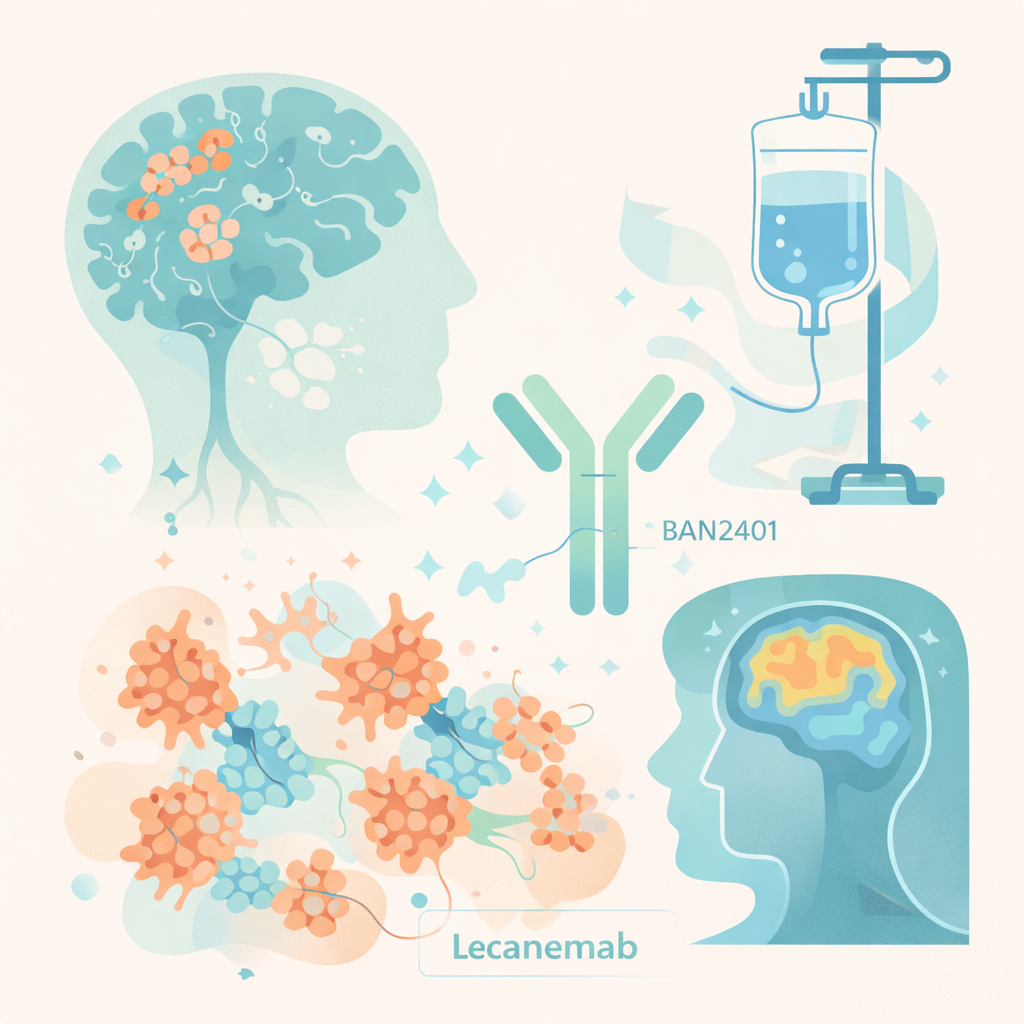
Foralumab: Intranasal Anti-CD3 Therapy in Neurodegeneration
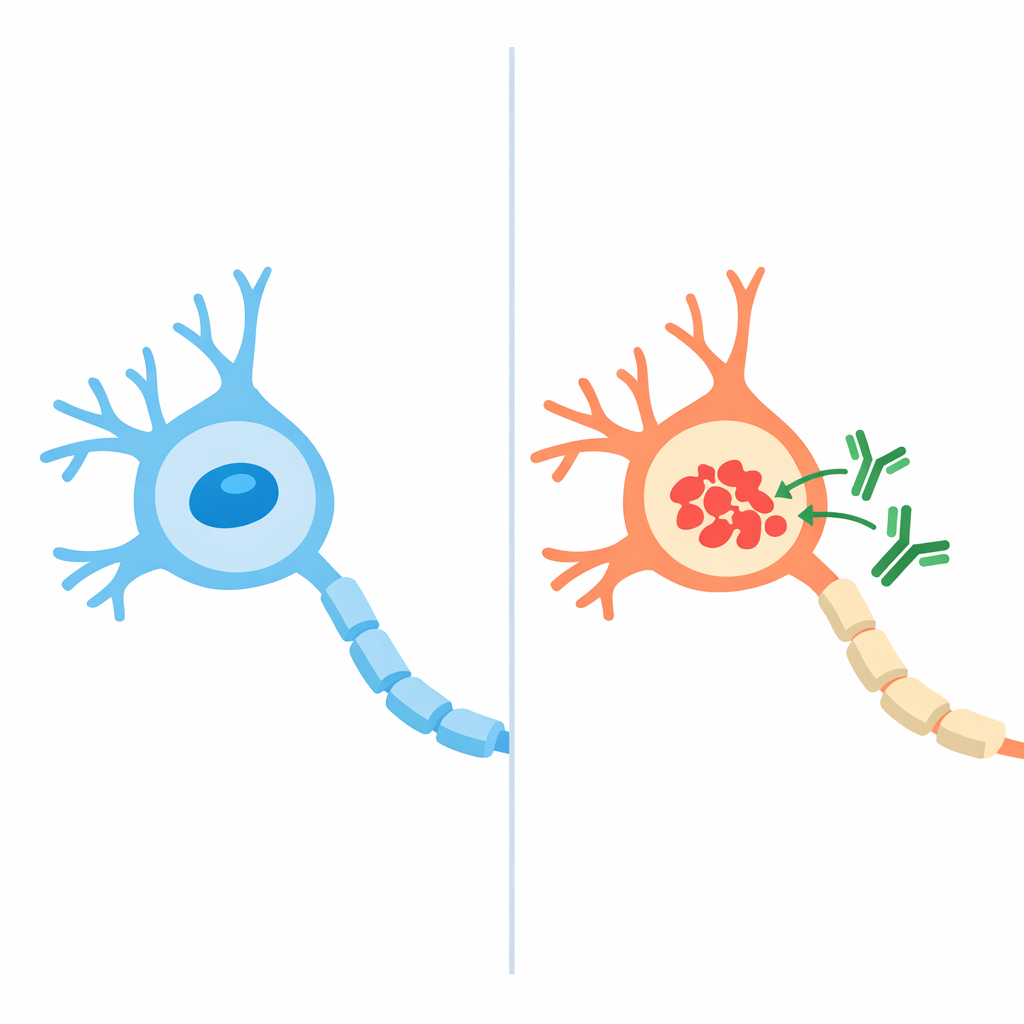
Explore the potential of Foralumab, an intranasal anti-CD3 antibody, in modulating neuroinflammation through Treg induction, with a focus on Alzheimer's disease and multiple sclerosis.
Clear, trustworthy reading on memory, the aging brain, and the science of what comes next.
Free to readWritten by a neurologist
Medicines in the pipeline and newly approved therapies — what they aim to do, what the trials show, and what remains uncertain.

Trontinemab offers a promising strategy for Alzheimer's by enhancing brain penetration of antibodies, potentially reducing amyloid-related imaging…

Laromestrocel distinguishes itself in Alzheimer's cell therapy by modulating the neurovascular-inflammatory environment, potentially impacting…

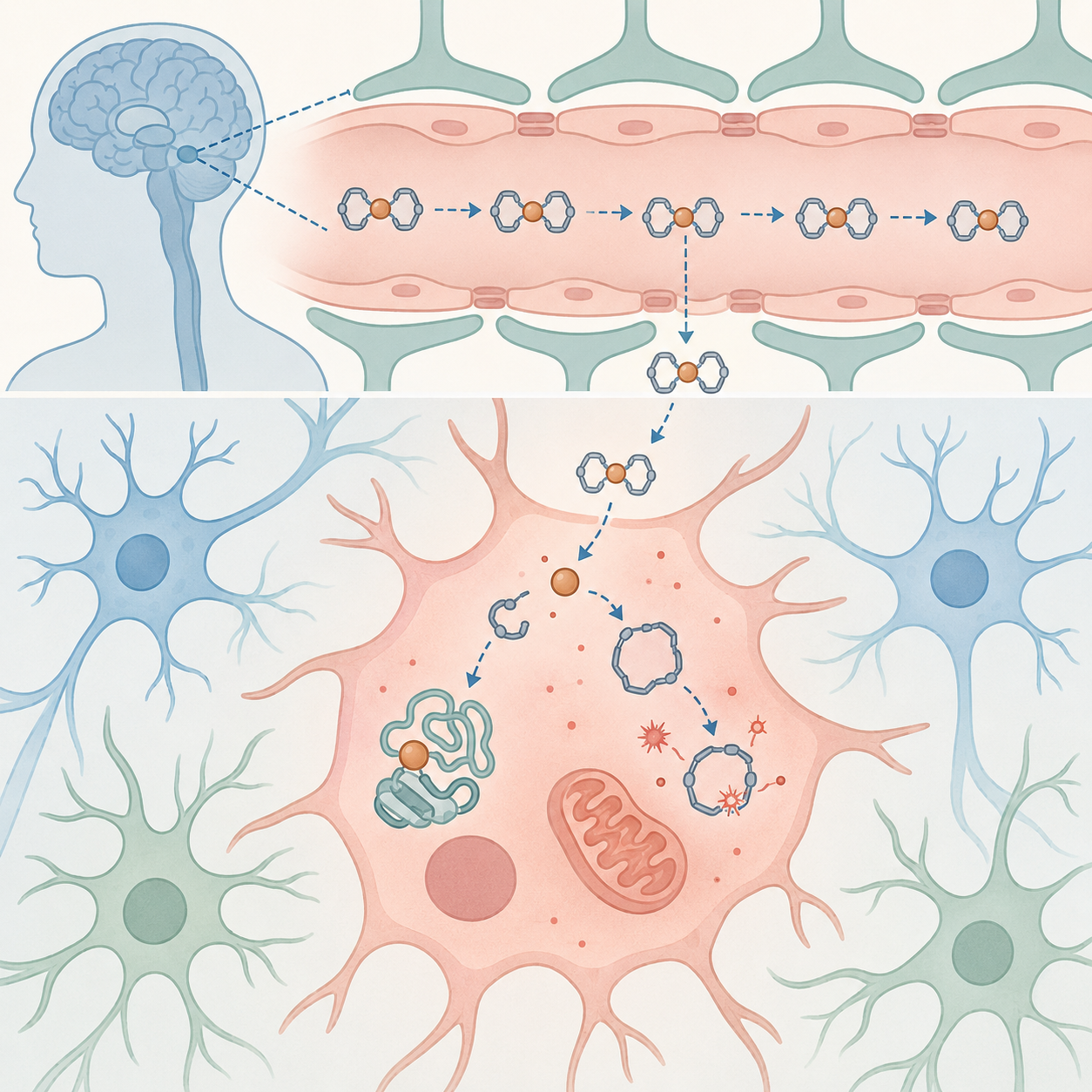
Cu(ATSM) and ferroptosis present promising strategies for Alzheimer's treatment by addressing the blood-brain barrier. This review is aimed at…

Anti-amyloid therapy should aim to stabilize the biological systems defining the disease, rather than merely removing plaques. Essential elements…

Alzheimer's disease treatments are evolving beyond their traditional focus on protein-centric strategies, such as reducing amyloid production and…

When asked if levetiracetam (Keppra) aids Alzheimer's, the inquiry is seldom about its role as a broad cognitive enhancer in dementia. It is even…

Opting out of disease-modifying therapies is a valid and often appropriate decision for many individuals and families. This choice may stem from…

This guide outlines the anti-amyloid therapy pathway, detailing the sequence of experiences, expectations, and necessary actions if symptoms arise.…

Kisunla (Donanemab), developed by Eli Lilly, is an antibody therapy for early symptomatic Alzheimer's disease. It targets amyloid plaques in the…

New Alzheimer's treatments offer hope by slowing the disease's biological process, rather than just addressing symptoms. However, these medications…

For those affected by early Alzheimer's disease, anti-amyloid therapies represent a significant scientific advancement. While these treatments can…

VTx-002, developed by VectorY Therapeutics, is a pioneering AAV-delivered vectorized antibody for amyotrophic lateral sclerosis (ALS). It targets and…

TB006 is a humanized IgG4 monoclonal antibody developed by TrueBinding, Inc. to treat Alzheimer's disease. Unlike traditional approaches, TB006…

Neflamapimod (VX-745) is an oral small-molecule inhibitor of p38alpha MAP kinase, developed by CervoMed Inc. It targets neurodegenerative disorders…

For years, Alzheimer's care emphasized coping rather than altering the disease. Understanding what treatments can and cannot do, how risks are…

Valiltramiprosate (ALZ-801) is a new treatment designed to modify toxic soluble amyloid species, targeting Alzheimer's disease progression. Unlike…

The treatment landscape for early Alzheimer's disease is changing rapidly. We are advancing from symptom management to therapies that target the…

Saracatinib (AZD0530) started as an ATP-competitive tyrosine kinase inhibitor targeting Src family and Abl kinases to disrupt pathological signaling.…

The therapeutic landscape of Alzheimer's disease is undergoing a significant transformation. Previously dominated by modest advances in symptomatic…

Remternetug (LY3372993) represents a new advancement in Alzheimer's treatment as a next-generation pyroglutamate-A monoclonal antibody. Over the past…

Alzheimer's disease presents a significant challenge in neurology, with existing therapies providing limited benefits and potential risks, such as…

The treatment landscape for early Alzheimer's disease is advancing with new therapies targeting amyloid-beta. Lecanemab (LEQEMBI), a humanized IgG1…

Chronic systemic inflammation is linked to Alzheimer's disease, with TNF inhibitors, hydroxychloroquine, and JAK inhibitors showing promise for…

In Alzheimer's models driven by amyloid- and tau, astrocytic IDO1 activation impairs neuron support by disrupting glycolysis and lactate production…

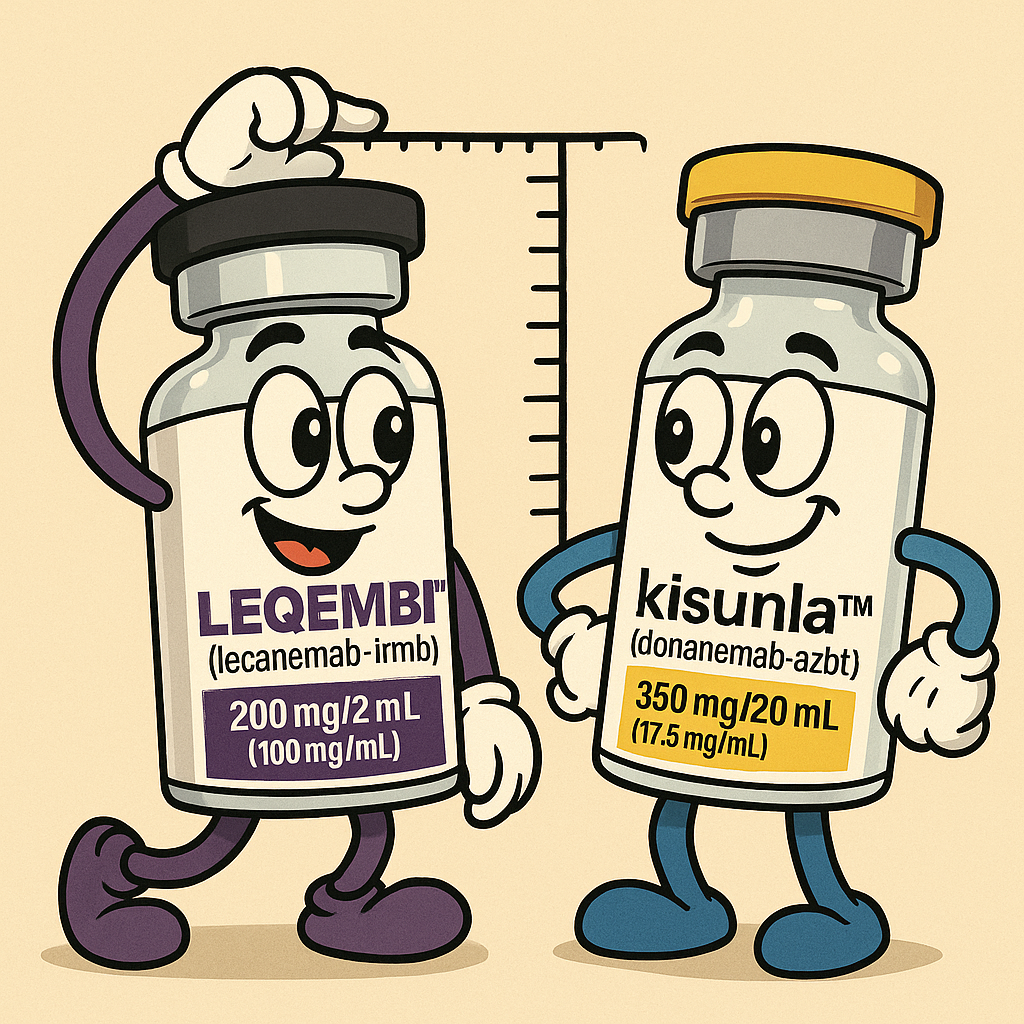
The FDA has approved Lecanemab (Leqembi) and Donanemab (Kisunla), marking progress in disease-modifying Alzheimer's treatments. Lecanemab targets…

Alzheimer's disease poses a global challenge, expected to impact 153 million people by 2050. Current treatments are symptomatic. While new monoclonal…

Monoclonal antibodies lecanemab and donanemab modestly slow cognitive decline in early Alzheimer's disease, marking a shift toward disease-modifying…

Monoclonal antibodies such as lecanemab and donanemab have changed Alzheimer's treatment by modestly slowing cognitive decline. They are most…

Alzheimer's disease (AD) is now recognized for its biological basis, detectable through biomarkers like amyloid and tau years before symptoms appear.…

Prasinezumab is an investigational monoclonal antibody targeting aggregated -synuclein in Parkinson's disease (PD). It aims to reduce neuronal…

Photobiomodulation (PBM) uses red or near-infrared light to boost cellular activity and mitochondrial function, potentially benefiting Alzheimer's…

Nilotinib, a leukemia drug, initially showed promise for Parkinson's by inhibiting c-Abl protein and affected cerebrospinal fluid biomarkers.…

Music therapy is a promising non-drug treatment for Alzheimer's, aiding in symptom relief, mood, and cognitive and social functions. It may boost…

The review highlights "chemobrain" as a major side effect of cancer treatments, affecting memory and attention. It calls for more research,…

The AHEAD 3-45 Study investigates early intervention with lecanemab to slow Alzheimer's progression during its preclinical phase. It includes two…

The RESTART trial, published in JAMA Neurology, studied antiplatelet therapy in intracerebral hemorrhage (ICH) survivors. Among 537 UK patients, 8.2%…

The study by Minhas et al. proposes targeting astrocytic metabolism via IDO1 inhibition as an Alzheimer's therapy, shifting focus from amyloid-beta…

The article explores long-term proton pump inhibitor (PPI) use, noting risks like nutrient deficiencies, renal disease, infections, dementia, and…

A 6-month follow-up of a phase 2 trial comparing psilocybin therapy and escitalopram for major depressive disorder found both treatments improved…

A multicenter, double-blind, placebo-controlled phase 3 trial assessed if ultrahigh-dose methylcobalamin (50 mg intramuscularly twice weekly) can…

The TRAILBLAZER-ALZ 2 study, published in *JAMA*, reveals that donanemab, a monoclonal antibody, slows cognitive decline by 35.1% in early…

The shift in Alzheimer's treatment emphasizes disease-modifying therapies, notably the FDA-approved lecanemab. It targets amyloid plaques and may…

Alzheimer's disease has few treatments to slow its progression. Lecanemab (BAN2401), a humanized IgG1 monoclonal antibody, targets soluble…