The AHEAD 3-45 Study is a major initiative designed to explore whether early intervention with lecanemab (BAN2401), an anti-amyloid monoclonal antibody, can slow the progression of Alzheimer's disease (AD) during its preclinical phase. This phase occurs long before clinical symptoms manifest, during which amyloid beta (Aβ) accumulates in the brain. The study is divided into two sister trials-A3 and A45-that focus on cognitively unimpaired individuals aged 55 to 80, with varying levels of brain amyloid. A3 targets those with intermediate amyloid levels, while A45 focuses on participants with elevated amyloid levels.
The study employs innovative recruitment methods, including using cohorts from international Alzheimer's prevention networks and screening with plasma biomarkers to identify individuals with likely elevated amyloid. This approach aims to reduce the need for invasive PET imaging and increase efficiency in recruiting participants for the trials. A3 is primarily a Phase 2 trial with PET imaging as its main endpoint, while A45 is a Phase 3 trial that focuses on cognitive outcomes. Both trials are designed to last four years, testing the efficacy of lecanemab in reducing amyloid burden and potentially delaying cognitive decline.
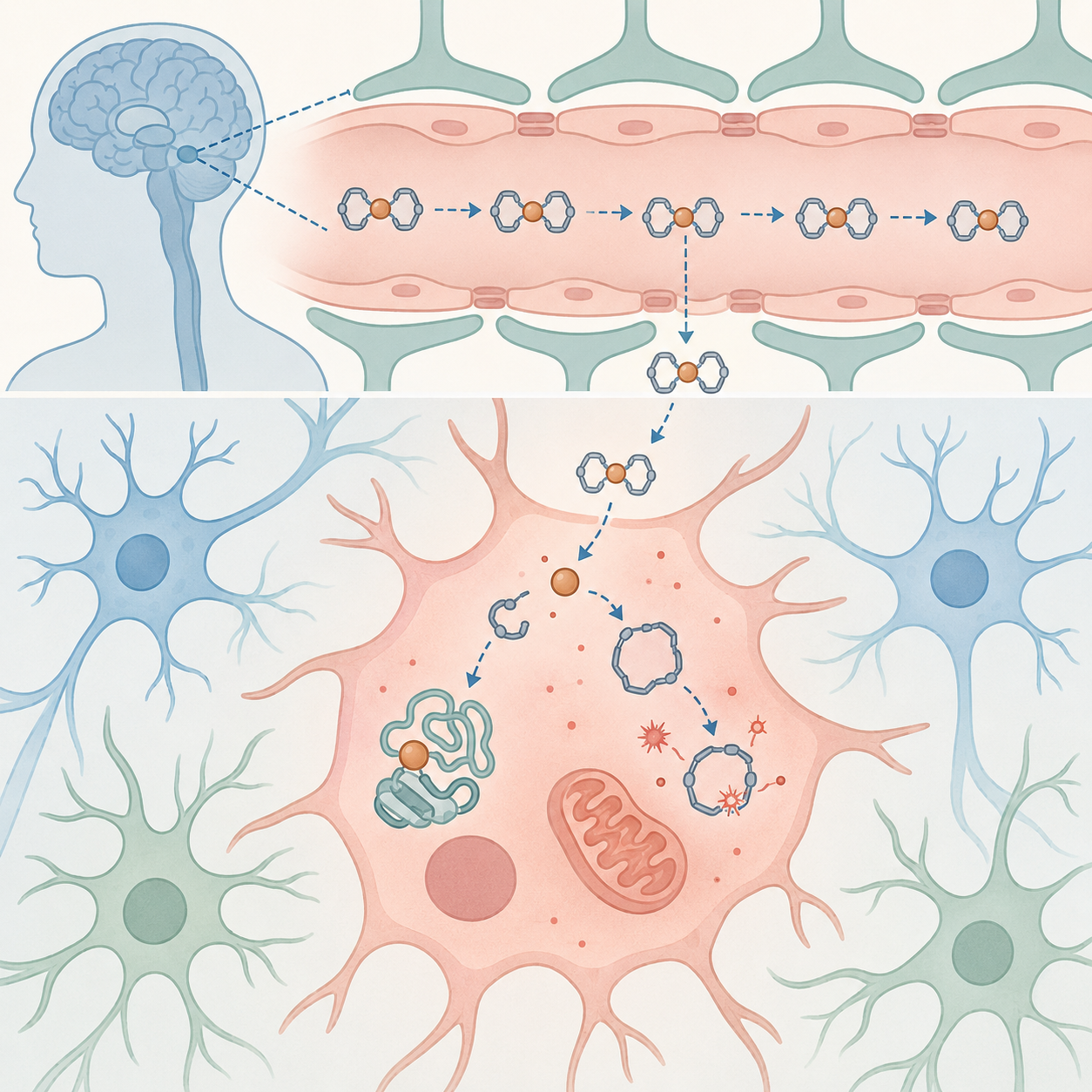
Lecanemab, the treatment under investigation, is a humanized antibody that selectively targets aggregated Aβ, a key component in Alzheimer's pathology. Previous studies have shown that it reduces brain amyloid and slows cognitive decline in individuals with early AD. The AHEAD 3-45 Study aims to build on this, evaluating whether starting treatment even earlier-before significant neurodegeneration occurs-can provide a more effective means of preventing Alzheimer's disease progression.
The study's design represents a comprehensive effort to address Alzheimer's at its earliest stages, integrating advanced biomarker technology, global recruitment strategies, and a robust study structure to assess both cognitive and biological outcomes. If successful, this trial could significantly shift how Alzheimer's disease is managed, emphasizing early intervention and providing new insights into the disease's pathophysiological progression.