Why it matters
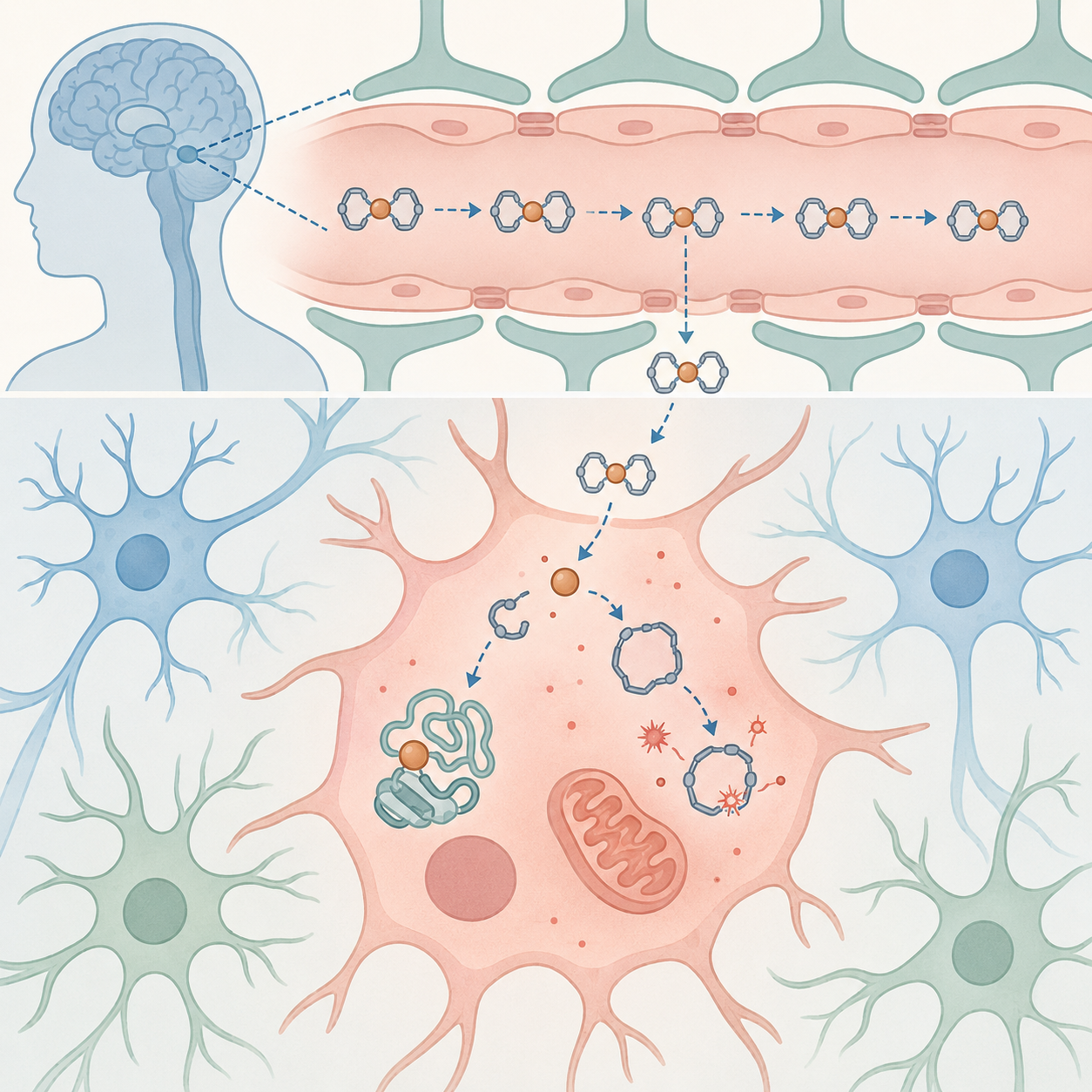
Trontinemab represents a significant advancement in Alzheimer's treatment by improving the delivery of antibodies across the blood-brain barrier (BBB). This novel approach may address the limitations of traditional anti-amyloid therapies, which often struggle with poor brain penetration and associated side effects.
Key concepts
Mechanism of Action
Trontinemab is a bispecific antibody that combines gantenerumab with an anti-TfR1 Fab, facilitating enhanced brain entry through receptor-mediated transcytosis. This mechanism allows for a more uniform distribution within the brain parenchyma.
Clinical Trials and Efficacy
In phase 1b/2a trials, trontinemab at 3.6 mg/kg achieved significant amyloid reduction, with 91-92% of participants reaching amyloid-negative status by week 28. However, clinical efficacy data are not yet available, with results expected from ongoing trials by 2028.
Safety Profile
While the incidence of ARIA-E is low (<5%), trontinemab's safety profile includes infusion reactions and transient anemia. A fatal macrohemorrhage in a high-risk patient highlights the need for careful patient selection.
Clinical application
Trontinemab's enhanced brain penetration could potentially reduce the systemic doses required for effective amyloid clearance, minimizing side effects associated with traditional therapies. However, its use is currently limited to clinical trials, with lecanemab and donanemab remaining the only evidence-based options.
Pearls & pitfalls
- Trontinemab's innovative delivery system may address the uneven distribution and vascular engagement issues seen with other antibodies.
- Safety concerns, particularly regarding ARIA and infusion reactions, require vigilant monitoring.
- Patient selection is crucial to minimize risks, especially in those with pre-existing cerebrovascular conditions.
- Continued research and trial results are necessary to establish clinical efficacy and long-term safety.