
Patients & Families
The MIND Diet and Brain Health
The MIND diet, developed in 2015, combines elements of the Mediterranean and DASH diets to boost brain health. It focuses on leafy greens and whole…

Clear, trustworthy reading on memory, the aging brain, and the science of what comes next.
Free to readWritten by a neurologist
The MIND diet, developed in 2015, combines elements of the Mediterranean and DASH diets to boost brain health. It focuses on leafy greens and whole…

This guide helps families understand Parkinson's disease, its symptoms, diagnosis, and management, focusing on maintaining quality of life.
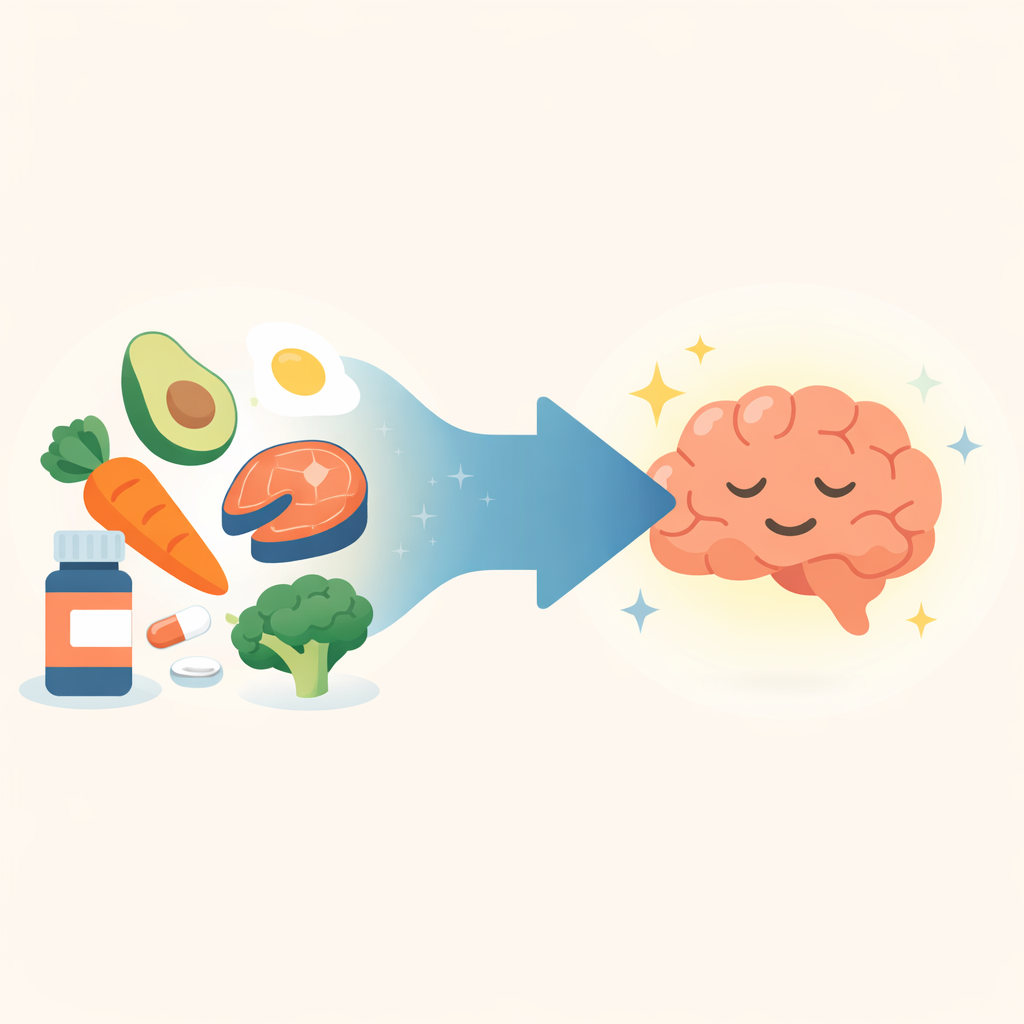
GLP-1 receptor agonists have significantly advanced metabolic medicine, but their appetite-suppressing effects pose risks for vulnerable groups. In…

Neurolongevity focuses on maintaining brain function, independence, and quality of life, rather than preventing aging or eliminating disease. It aims…
Over the past 30 years, nicotinamide adenine dinucleotide (NAD+) has transformed from a little-known biochemical substrate in dehydrogenase reactions…
The coenzyme Nicotinamide Adenine Dinucleotide (NAD+) is essential for electron transport, redox reactions, sirtuin and mono-ADP-ribosylation…

Women's brain health deserves special attention as they face unique challenges during menopause when estrogen levels decline, impacting brain energy…
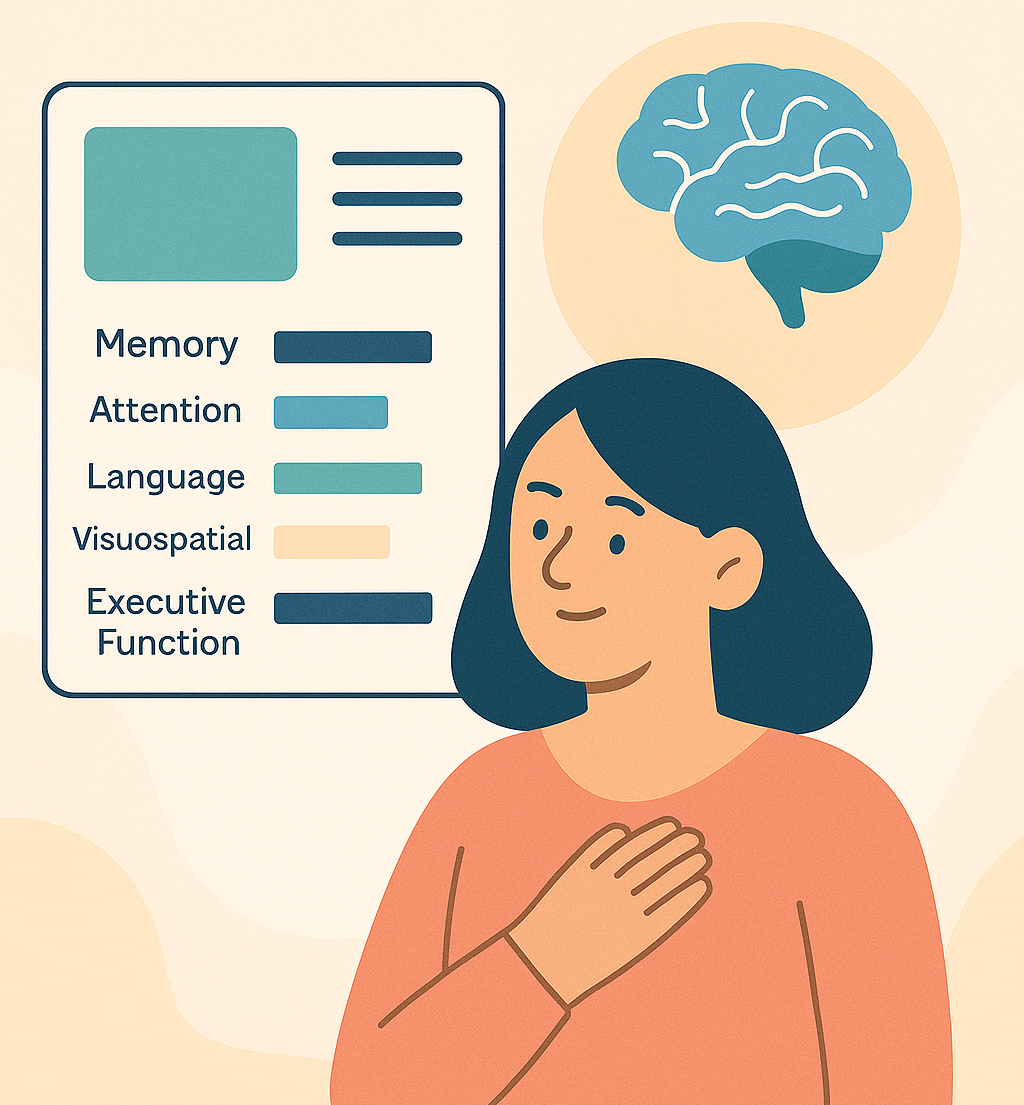
The neurocognitive report assesses brain functions like memory, attention, language, visuospatial skills, and executive function against age and…

The APOE gene, with variants E2, E3, and E4, influences fat processing and brain health. APOE-E4 raises the risk of Alzheimer's and heart disease.…
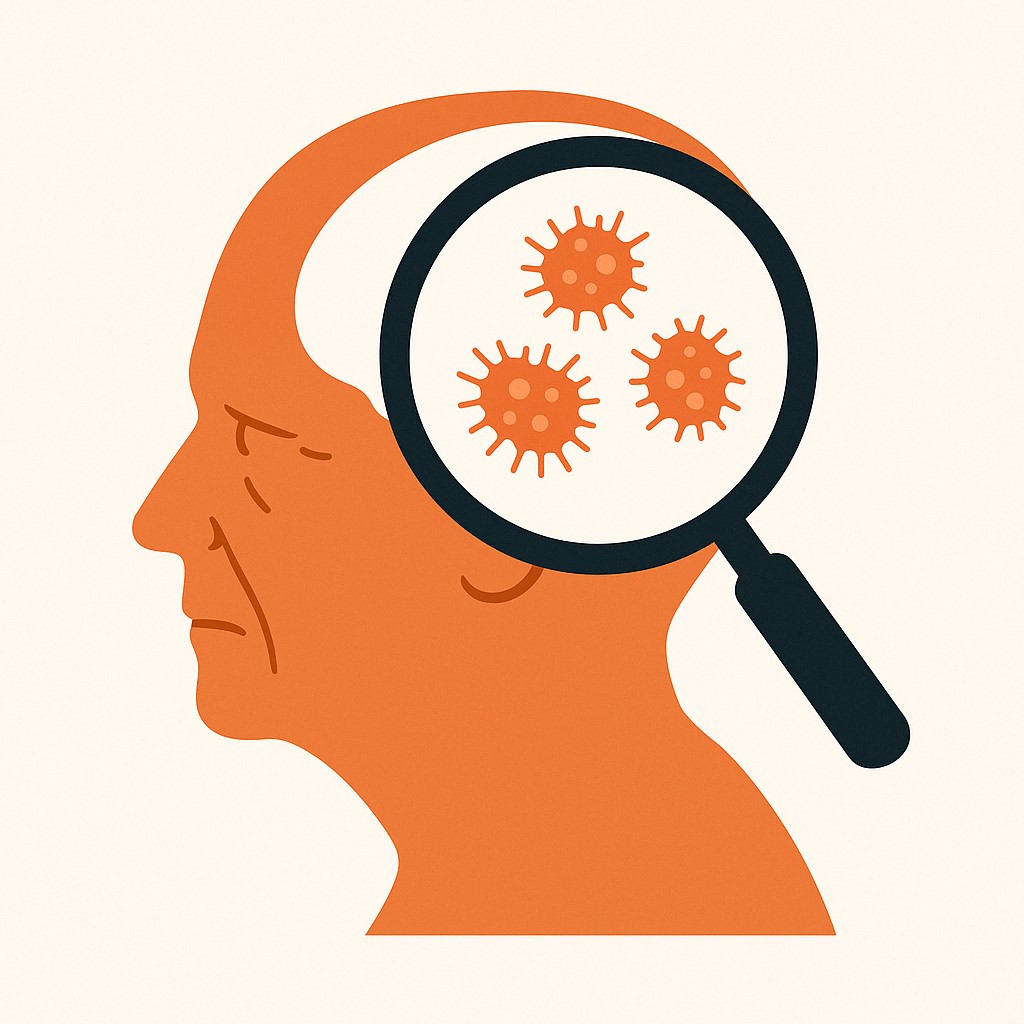
Alzheimer's disease (AD) is now recognized for its biological basis, detectable through biomarkers like amyloid and tau years before symptoms appear.…
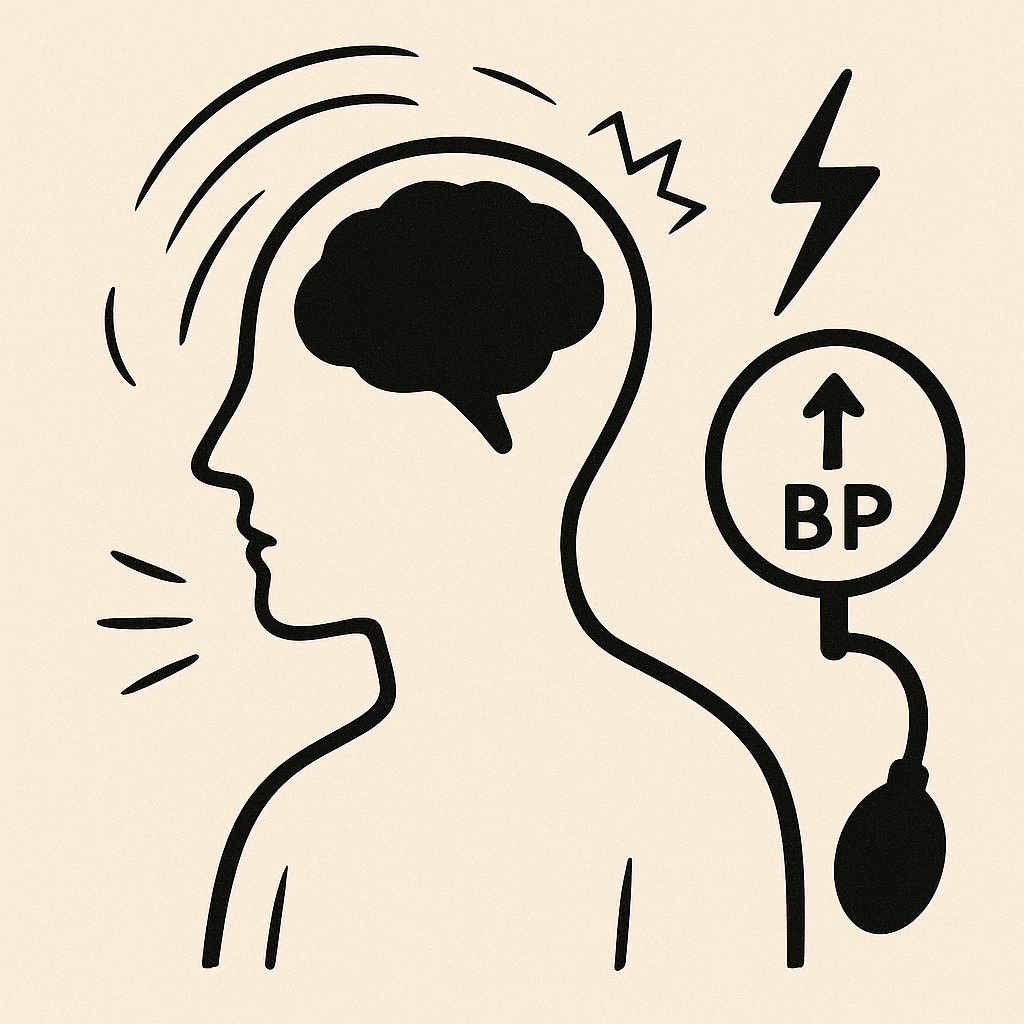
Multiple System Atrophy (MSA) is a rare, progressive neurodegenerative disorder affecting the autonomic system and movement, resembling Parkinson's.…

Multiple System Atrophy (MSA) is a rare, fatal neurodegenerative disorder marked by -synuclein buildup, causing parkinsonism, cerebellar symptoms,…

Long COVID can lead to "brain fog," characterized by slow thinking and memory problems. Causes include severe initial infection, ongoing…

Parkinson's Disease Dementia (PDD) affects cognition, behavior, and movement due to Lewy bodies, causing memory and motor issues, hallucinations, and…

Progressive Supranuclear Palsy (PSP) is a rare brain disorder caused by tau protein buildup, affecting movement, balance, vision, speech, and…

The motor and sensory domain involves movement and sensation, controlled by the motor cortex, somatosensory cortex, cerebellum, and basal ganglia.…
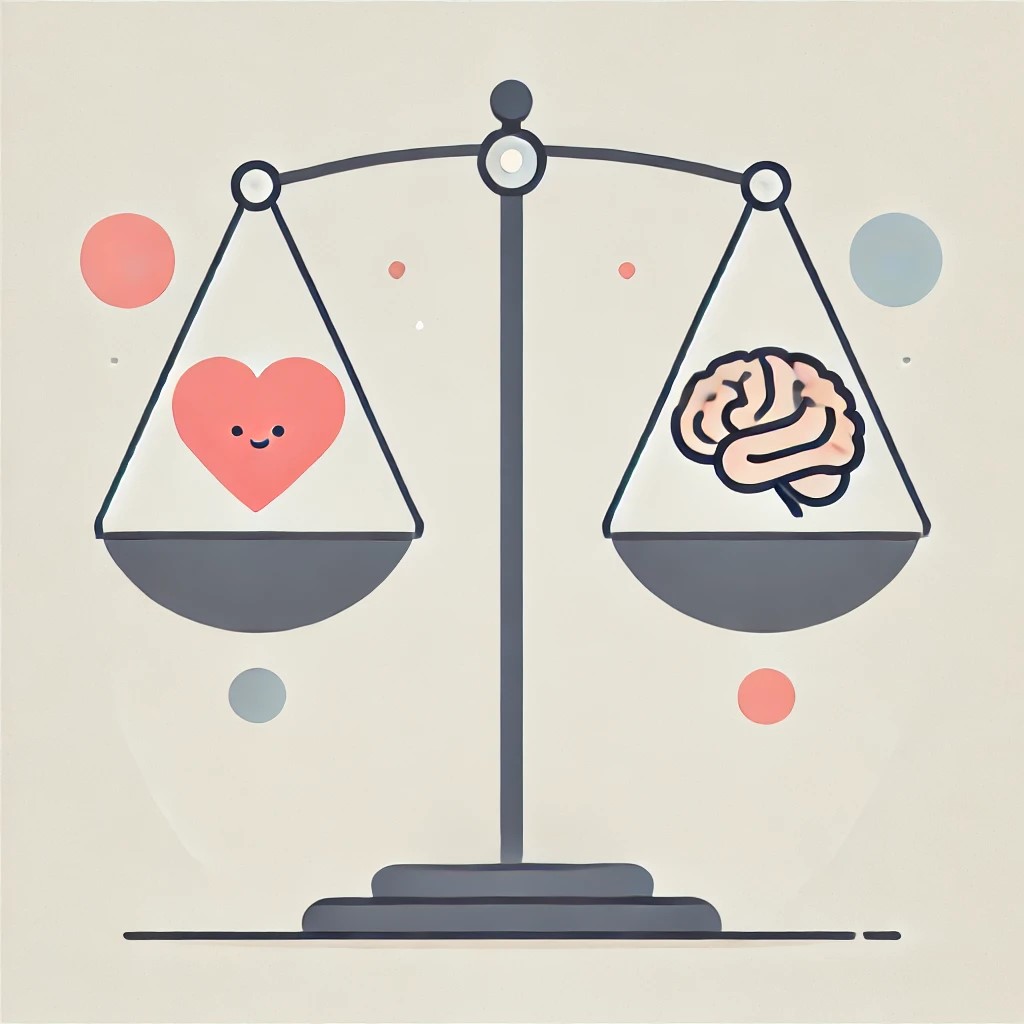
The social, emotional, and behavioral domain involves brain areas such as the prefrontal cortex and amygdala, influencing empathy and impulse…

The attention and concentration domain involves brain areas like the frontal and parietal lobes, thalamus, and anterior cingulate cortex. Impairments…
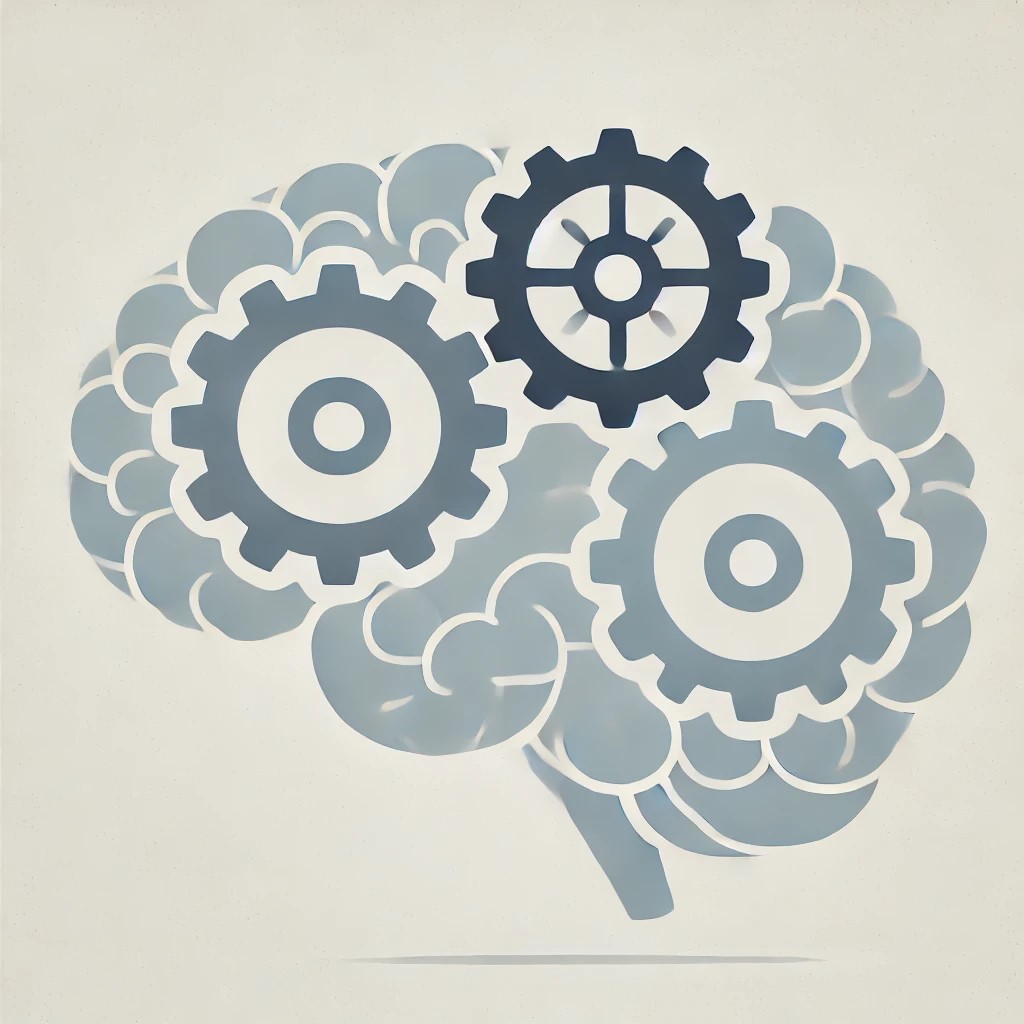
Executive function, crucial for managing thoughts, actions, and emotions, is mainly localized in the prefrontal cortex. Impairment affects…

Memory involves storing, retaining, and retrieving information, primarily in the hippocampus and assisted by the prefrontal cortex. Impairments range…

The 2011 revised criteria for diagnosing behavioral variant frontotemporal dementia (bvFTD) aim to improve early and accurate diagnosis. Developed by…
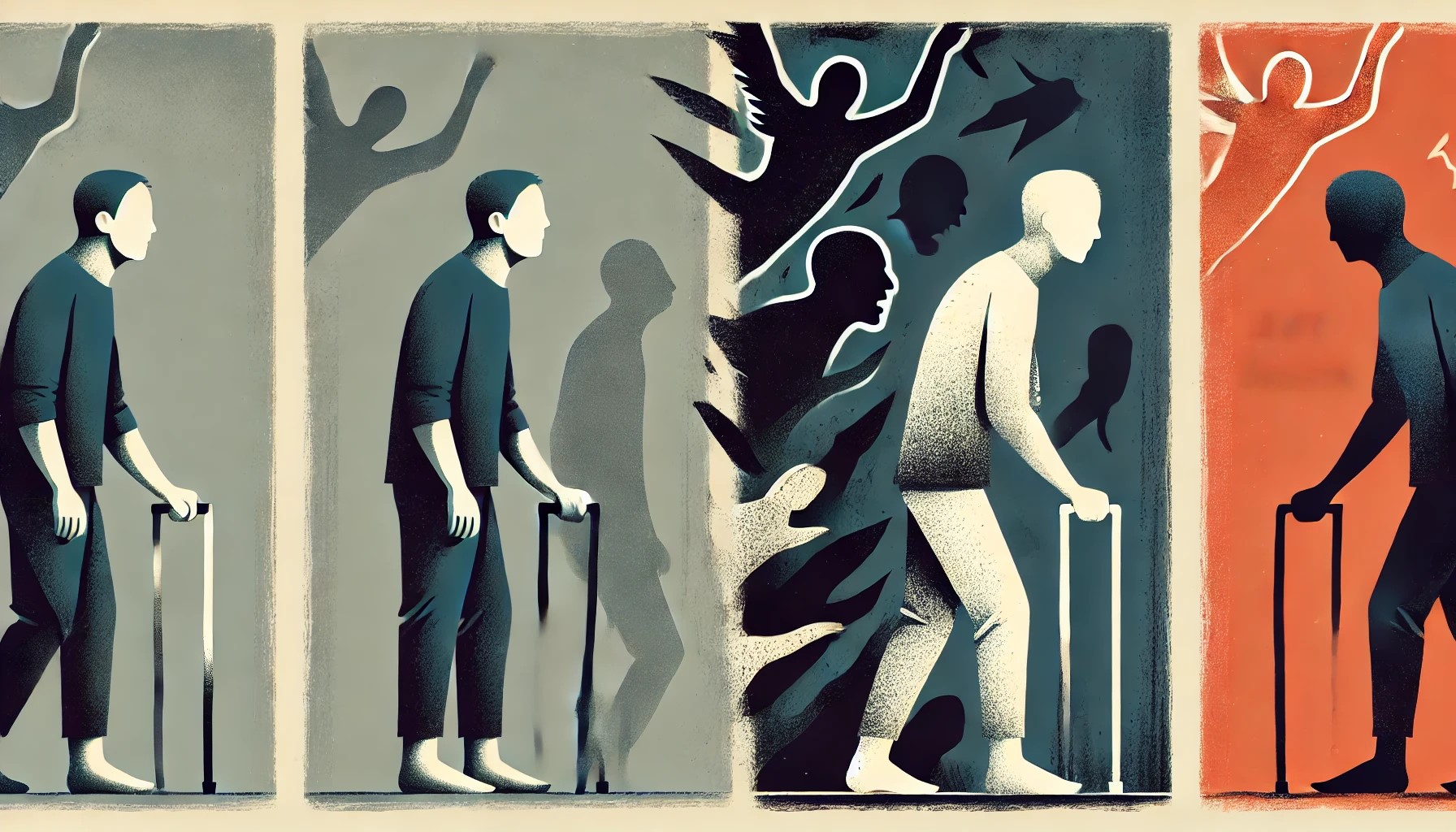
Dementia with Lewy body disease (DLB) impacts cognition, behavior, and movement due to alpha-synuclein buildup, with symptoms like focus issues,…

Wernicke-Korsakoff Syndrome (WKS) is a neurological disorder caused by thiamine deficiency, often associated with malnutrition. It includes…

Corticobasal syndrome (CBS) is a neurological condition impacting movement and language, causing muscle stiffness, tremors, coordination issues, and…

In early Alzheimer's, individuals stay independent but need help with planning. Care partners are vital in daily tasks, fostering independence, and…

Individuals with logopenic variant primary progressive aphasia (lvPPA) experience progressive word-finding and speech difficulties, impacting…

Nonfluent variant primary progressive aphasia (nfvPPA) is a neurological condition characterized by gradual speech and language impairments,…

Semantic variant primary progressive aphasia (svPPA) is a neurological condition that progressively impairs language and communication, often leading…
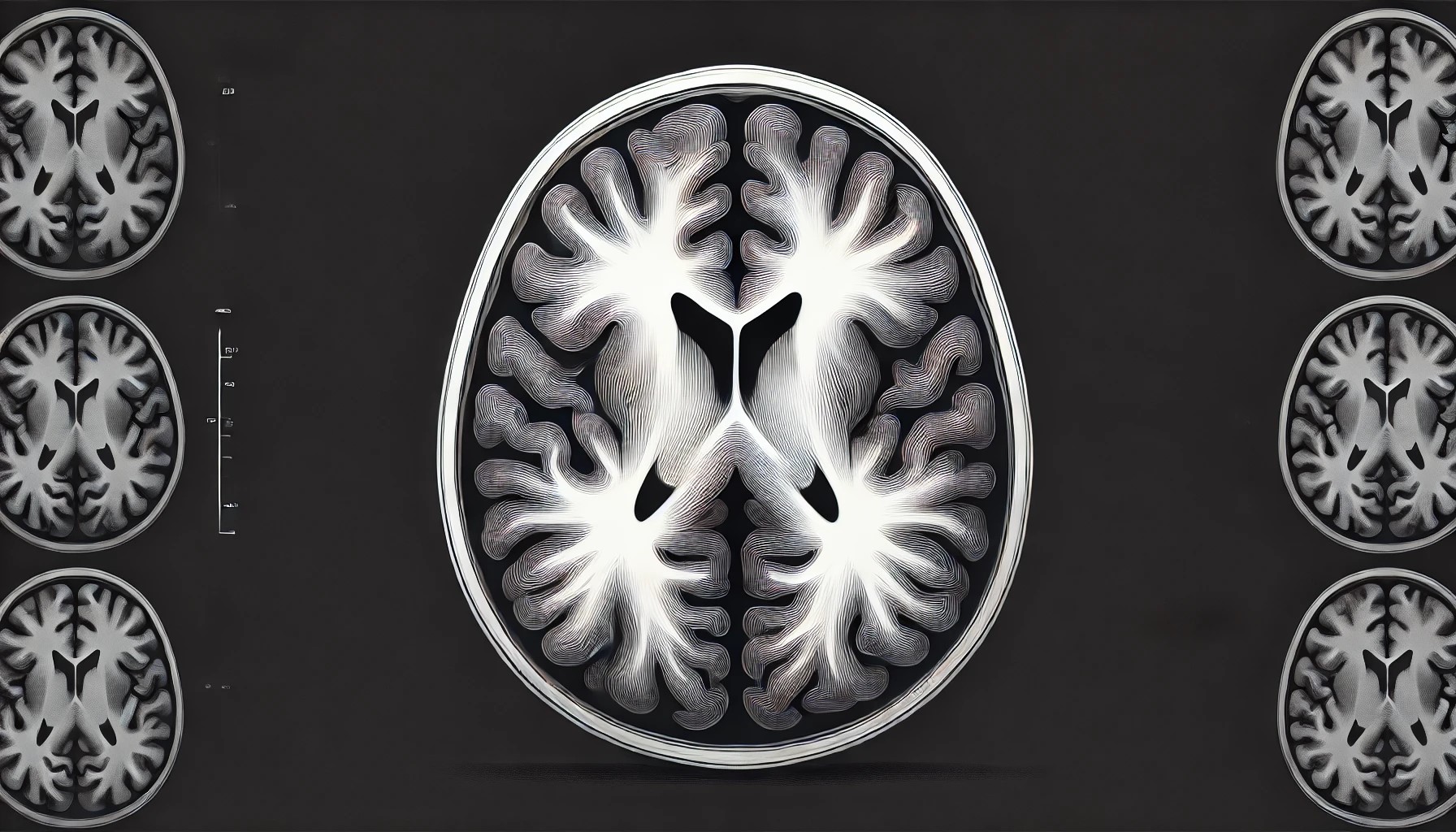
Vascular dementia results from reduced brain blood flow, causing cognitive decline with symptoms like memory loss, speech issues, and balance…

Frontotemporal Dementia (FTD) is a progressive brain disorder affecting behavior, language, and motor skills due to degeneration of the frontal and…

Alzheimer's disease is a form of dementia with symptoms like memory loss, cognitive decline, and behavioral changes. It progresses from mild…

Mild Cognitive Impairment (MCI) involves noticeable memory deficits that don't hinder daily activities but can progress to conditions like…