What is it?
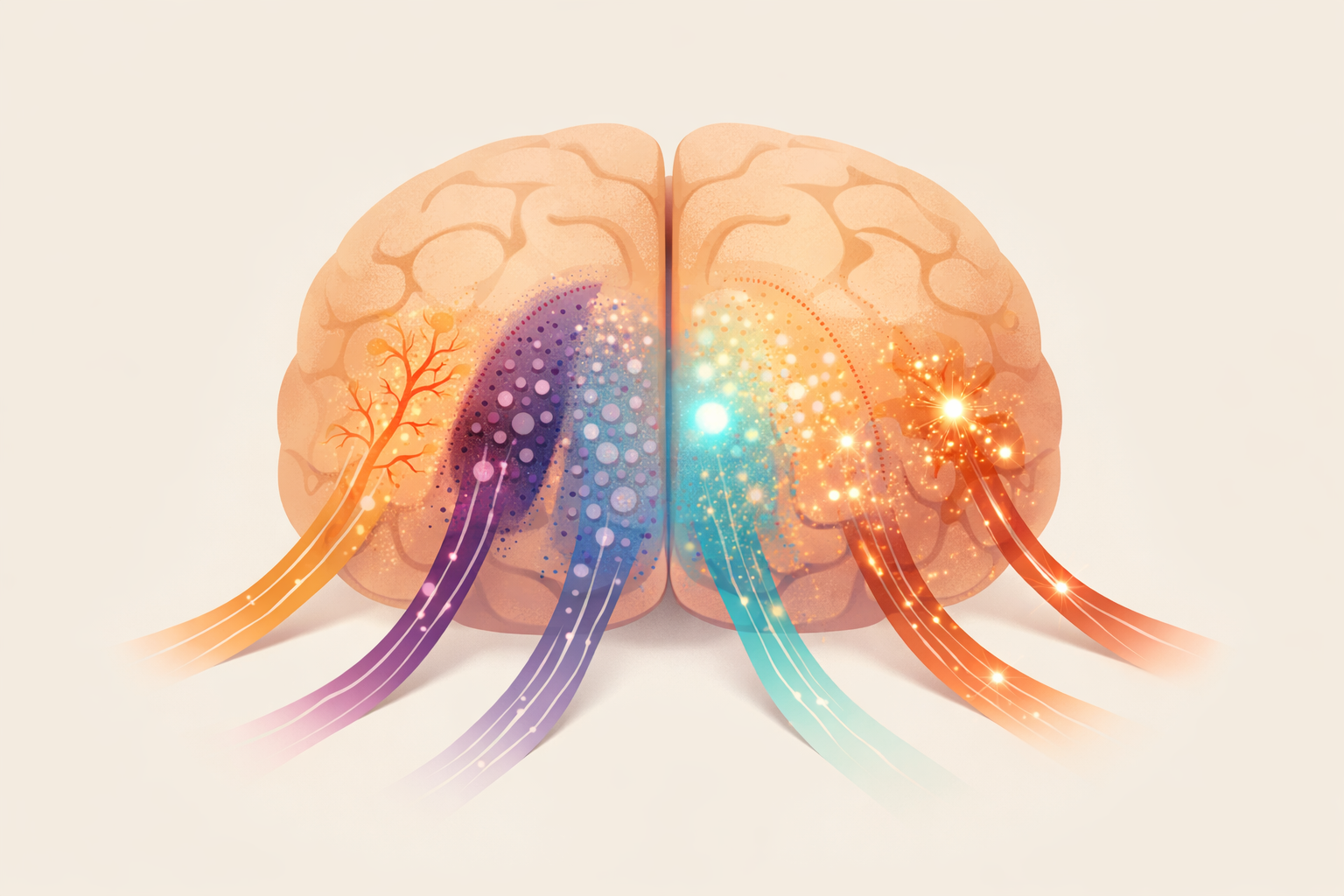
Parkinson's disease is a chronic, progressive neurological disorder primarily affecting motor function due to the degeneration of dopamine-producing neurons in the substantia nigra, a critical region of the brain for movement control. This loss of dopamine disrupts the balance of neurotransmitters, leading to the hallmark symptoms of Parkinson's. While motor symptoms are predominant, non-motor symptoms such as mood disturbances, sleep disorders, and autonomic dysfunctions are also significant and can impact quality of life. Unlike Parkinson's Disease Dementia (PDD), this form of Parkinson's does not involve significant cognitive impairment, although mild cognitive changes may occur.
The etiology of Parkinson's disease is multifactorial, involving a complex interplay of genetic predispositions and environmental exposures. Genetic factors include mutations in genes such as LRRK2, PARK7, and SNCA, while environmental factors may involve exposure to pesticides and heavy metals. The pathological hallmark of Parkinson's is the accumulation of alpha-synuclein protein aggregates, known as Lewy bodies, within neurons. These aggregates contribute to neuronal dysfunction and death, further exacerbating the disease process.
Parkinson's disease predominantly affects older adults, with incidence rates increasing with age, particularly after 60 years. Epidemiological studies indicate a higher prevalence in men compared to women, which may be attributed to differences in hormonal influences or genetic susceptibility. A positive family history of Parkinson's and exposure to environmental toxins are recognized risk factors that may increase an individual's likelihood of developing the disease.
From a mechanistic perspective, the degeneration of dopaminergic neurons in the substantia nigra pars compacta leads to a cascade of neurochemical changes in the basal ganglia circuitry. This disruption affects the direct and indirect pathways, resulting in the characteristic motor symptoms. The direct pathway, which facilitates movement, becomes underactive, while the indirect pathway, which inhibits movement, becomes overactive. This imbalance contributes to the bradykinesia and rigidity observed in patients. Additionally, non-motor symptoms are thought to arise from widespread neurodegeneration affecting serotonergic, noradrenergic, and cholinergic systems, further complicating the clinical picture.
Signs to look for
The clinical presentation of Parkinson's disease is heterogeneous, with symptoms varying in onset, severity, and progression among individuals. The cardinal motor symptoms include:
- Tremors: Typically resting tremors that begin unilaterally, often in the hand or arm, and may progress to other body parts. These tremors are characterized by a 'pill-rolling' motion and are exacerbated by stress or fatigue.
- Bradykinesia: A hallmark feature, bradykinesia manifests as a generalized slowness of movement, affecting daily activities such as dressing, eating, and writing. It contributes significantly to disability in Parkinson's patients.
- Rigidity: Muscle stiffness or inflexibility, often described as a 'lead-pipe' or 'cogwheel' resistance during passive movement of the limbs. Rigidity can lead to discomfort and reduced range of motion.
- Postural Instability: Impaired balance and coordination, increasing the risk of falls. This symptom typically emerges in the later stages of the disease and is a major cause of morbidity.
Non-motor symptoms, although less visible, are equally impactful and include:
- Sleep Disorders: These encompass a range of issues such as insomnia, REM sleep behavior disorder, and excessive daytime sleepiness. Sleep disturbances can exacerbate other Parkinson's symptoms and affect overall well-being.
- Mood Changes: Depression and anxiety are prevalent, often preceding motor symptoms. These mood disorders may result from neurochemical changes in the brain and significantly affect quality of life.
- Autonomic Issues: Dysfunctions such as constipation, orthostatic hypotension, and urinary incontinence are common, reflecting the involvement of the autonomic nervous system in Parkinson's pathology.
It's important to recognize that the variability in symptom presentation can lead to challenges in early diagnosis. For instance, tremors may be absent in some patients, leading to misdiagnosis or delayed diagnosis. Furthermore, the presence of non-motor symptoms like depression or sleep disturbances may precede motor symptoms by several years, serving as early indicators of the disease. The heterogeneity in symptomatology underscores the need for a comprehensive clinical evaluation to accurately diagnose and manage Parkinson's disease.
How it is diagnosed
Diagnosing Parkinson's disease is primarily clinical, relying on a comprehensive neurological examination and detailed patient history. The absence of a definitive diagnostic test necessitates a careful evaluation of symptoms and exclusion of other conditions with similar presentations. The UK Parkinson's Disease Society Brain Bank Clinical Diagnostic Criteria are often employed, requiring the presence of bradykinesia and at least one of the following: muscular rigidity, resting tremor, or postural instability.
Imaging studies, such as MRI or DaTscan (dopamine transporter scan), may be utilized to exclude other neurodegenerative disorders or atypical parkinsonism. DaTscan can provide supportive evidence by visualizing dopamine transporter activity in the brain, although it is not diagnostic of Parkinson's disease itself. The response to dopaminergic medications, particularly levodopa, can also aid in diagnosis, as a positive response is indicative of Parkinsonian syndromes.
Early and accurate diagnosis is crucial for effective management and can significantly influence the course of the disease. Patients are encouraged to report all symptoms, including non-motor ones, to their healthcare provider to ensure a holistic understanding of their condition.
In addition to the clinical criteria, differential diagnosis is essential to distinguish Parkinson's disease from other parkinsonian syndromes such as multiple system atrophy, progressive supranuclear palsy, and corticobasal degeneration. These conditions may present with overlapping symptoms but have distinct pathophysiological mechanisms and treatment responses. For example, atypical parkinsonian disorders often exhibit poor response to levodopa and may present with early autonomic dysfunction or rapid progression, which can aid in differentiation.
Treatment and what to expect
While no cure exists for Parkinson's disease, a multidisciplinary approach can effectively manage symptoms and improve quality of life. Treatment strategies are tailored to individual needs and may include pharmacological, surgical, and supportive therapies.
- Medications: Levodopa remains the cornerstone of treatment for motor symptoms, often administered with carbidopa to enhance its efficacy and reduce peripheral side effects. Dopamine agonists, such as pramipexole and ropinirole, mimic dopamine's effects and may be used in early or adjunctive therapy. MAO-B inhibitors, like selegiline and rasagiline, help prolong dopamine activity by inhibiting its breakdown.
- Deep Brain Stimulation (DBS): A surgical option for patients with advanced Parkinson's whose symptoms are inadequately controlled by medication. DBS involves implanting electrodes in specific brain regions to modulate neural activity, offering significant improvement in motor function and quality of life.
- Therapies: Physical therapy focuses on enhancing mobility, strength, and balance, while occupational therapy assists in adapting daily activities to maintain independence. Speech therapy addresses communication and swallowing difficulties, which are common in advanced stages.
Regular follow-ups with a neurologist and the healthcare team are essential to monitor disease progression and adjust treatment plans as needed. Patients and caregivers should be proactive in discussing any changes in symptoms or side effects to optimize management strategies.
The choice of treatment is influenced by the stage of the disease, the severity of symptoms, and patient preferences. For instance, younger patients may benefit from dopamine agonists to delay the onset of levodopa-related motor complications, such as dyskinesias. In contrast, older patients or those with more severe symptoms may require immediate initiation of levodopa therapy. The timing of surgical interventions like DBS is also critical, as it is most effective when performed before the onset of severe disability.
Day-to-day tips
- Engage in regular physical activity, such as walking, swimming, or tai chi, to maintain physical fitness and reduce the risk of falls. Exercise has been shown to improve motor symptoms and overall well-being.
- Ensure home safety by removing tripping hazards, installing grab bars, and using assistive devices as needed. A safe environment can prevent falls and injuries.
- Participate in enjoyable activities and social interactions to enhance mood and reduce stress. Hobbies, support groups, and community events can provide emotional support and improve quality of life.
- Establish a consistent sleep routine and create a restful environment to improve sleep quality. Avoid stimulants like caffeine and heavy meals before bedtime.
- Maintain hydration and a balanced diet rich in fiber to manage constipation, a common non-motor symptom. Nutritional adjustments can alleviate gastrointestinal issues and improve overall health.
- Stay informed about Parkinson's disease through reputable sources and engage with healthcare providers to recognize symptoms early and access appropriate treatments.
Day-to-day management of Parkinson's disease involves a combination of lifestyle modifications and proactive symptom management. For example, regular exercise not only improves physical function but also has neuroprotective effects, potentially slowing disease progression. Engaging in cognitive activities, such as puzzles or reading, may help mitigate cognitive decline. Additionally, maintaining social connections and participating in community activities can combat isolation and depression, common challenges faced by Parkinson's patients.
When to call the doctor
Regular communication with your healthcare provider is vital for effective Parkinson's management. Contact your doctor if you experience new or worsening symptoms, such as increased difficulty with movement, balance, or mood changes. Additionally, report any side effects from medications or concerns about your treatment plan. Early intervention can prevent complications and enhance quality of life.
Patients should be vigilant about changes in their condition and seek medical advice if they notice signs of medication side effects, such as hallucinations or impulse control disorders, which can occur with dopamine agonists. Sudden changes in mobility, such as freezing of gait, or the development of new symptoms, like dyskinesias, warrant prompt evaluation. Regular follow-up appointments allow for timely adjustments to treatment regimens and provide an opportunity to address any concerns.
Questions to ask your care team
- What are the most effective treatment options for my specific symptoms, and how can they be optimized over time?
- How can I manage potential side effects of medications, and what should I do if they occur?
- What lifestyle modifications can support my well-being and help me live better with Parkinson's?
- Are there local or online support groups and resources you recommend for additional support and information?
- How frequently should I schedule follow-up appointments to monitor my condition and adjust treatments?
This guide is general information and does not replace advice from your own clinician.