The Birth of Two Specialties
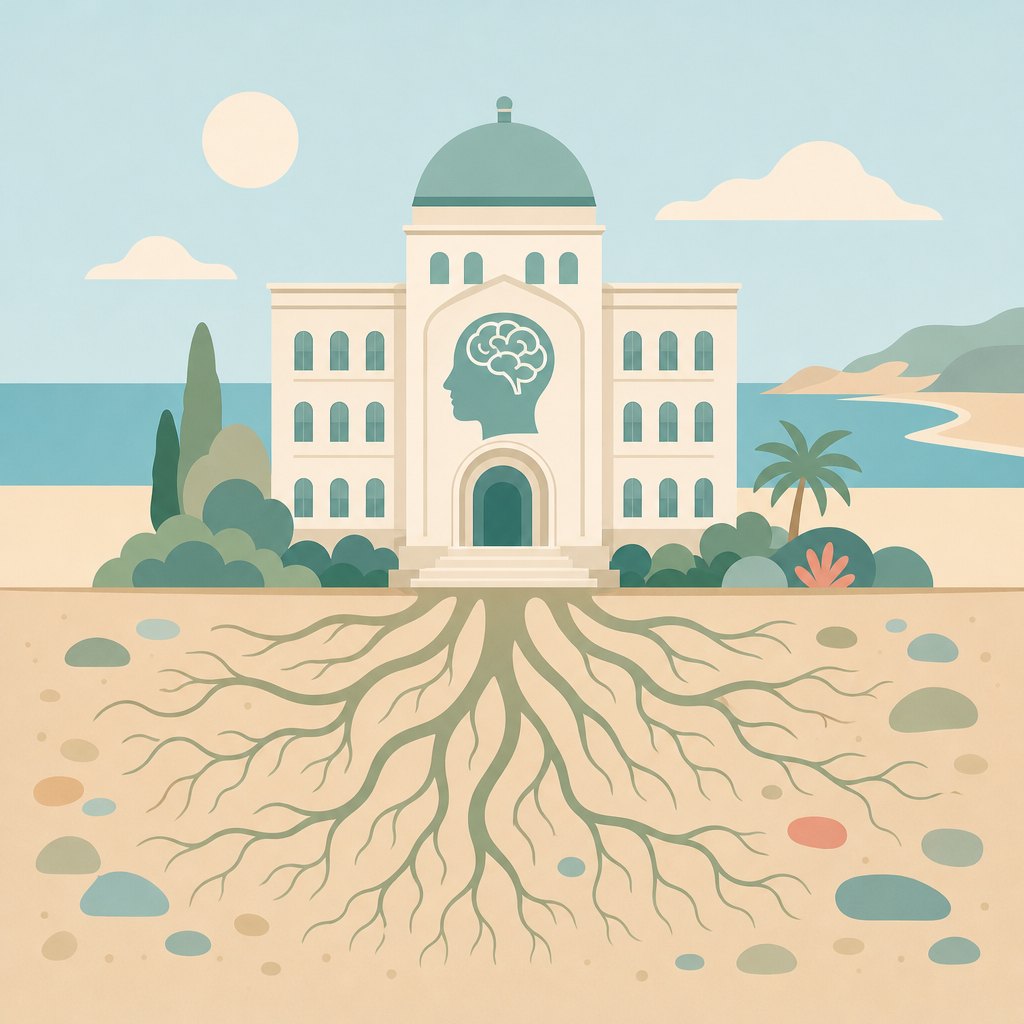
The late 19th century marked a pivotal moment in the evolution of neurology and psychiatry as distinct medical specialties. This period was characterized by the emergence of psychiatry from the institutional model of asylums and neurology from the battlefield hospitals of the Civil War. Psychiatry's institutional roots were deeply embedded in the asylum system, which provided a setting for the observation and classification of mental disorders. This environment fostered the development of moral therapy, a novel treatment approach that emphasized a safe, orderly environment and productive work for the mentally ill.
In contrast, neurology was born from the need to address the injuries sustained during the Civil War. The field hospitals provided natural experiments for localizationist neurology, correlating lesions with deficits. Neurologists, such as S. Weir Mitchell and William Alexander Hammond, emerged from this environment with a methodical approach to nervous diseases, establishing neurology as a distinct specialty.
Despite their shared focus on the brain, the two fields diverged due to differences in patient populations and treatment settings. Neurology catered to ambulatory, often affluent patients with nervous complaints, while psychiatry dealt with severely ill, often impoverished patients in asylums. This division was not based on scientific theory but rather on socio-economic factors and chronicity of illness.
Psychiatry's foundation was built on the institutional model of asylums, deeply rooted in its history. Western psychiatry did not emerge from a laboratory. It emerged from a building. Its birth over the late eighteenth and early nineteenth centuries depended on three converging shifts: madness was reconceived as illness rather than spiritual affliction; humoral theory gave way to the brain and nerves as the seat of mental disorder; and the asylum arose as a dedicated institution. That third development was decisive, because only inside institutions could physicians observe large numbers of the mentally ill at once — the precondition for specialized clinical vocabularies and new systems of classification. The decline of purging, bleeding, and emetics left a therapeutic vacuum, and into it came the young specialty's first genuinely novel treatment: moral therapy.
Moral treatment, originating with Pinel in France and Tuke in England in the late 1700s, held that a person deemed insane could be restored to reason and returned to the community if given a safe, orderly, pleasant environment and productive work. In America, the philosophy fueled an extraordinary institutional expansion. By 1875, seventy-one mental hospitals had opened across thirty-two states. A "cult of curability" took hold, with asylum managers reporting annual recovery rates above 70 percent.
The superintendents of these institutions were, in the most literal sense, the rulers of small self-sufficient towns. They controlled admissions, staffing, budgets, farms, and — critically — a patronage system of jobs that made them extremely useful friends to state legislators.
On October 16, 1844, thirteen of them met in Philadelphia for four days and founded the Association of Medical Superintendents of American Institutions for the Insane. It was the first national medical society in the United States, predating the American Medical Association by three years. It became the American Medico-Psychological Association in 1892 and the American Psychiatric Association in 1921. Its journal, the American Journal of Insanity, became the American Journal of Psychiatry.
These men were not the anti-intellectual caricatures their opponents would later draw. They developed elaborate theories of individual psychology and the nature of the self, heavily inflected by Protestant religious thought, including a concept of a central governing agency of the self that anticipates later ego psychology by decades.
But the cult of curability collapsed. Asylums grew overcrowded, chronicity accumulated, and therapeutic institutions became custodial ones. The numbers are brutal in retrospect: at the Willard Asylum in New York, of roughly eight thousand people admitted between 1869 and 1900, only about 18 percent were ever discharged. The rest stayed until they died.
By 1878, when the neurologists opened fire, the asylum system was genuinely failing. That fact is what gave their attack its moral force — and it is the part of the story that the "turf war" framing tends to bury.
American neurology was born in the field hospitals of the Civil War. Gunshot wounds to peripheral nerves and spinal cord produced, in industrial quantities, precisely the natural experiments a localizationist neurology required: a lesion here, a deficit there. General practitioners who served in the army medical departments emerged four years later as practicing neurologists, and the specialty was born with a working method — correlate the lesion with the sign — that succeeded spectacularly at the things it succeeded at.
Two figures dominated. S. Weir Mitchell operated a hospital for nervous diseases in Philadelphia from 1862. And William Alexander Hammond (1828–1900) rose to become Surgeon General of the United States Army. Between them, they placed neurology on the American medical map.
Hammond's institutional achievements were foundational and are easy to underestimate from the far side of his reputation. He established the first American private practice limited to diseases of the nervous system. He published the first comprehensive American neurology textbook in 1871 — more than a decade before the manuals of Gowers and Oppenheim. He coined the term athetosis. In 1867 Bellevue Hospital Medical School created a combined neurology-psychiatry chair with Hammond as professor, one of the earliest such academic positions anywhere in the world, and nearly twenty years before Charcot assumed his celebrated chair in Paris. American universities were institutionalizing clinical neuroscience before the French were.
The organizational scaffolding followed fast: the New York Neurological Society in 1872, the American Neurological Association's first meeting in 1875, and the Journal of Nervous and Mental Disease as its organ. By the late 1870s the neurologists constituted a compact, prestigious, well-connected nucleus within the medical intelligentsia. They trained in — or self-consciously modeled themselves on — the clinico-anatomical rigor of the French school: Cruveilhier, Vulpian, Duchenne, Charcot.
Here is what makes the conflict genuinely interesting rather than merely colorful: the two specialties were not divided by their theory of mental illness. They were divided by chronicity, class, and payment.
Neurology practiced in offices. Its patients were ambulatory, frequently affluent, and presented with the enormous middle territory of nervous complaint — neurasthenia (a term George Beard coined in 1869, functioning as a diagnostic land grab of impressive scope), hysteria, neuralgia, epilepsy, tremor, headache, the sequelae of syphilis and trauma. In practice, neurologists were doing a great deal of what would now be called psychotherapy; Beard and Mitchell built substantial reputations managing what we would today diagnose as anxiety, depression, and somatic symptom disorders.
Psychiatry practiced in buildings. Its patients were severely and chronically ill, overwhelmingly poor, and stayed for years or for life.
Each specialty looked at the other's patients and saw territory. The scientific argument followed the economic position rather than preceding it.
And the argument itself was a syllogism, and not a bad one: if insanity is a disease of the brain, and the science of brain disease is neurology, then — as Edward Spitzka put it in 1878 — the study of insanity should be considered a subdivision of neurology.
Its weakness was not logical. It was empirical. In 1880, neurology could not find the lesion in most insanity, and it had nothing therapeutic to offer that the asylums did not already have.
The 1880 Conflict: A Battle for Jurisdiction
The conflict between neurology and psychiatry reached a critical point in 1880, centered around the management of New York's state asylums. Neurologists, led by figures like Hammond, argued that insanity was a disease of the brain and thus fell under their purview. However, they lacked a practical plan for managing the asylums, which housed thousands of chronically ill patients.
The neurologists' argument was logical but empirically weak, as they could not locate lesions in most cases of insanity. Psychiatry, led by figures like John Perdue Gray, maintained control over the asylums through a system of patronage and political alliances. The neurologists' inability to offer a viable alternative to the existing asylum system ultimately led to their defeat in the legislative hearings.
The hearing room filled early. The New York State Senate Investigative Committee on Asylum Management had scheduled a routine morning of testimony on institutional administration, and by the time the first witness was called the benches were overflowing — physicians, reformers, spectators, and an unusual density of newspapermen who had been following the affair for three years and knew what was coming.
What was formally at issue was the management of New York's state asylums. What was actually at issue was whether one medical specialty would swallow another.
On one side sat the neurologists: an organized body barely six years old, born on Civil War operating tables, armed with a method, a French intellectual pedigree, and a claim that the study of insanity properly belonged to them. On the other sat the asylum superintendents — the alienists, who would within a generation call themselves psychiatrists — who had built and run American institutional care for the mentally ill since 1844, who controlled every bed and every job in the system, and who regarded the neurologists as fee-hungry office practitioners who had never managed a chronic patient in their lives.
A plausible outcome of that morning was a legislative recommendation transferring administrative control of the asylums to neurologists. Michigan had already opened its own inquiry. Other states were watching New York closely and appeared ready to follow. Had the recommendation come, the specialty we now call psychiatry might have been reduced, within a decade, to a subdivision of neurology.
It did not come. And the reasons it did not come have almost nothing to do with the scientific merits of the argument.
That is the part worth remembering. The question the neurologists raised in 1880 was never answered. It was tabled — on grounds of patronage, political friendship, and the simple fact that one side had a plan for what to do with twelve thousand patients on Monday morning and the other side did not.
It is being reopened now. Not by rhetoric. By assays.
William Alexander Hammond was forty-eight in 1880 and physically enormous — pompous and arrogant by the assessment of neurology's own later historians, with a voice one biographical sketch described as audible upwind in a hurricane.
His career has the shape of a man who was humiliated once and never stopped answering for it. His tenure as Surgeon General was genuinely reformist: he professionalized the Union medical corps and founded the Army Medical Museum. In 1864 he was court-martialed over irregularities in hospital supply contracts — a proceeding understood then and now to have been driven by his enemies in the War Department rather than by the evidence — and dismissed. He rebuilt himself in New York, charged fees that scandalized his colleagues, grew wealthy, co-founded the ANA in 1874, and held the first American professorship of nervous and mental diseases. In 1878, Congress reviewed the court-martial and restored his rank.
Hammond spent those fourteen intervening years as a man with a great deal to prove and a considerable talent for proving it in public.
John Perdue Gray was fifty-one, weighed roughly three hundred pounds, and was described by contemporaries in terms suggesting formidable institutional power and a long memory: autocratic, manipulative, an enduring hater.
He had been superintendent of the Utica State Lunatic Asylum since 1854, when he took the post at twenty-nine, and would hold it until his death. He was one of the thirteen founders of the AMSAII. He edited the American Journal of Insanity. He advised the federal government, including Lincoln. He held professorships at Bellevue and Albany Medical College.
Gray is easily cast as the reactionary here, and in the fight itself he was the defender of an indefensible status quo. But he was not the anti-scientific figure his enemies drew. He had introduced systematic case records and routine postmortem examination at Utica. Doctrinally he was a hard biological determinist about mental illness — insanity was a brain disease arising from heredity and physical cause — and he was consistently hostile to the older moralized account of madness as a failure of will.
Which produces the deep irony at the center of this entire story: Hammond and Gray agreed almost completely about the nature of mental illness. They destroyed each other over jurisdiction.
There is a further irony inside neurology itself. When George Beard tried to build a genuine medical psychology on the neurasthenia concept, his own neurological colleagues resisted him, often with open sarcasm. Hammond dismissed Beard's work outright, remarking that if Beard's doctrines were accepted he should feel like throwing his diploma away and following the theologians. The specialty that was claiming all of brain-and-behavior for itself could not tolerate psychology within its own ranks — a tension that would shape both fields for the next century.
The Guiteau Trial and Its Implications
The trial of Charles Guiteau, who assassinated President James Garfield, further highlighted the limitations of lesion-based neurology. The neurologists argued that Guiteau suffered from a reasoning mania, while psychiatrists contended that he understood the wrongfulness of his actions. The autopsy, which found no gross neuropathology, failed to vindicate the neurologists' claims.
This trial underscored the inadequacy of the neurologists' lesion-hunting method and emphasized the need for a more comprehensive understanding of mental illness. The neurologists' inability to provide a definitive explanation for Guiteau's behavior demonstrated the limitations of their scientific approach at the time.
On July 2, 1881, Charles Julius Guiteau shot President James Garfield at the Baltimore and Potomac railroad station in Washington. Garfield lingered eighty days and died on September 19, killed less by the bullet than by the unsterile fingers and probes his physicians repeatedly introduced into the wound.
Guiteau's trial split the medical profession along exactly the lines drawn in Albany.
Gray was the chief prosecution expert. He interviewed the defendant over two days in October 1881 and testified that Guiteau, whatever his moral depravity and egomania, understood the wrongfulness of his act — and that his careful planning, including drafting a defense speech in anticipation of an insanity plea, was itself evidence of sanity. Spitzka, Hammond, and the neurologists argued that Guiteau suffered from a reasoning mania and was insane. Spitzka was the only expert who had personally examined the prisoner and was asked directly for an opinion on his mental state; he gave the unpopular answer.
The public and the jury sided overwhelmingly with Gray. Guiteau was convicted and hanged on June 30, 1882.
The standard telling delivers a satisfying reversal at this point: the autopsy found brain syphilis, so the neurologists won the battle but lost the war.
It is a good line. It is also considerably more doubtful than it sounds, and the correction is worth the loss of the aphorism.
Ninety minutes after the execution, roughly twenty physicians performed the postmortem. They found no gross neuropathology. The brain was macroscopically unremarkable — no atrophy, no tumor, no lesion of the kind the localizationist program required. The principal finding was a thickened dura mater, which some observers then and later read as consistent with neurosyphilis, alongside an enlarged spleen attributed to chronic malaria. Daniel Lamb, who had also autopsied Garfield, published his report unilaterally and to the considerable annoyance of colleagues who objected that one man's conclusions did not constitute a valid post-mortem.
The literature since has divided sharply. Some microscopic descriptions of chronic inflammation have been read as syphilitic. But George Paulson's 2006 review of the original records concluded that the evidence for neurosyphilis was inconclusive, and that Guiteau's presentation is better explained by a primary psychotic illness — a reading most modern forensic assessments share.
So the honest version is less tidy and considerably more interesting. The autopsy did not vindicate the neurologists. It did the opposite. On the most scrutinized brain in America, the lesion-hunting method failed to answer the question it had been convened to answer. The neurologists had staked their claim to psychiatry on a technology of detection that was not yet good enough. Guiteau's dura was the proof.
There is a second lesson buried here, and it has aged even better. Even had the syphilis been unambiguous, it would not have settled the legal question. Demonstrating brain pathology does not automatically resolve agency, intent, judgment, or accountability. Biological explanation is not moral or legal exculpation — a distinction that still governs every forensic neuropsychiatric evaluation conducted today.
The Impact of General Paresis of the Insane

General paresis of the insane, the neuropsychiatric manifestation of tertiary syphilis, became a pivotal disease in the history of both neurology and psychiatry. It demonstrated that a structural brain disorder could mimic various forms of mental illness, providing a proof of principle for the neurologists' claims. However, it remained the only such case for decades, limiting the neurologists' ability to extend their argument.
This disease highlighted the potential for neurological explanations of psychiatric syndromes but also underscored the need for further scientific advancements to support such claims.
The bitter comedy of the Guiteau autopsy is that general paresis of the insane — the neuropsychiatric manifestation of tertiary syphilis — was about to become the single most important disease in the history of both specialties.
It altered the concept of madness itself by demonstrating that a structural brain disorder could simulate virtually every form of mental disease. In the pre-antibiotic era it accounted for as much as 10 percent of psychiatric hospital admissions. Its presentations were protean: irritability, personality change, emotional lability, grandiose delusions, seizures, progressive dementia. Merritt's paraphrase of Osler's dictum captured the stakes exactly — know paretic neurosyphilis in all its aspects and you know all of psychiatry.
General paresis was the neurologists' argument made flesh. A psychiatric syndrome, indistinguishable at the bedside from primary mental illness, turned out to have an infectious etiology, a demonstrable neuropathology, and eventually a treatment. It crossed the border from psychiatry to neurology and internal medicine and never came back.
It was also, for seventy years, the only such case. That is why the neurologists lost. They had one magnificent proof of principle and no way to extend it.
The Long-Term Consequences
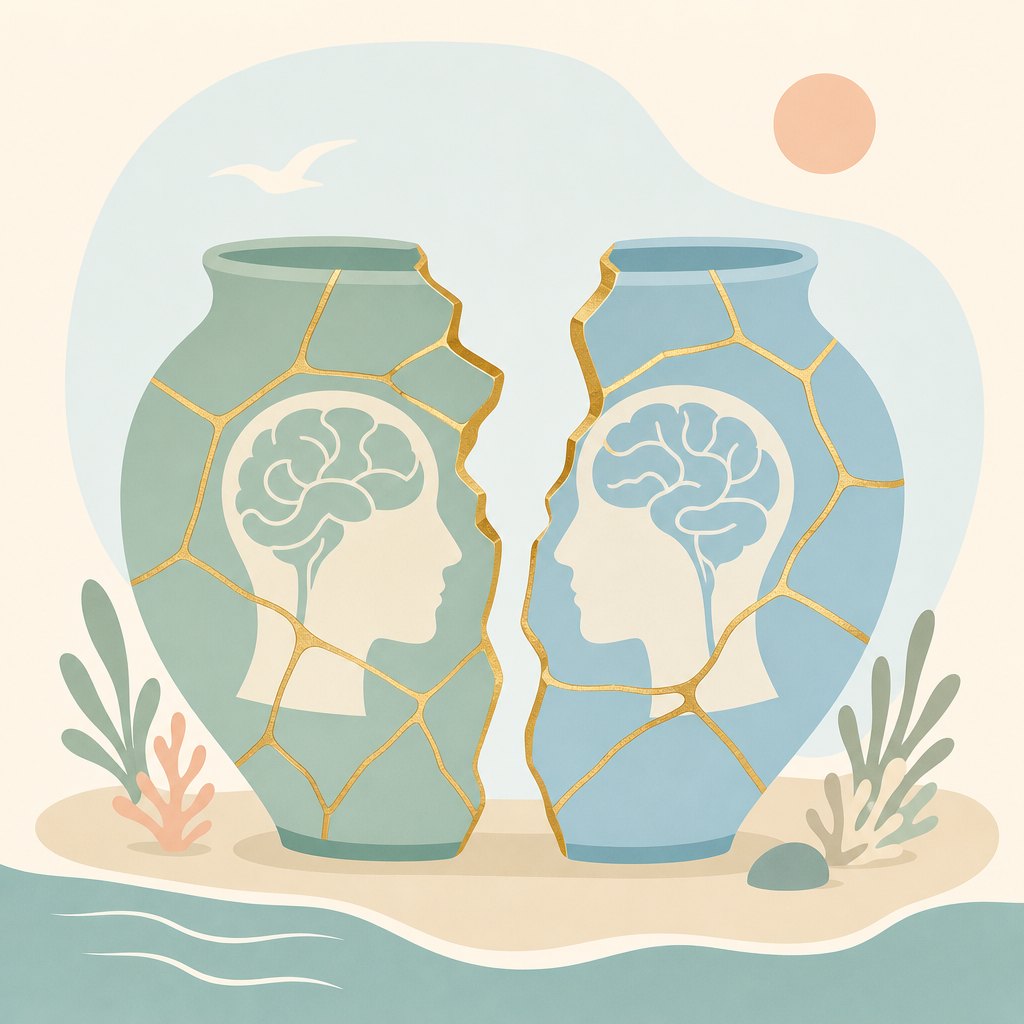
The conflict between neurology and psychiatry led to a doctrinal divorce, with psychoanalysis providing psychiatry with a self-sufficient theory of mind that did not require a brain. This division persisted for much of the 20th century, with each field focusing on the diseases their methods could handle.
Despite advances in neuroscience and neuroimaging, institutional structures have remained resistant to change. The separation of neurology and psychiatry has been maintained by divergent philosophical approaches and research methods, even as scientific advances have made this division appear increasingly arbitrary.
The most surprising thing about the immediate aftermath is that the neurologists moved toward psychiatry rather than away from it.
In 1883, both Hammond and Spitzka published systematic treatises on mental disorders — the first significant American works of their kind since Benjamin Rush. The march into psychiatry was made by the strictly organic route of neuroanatomy and neuropathology, but it was a march in. ANA membership doubled in 1887. The field was attracting physicians of high caliber, and for a moment the border looked permeable.
Then psychoanalysis arrived.
Psychoanalysis reached America in the 1910s and 1920s and did for psychiatry what the asylum had done seventy years before: it supplied a self-sufficient technology and an internal logic that made external validation unnecessary. Psychiatry acquired a theory of mind that did not require a brain.
The consequences were structural. Psychiatrists perceived progressively less need for neurological knowledge, and neurology content in psychiatric training contracted. Neurology, for its part, retreated into what it had always done well — the lesion, the localizing sign, the nerve, the muscle, the vessel — becoming, in one contemporary assessment, a discipline of erudite diagnosticians of specific syndromes who paid remarkably little attention to therapeutic programs for their patients.
Each field kept the diseases its method could handle. The border was drawn, in effect, by the resolution limit of the available microscope.
World War I briefly reversed the trend. The military's need to differentiate what would now be called functional neurological disorders from structural disease encouraged combined residency training and popularized the term neuropsychiatry.
The American Board of Psychiatry and Neurology was founded in 1934 as a joint board — an artifact of the older, unified understanding. In its first decade, 1935 to 1945, 36 percent of physicians it certified held certification in both specialties. That number is startling from the present vantage and worth sitting with.
But the term neuropsychiatry drifted. It became interchangeable with general psychiatry, used mainly to distinguish it from psychoanalysis, and lost its specificity entirely.
After World War II, neurology struggled to differentiate itself at all. A 1946 survey found that the majority of board-certified neurologists earned most of their income from practices other than neurology — most often psychiatry. The formation of the American Academy of Neurology in 1948, resisted by the established ANA, represented a younger generation's deliberate effort to grow the field, separate from psychiatry, and claim ownership of neurologic disease management.
That separation succeeded. Two residencies, two boards, two literatures, two sets of clinics, two chairs, two departments, two sets of payer contracts. The shared name on the certifying board became a fossil rather than a bridge.
Chlorpromazine and imipramine in the 1950s. DSM-III's descriptive revolution in 1980. The Decade of the Brain in the 1990s. Functional imaging thereafter. The intellectual pendulum swung hard back toward biology.
The administrative structures did not move at all. This is the single most durable finding in the whole history: ideas migrate freely across the neurology-psychiatry border; institutions do not.
Revisiting the 1880 Argument in Modern Context
Recent developments in neuroscience and neuroimaging have begun to bridge the gap between neurology and psychiatry. Diseases like anti-NMDA receptor encephalitis and behavioral-variant frontotemporal dementia challenge the traditional boundaries between the two fields. The 2018 NIA-AA research framework's biological definition of Alzheimer's disease exemplifies the shift towards a more integrated understanding of brain disorders.
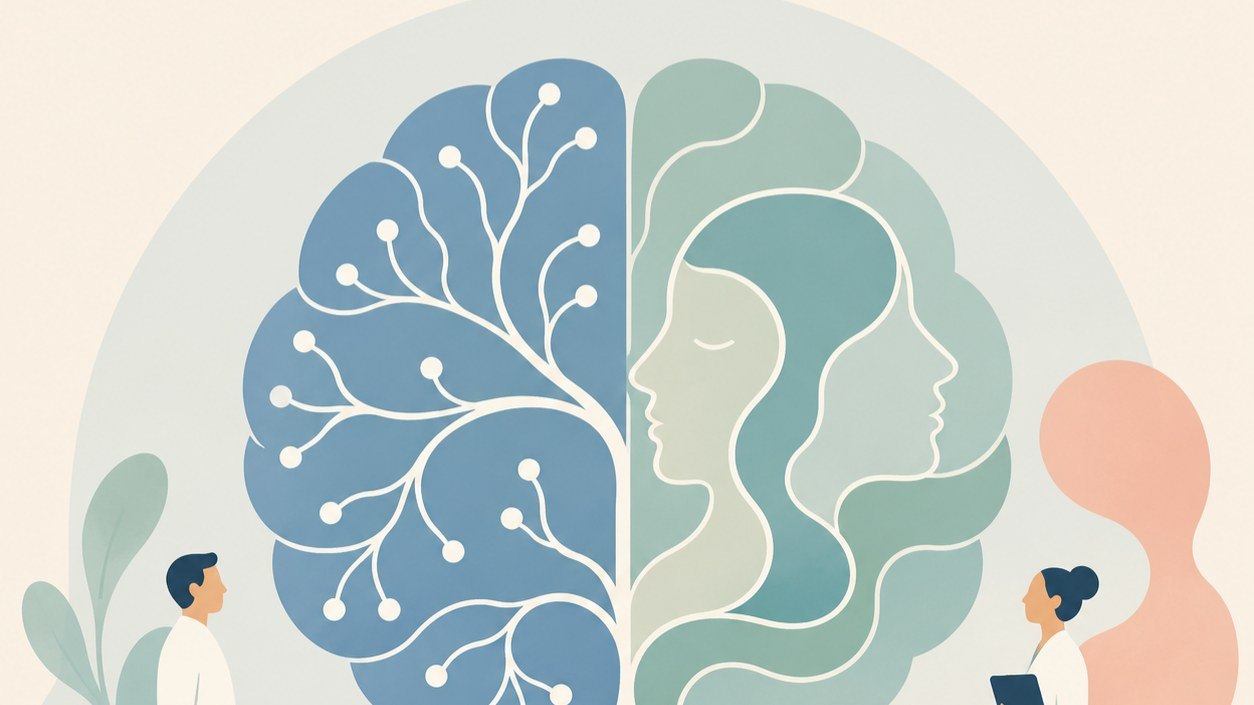
These advances have prompted calls for a unified brain health framework, treating the brain as a single biological organ. Proposals for reunification, such as the European Psychiatric Association and European Academy of Neurology's joint call for shared outpatient pathways, reflect a growing recognition of the need for collaboration between neurology and psychiatry.
What makes the 1880 fight worth revisiting now is that the empirical vacuum at its center has finally begun to fill in, and it is filling in from precisely the direction Hammond predicted and could not demonstrate.
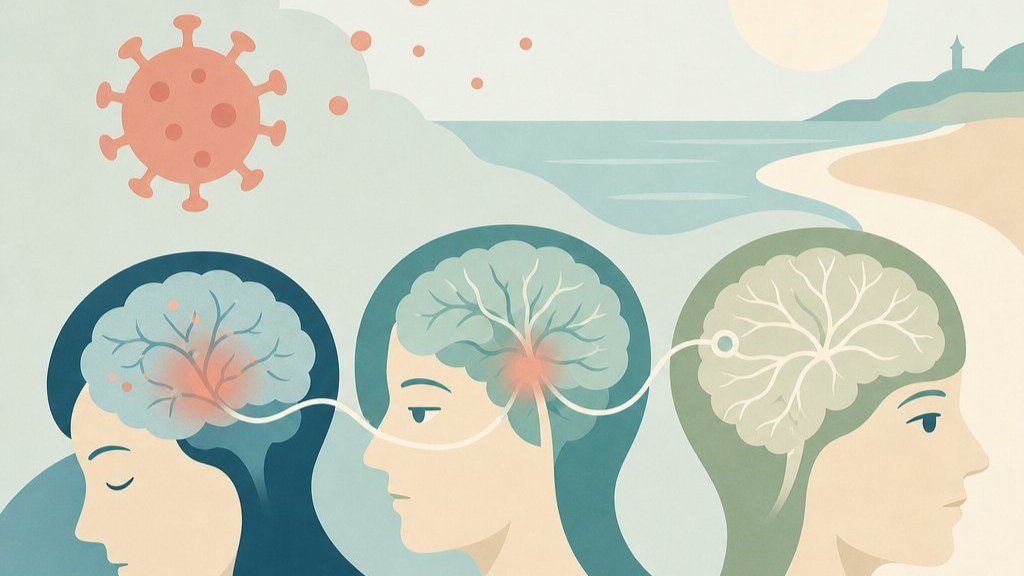
Anti-NMDA receptor encephalitis is the cleanest case in modern medicine. Patients present with psychosis, catatonia, agitation, and hallucinations; they are admitted to psychiatric units; they have a treatable autoantibody-mediated brain disease. It is general paresis all over again, with a faster clock.
Behavioral-variant frontotemporal dementia routinely spends two to four years under a psychiatric diagnosis — late-onset bipolar disorder, atypical depression, personality change — before anyone images the frontal lobes.
Dementia with Lewy bodies presents with visual hallucinations and delusions that invite antipsychotic exposure, which is precisely the wrong treatment.
Late-onset psychosis in a person over sixty with no prior history is now reasonably regarded as a neurodegenerative presentation until proven otherwise.
Functional neurological disorder, traumatic brain injury, epilepsy-associated psychosis, catatonia, delirium, and the neuropsychiatric manifestations of movement disorders all sit permanently astride the line, forcing collaboration that neither specialty's training structure anticipates.
The 2018 NIA-AA research framework did something the nineteenth century could only gesture toward: it defined a disease biologically rather than clinically. Alzheimer disease became an amyloid-and-tau construct — A/T/N — independent of whether the patient met any syndromic threshold.
That is Hammond's claim, made operational. The lesion is now detectable in vivo, decades before the syndrome, by amyloid PET and by cerebrospinal fluid and now plasma assays.
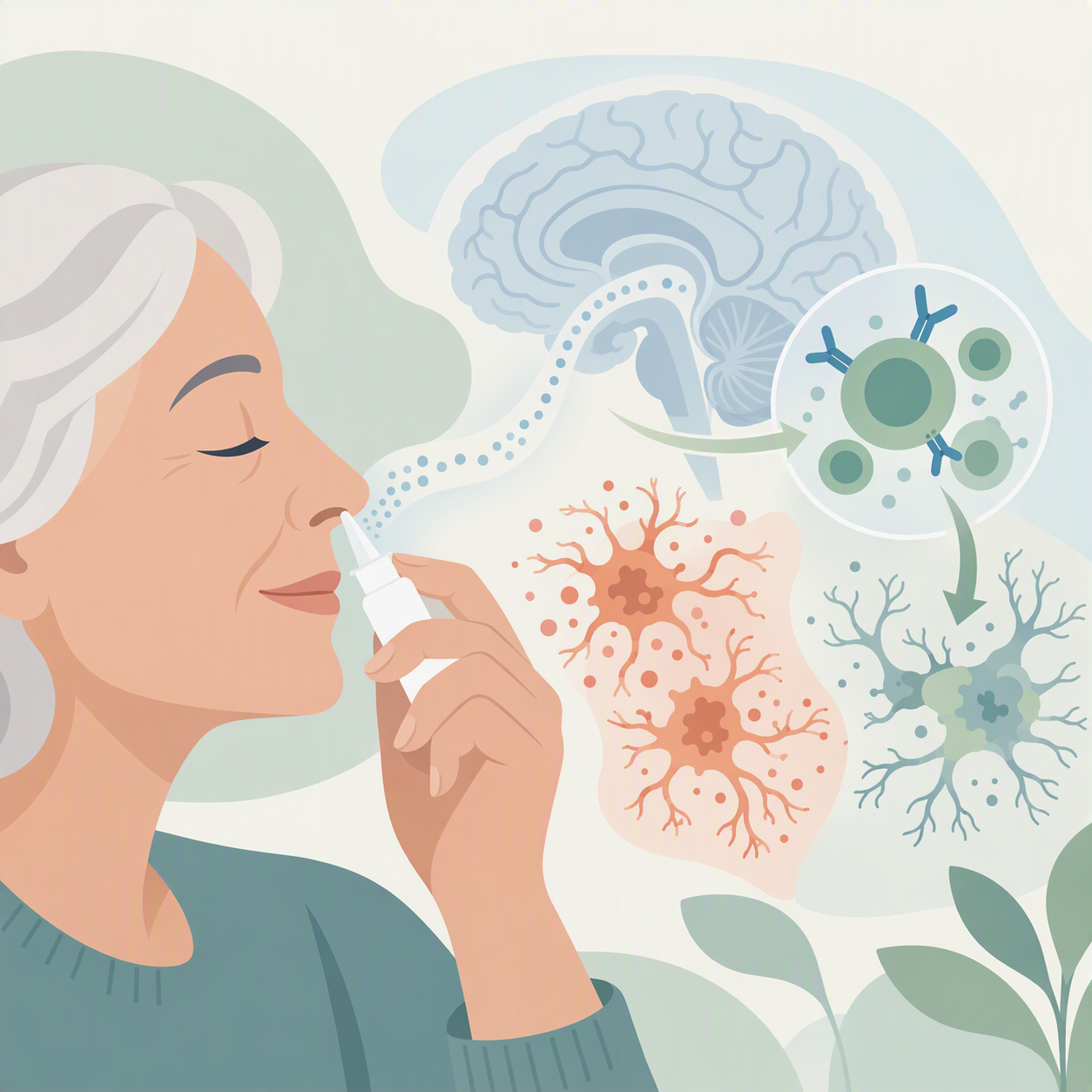
Plasma p-tau217 now performs, in good cohorts, competitively with CSF and PET for detecting Alzheimer pathology — including in primary care populations. That is a blood test for a brain lesion, orderable by a family physician. And anti-amyloid monoclonal antibodies, lecanemab and donanemab, have converted amyloid from a diagnostic finding into a therapeutic target, with all the infrastructure that implies: infusion centers, ARIA surveillance MRI, APOE genotyping, quantitative PET, and payer coverage policy.
Consider what this does to the 1880 argument. The neurologists lost because they could not find the lesion and had nothing to offer instead. For at least one major class of brain disease, both deficits are now resolved. A specialty that can measure the pathology in blood and modify it with a drug occupies exactly the position Hammond claimed and could not hold.
Behavioral neurology and neuropsychiatry has existed as a formally certified subspecialty since 2004, enterable from either residency — a small, quiet reunification at precisely the point where the two patient populations overlap. Dual residency training, which had nearly vanished, began climbing again in the 1980s as neuroscience, neuroimaging, and pharmacology advanced; surveys of dual-trained physicians report overwhelmingly positive assessments of the combined education's value.
Contemporary neuroscience has made the older separation increasingly difficult to defend. Brain and mental health disorders share genetic susceptibilities, inflammatory and metabolic pathways, environmental and social risk factors, and clinical features that cross every diagnostic boundary. Seizures, psychosis, mood disturbance, cognitive impairment, and sleep disorders are common to both fields.
Formal proposals for reunification are now on the table. The European Psychiatric Association and European Academy of Neurology have jointly called for a brain health framework treating the brain as a single biological organ, with joint consultations and shared outpatient pathways. In the United States, there are active calls for a unified classification system for brain-mind disorders. NIMH's Research Domain Criteria framework proposes reorganizing psychiatric nosology around neurobiological dimensions rather than syndromic categories — which is, in substance, Spitzka's 1878 position with better instruments and better manners.
Torrey noted in 2002 that NIMH and NINDS shared a building in Bethesda and some laboratory space, and that some observers thought a merged National Institute of Brain Research was only a matter of time. That case is stronger now than it was then.
As one widely cited analysis put it: neurology and psychiatry have been separated for much of the past century by an artificial wall built from divergent philosophical approaches and divergent research and treatment methods, and the scientific advances of recent decades have made that separation look arbitrary and counterproductive.
Lessons from the 1880 Conflict
The 1880 conflict between neurology and psychiatry offers valuable lessons for modern brain health programs. Being right about the mechanism of disease does not guarantee control over patient care. Criticism of existing systems must be accompanied by viable alternatives, and institutional control follows those who do the work, not those with the better theory.
The diagnostic boundary between neurology and psychiatry is determined by measurement, not nature. As scientific advancements continue to redefine our understanding of brain disorders, the boundary will continue to shift. Biological explanations are not the whole story, and a comprehensive understanding of mental illness must consider developmental, cultural, and social factors.
The temptation is to read this as a story of psychiatry's temporary reprieve, with the neurologists finally arriving a century and a half late to collect. That reading is wrong, and it is wrong in ways that matter for how brain health programs are actually built today.
Being right about mechanism does not entitle you to the patients. The neurologists were correct that insanity is brain disease. They lost anyway, because they could not answer the operational question — who cares for these people, where, and with what. Any modern program that leads with biomarker sophistication and has not solved capacity, follow-up, infusion logistics, caregiver support, and payer coverage is making Hammond's error in a new costume.
Criticism is not a care model. The neurologists' central strategic failure was attacking the asylum system without building an alternative. It is a failure mode that recurs constantly in health system reform: a compelling indictment of the existing pathway, and no operational plan for the Monday after it is dismantled.
Institutional control follows who does the work, not who has the better theory. The superintendents held the beds, the jobs, and the admissions. That, not their science, is what won. Where clinical volume and infrastructure sit today — who runs the memory clinics, who owns the PET scanners, who holds the payer relationships, who can staff an infusion suite — will shape neurocognitive medicine far more than any argument about nosology.
The diagnostic boundary is a function of measurement, not of nature. Every disease that has crossed from psychiatry to neurology in a hundred and fifty years — general paresis, epilepsy, Huntington disease, the frontotemporal dementias, autoimmune encephalitis — crossed because someone developed an assay, not because someone won an argument. The boundary will keep moving. Some fraction of what is currently managed as primary psychiatric illness will be reclassified within the professional lifetimes of people practicing now.
Biological explanation is not the whole story, and the nineteenth-century neurologists were wrong about that. Brain-based accounts have not eliminated the need to understand development, trauma, culture, relationship, cognition, and social environment. Psychiatry survived in part because mental illness genuinely could not be reduced to the neuropathological tools then available — and in part because some of it still cannot. Hammond's confidence was directionally right and substantively premature, and the difference between those two things is where a century of patient care happened.
The tone of 1878–1880 was not an aberration of Victorian manners. It is what happens when a specialty's institutional survival is at stake and the science is not yet decisive enough to settle the matter. The vocabulary has changed; the dynamic has not. Anyone who has watched a coverage-policy fight, a scope-of-practice dispute, or a service-line reorganization will recognize the shape instantly — the questioning of competence, the impugning of motive, the substitution of moral character for evidence when evidence is unavailable.
And the patients paid. While the neurologists and psychiatrists spent three years calling each other moral monsters, the asylums continued to deteriorate. Willard discharged fewer than one in five. Nobody in that hearing room was arguing about outcomes, because neither side had any.
Hammond and Gray both believed that mental illness was a disease of the brain. They agreed on the fundamental scientific question and destroyed each other over jurisdiction, in journals, in courtrooms, and finally in front of a Senate committee that had already decided.
Neurology did not take over psychiatry in 1880. Instead, the two professions separated, built different institutions, wrote different literatures, trained different residents, and spent the following century repeatedly rediscovering that they had been studying the same organ from opposite ends.
The question is no longer whether neurology should absorb psychiatry. It is whether the boundary between them remains clinically useful, or whether it has become an institutional artifact preserved long after its original justification disappeared.
It took a hundred and forty years and a blood test to start making that argument about biology again.
Source
Torrey EF. The year neurology almost took over psychiatry. Psychiatric Times. 2002;19(1).