
Ochsner Neurocognitive Program · Mind the Gulf
Everyday recipes built on the MIND and Mediterranean diets — and a plain-language look at what the research says about food and the ageing brain.
The idea in one page
The MIND diet blends the Mediterranean and DASH diets, favouring the foods most often linked to slower memory decline. Think of these as a weekly pattern, not strict rules — small, steady swaps count.
From our kitchen
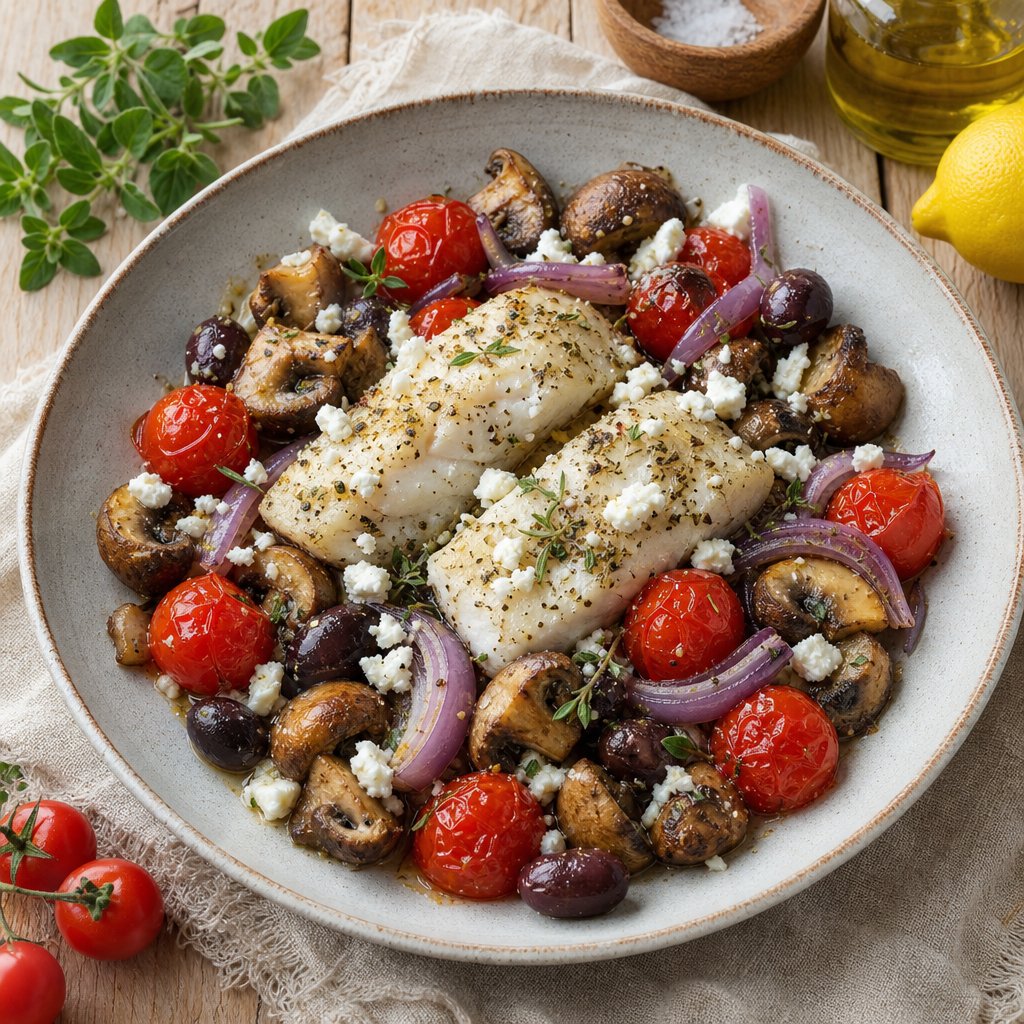 Dinner · 25 min
Mediterranean Cod Sheet-Pan Dinner
This Mediterranean-inspired sheet-pan dinner features tender cod fillets paired with vibrant vegetables, olives, and feta cheese, all roasted to perfection. It's a simple, flavorful meal that's perfect for a healthy dinner.
3/9 MIND groups
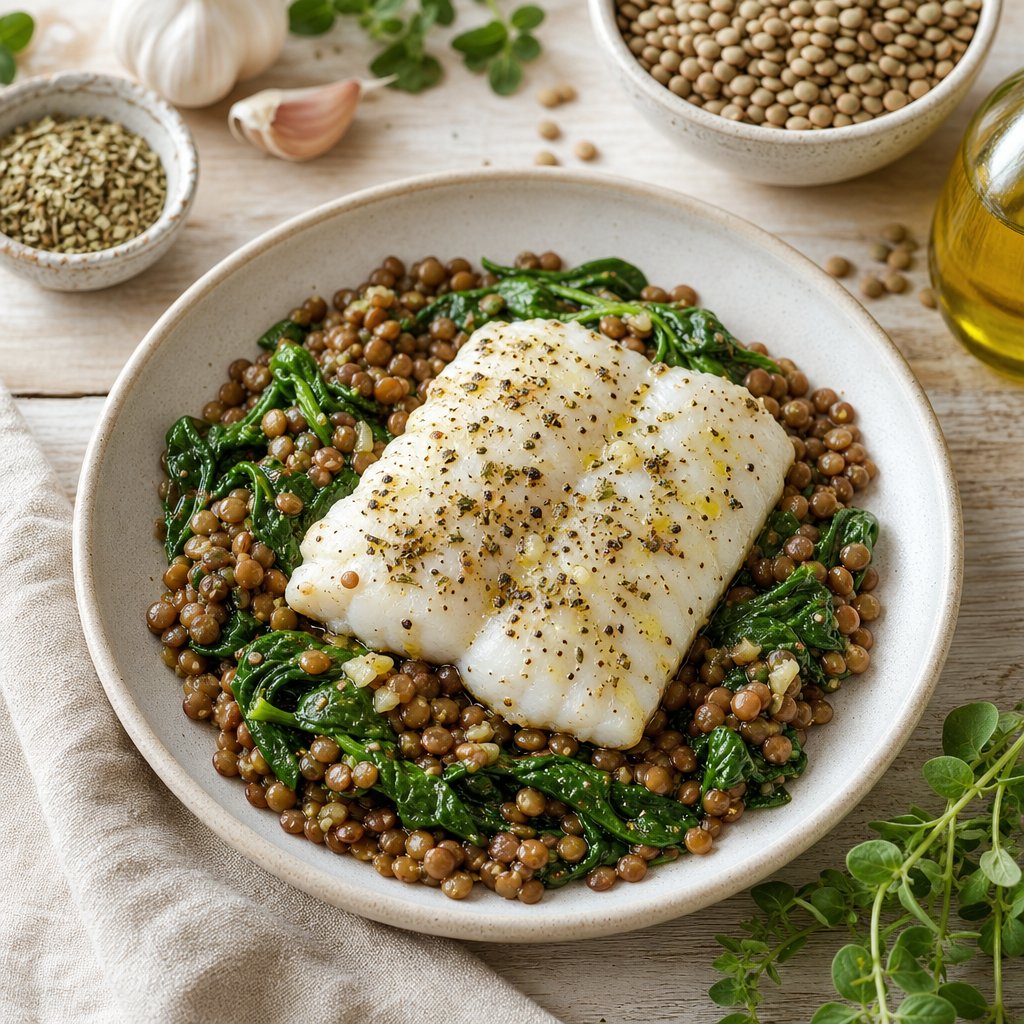 Dinner · 15 min
Quick Mediterranean Cod with Spinach and Lentils
This quick and nutritious dish combines tender cod with vibrant spinach and hearty lentils, offering a delightful Mediterranean flavor. Perfect for a healthy and satisfying meal.
5/9 MIND groups
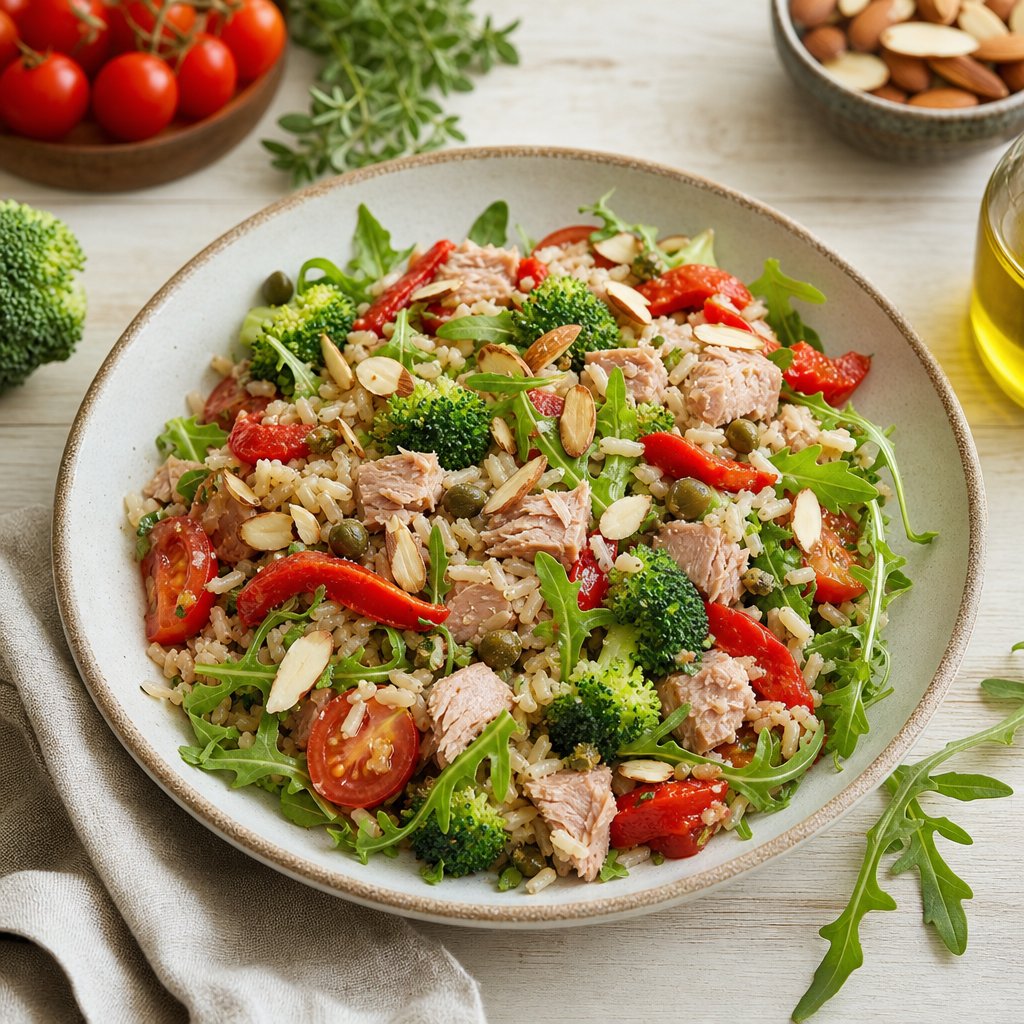 Lunch · 15 min
Mediterranean Tuna Grain Salad
This vibrant Mediterranean tuna grain salad combines fresh vegetables, protein-rich tuna, and wholesome grains for a satisfying and nutritious meal. Perfect for a quick lunch, it's both delicious and brain-friendly.
5/9 MIND groups
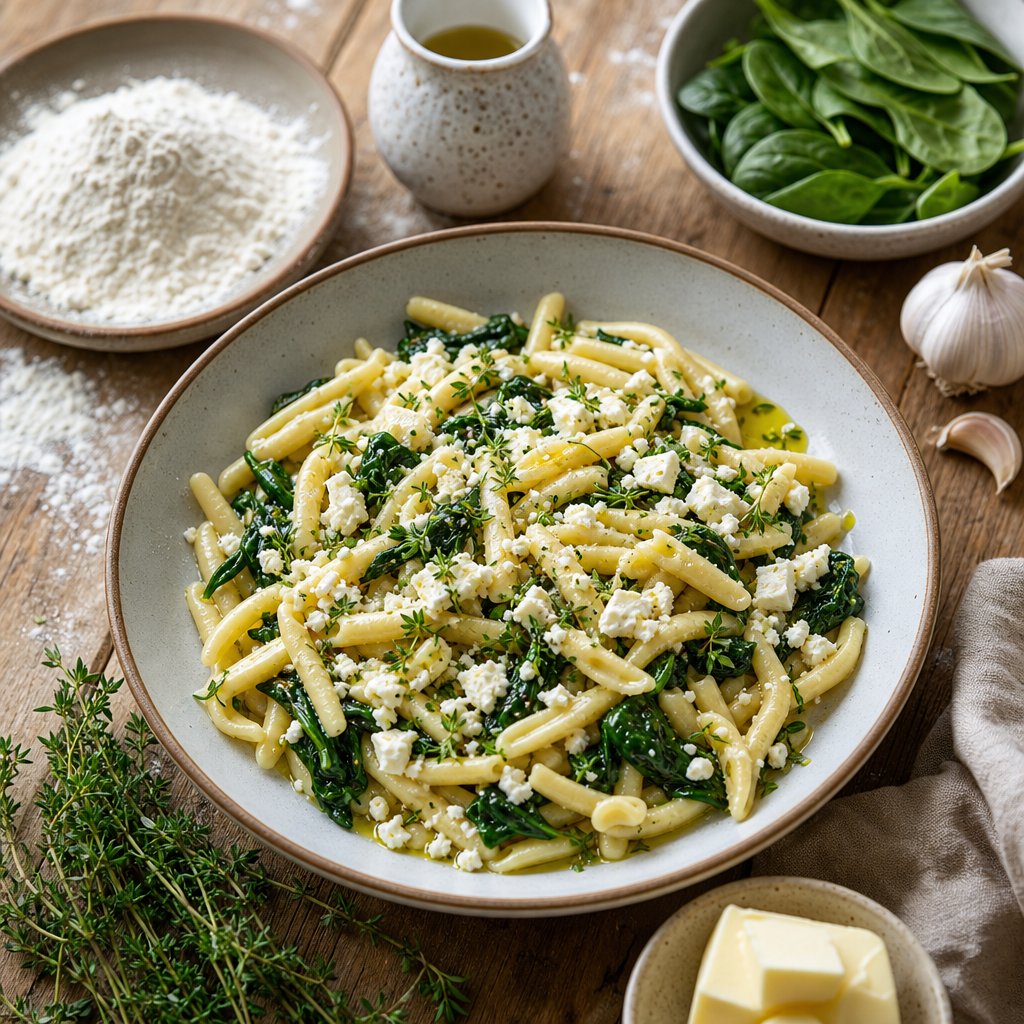 Dinner · 50 min
Skioufikta Pasta with Lemon Thyme, Spinach and Feta
Enjoy a taste of Crete with this rustic skioufikta pasta, enhanced by the fresh flavors of lemon thyme, spinach, and creamy feta. This hands-on dish is both delightful to make and delicious to eat.
3/9 MIND groups
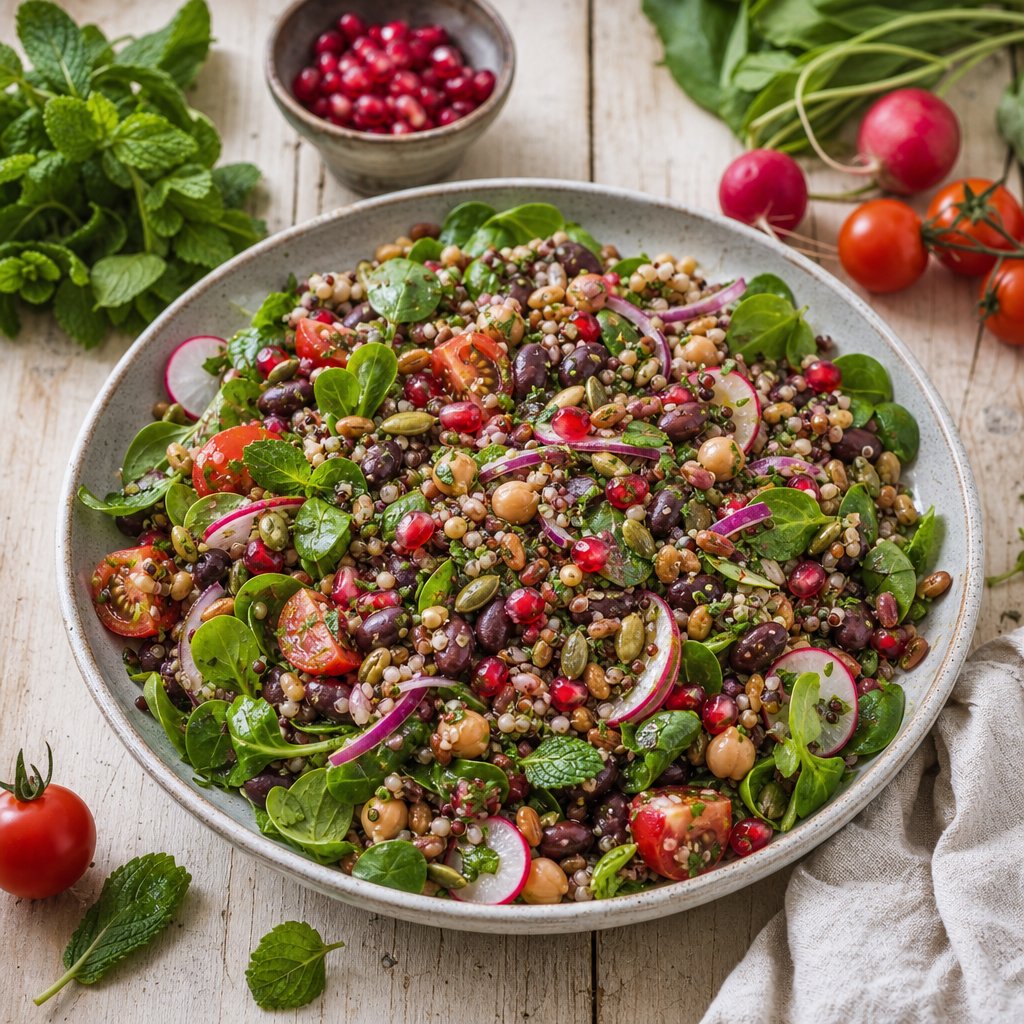 Lunch · 45 min
Bean Salad with Mint and Pomegranate Dressing
This fresh and vibrant salad combines hearty grains and beans with a zesty mint and pomegranate dressing. Perfect for a nutritious lunch or a shared dish at gatherings.
5/9 MIND groups
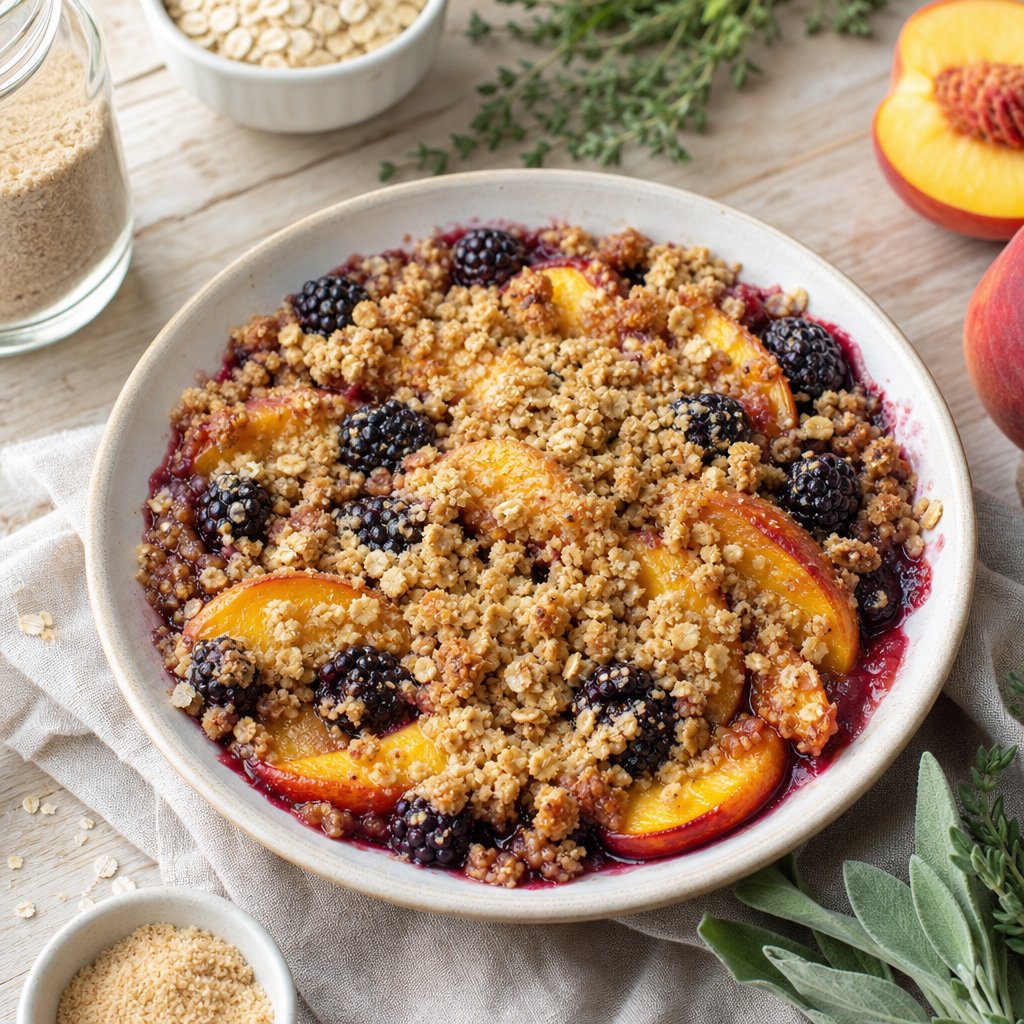 Dessert · 45 min
Blackberry Peach Tahini Crumble
This delightful crumble combines juicy peaches and antioxidant-rich blackberries with a nutty tahini topping, offering a brain-healthy twist on a classic dessert.
3/9 MIND groups
 Breakfast · 20 min
Whole Grain Pancakes with Sweet Blueberry Compote
Start your day with these delicious whole grain pancakes topped with a sweet blueberry compote. This MIND Diet recipe is a nutritious and tasty way to support brain health.
3/9 MIND groups
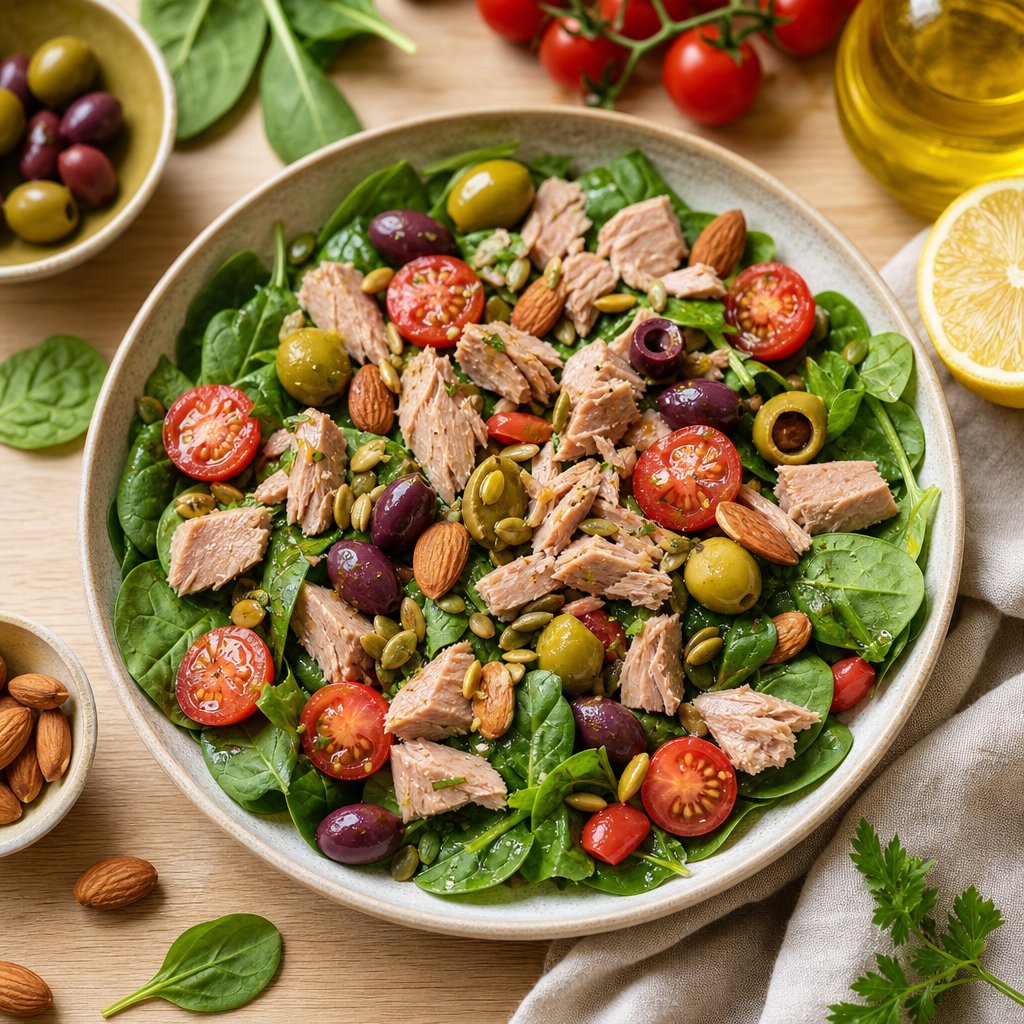 Lunch · 15 min
Tuna and Olives Spinach Salad
Indulge in a refreshing and nutrient-packed salad that combines protein-rich tuna, briny olives, and nutrient-dense spinach. This dish is perfect for a brain-healthy lunch or dinner.
6/9 MIND groups
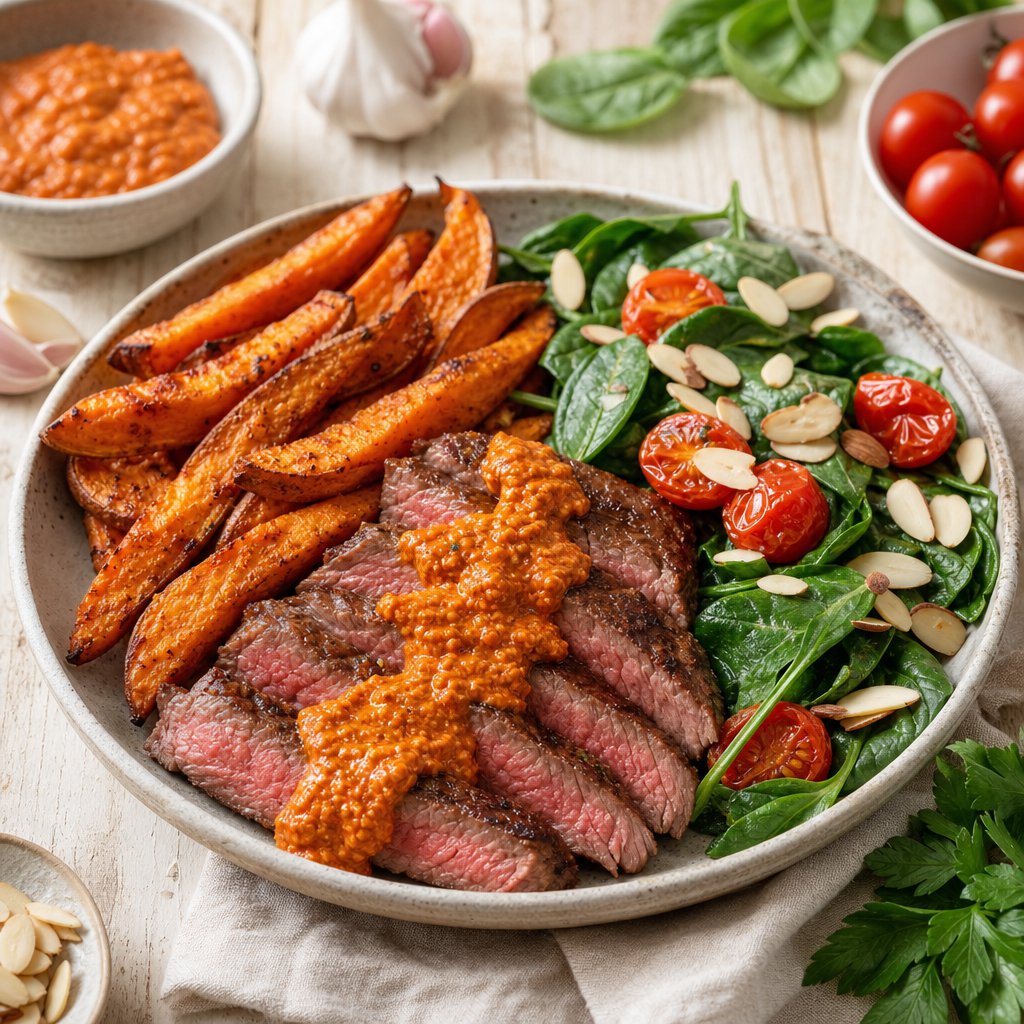 Dinner · 30 min
Steak with Romesco Sauce, Sweet Potato Wedges, and Greens
Enjoy a flavorful and nutritious meal with this steak dish, complemented by a vibrant romesco sauce and sweet potato wedges. It's a delightful way to incorporate brain-healthy ingredients into your dinner.
4/9 MIND groups
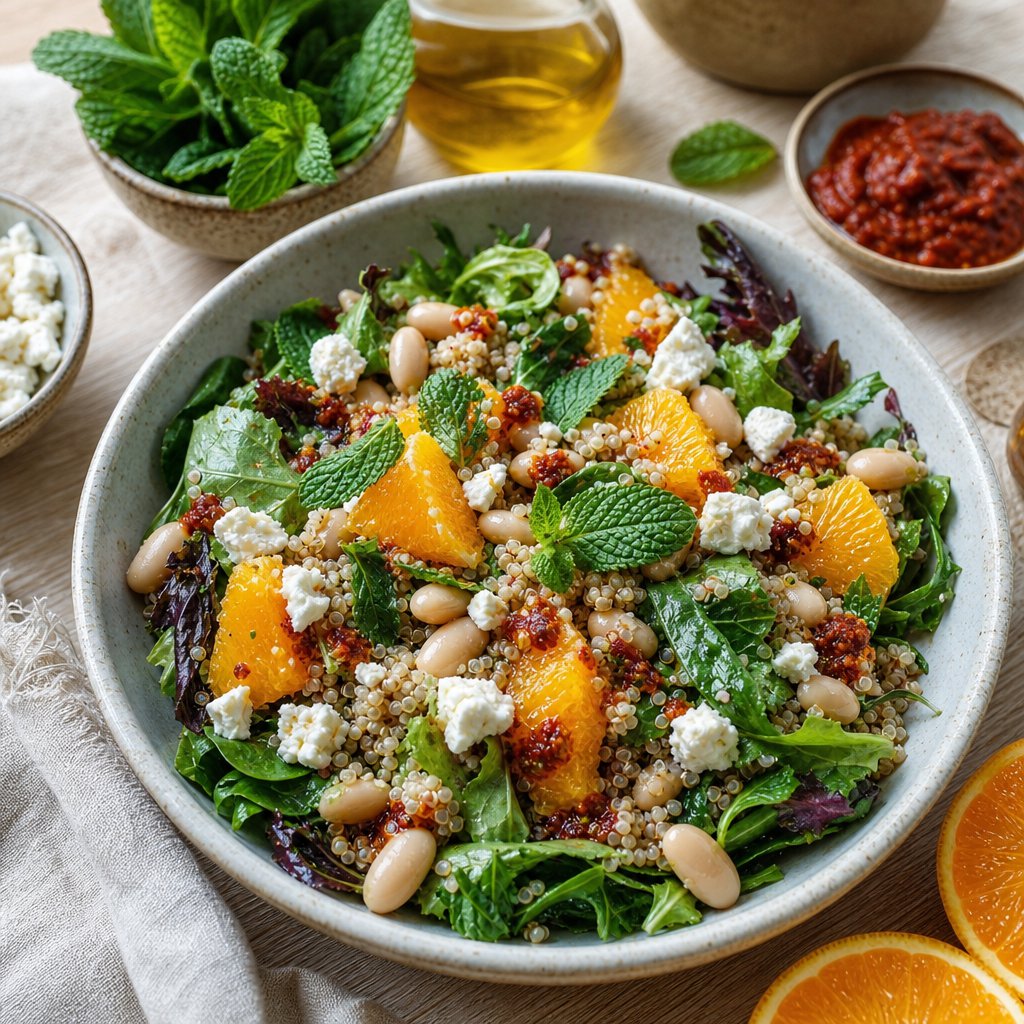 Lunch · 16 min
Harissa-Spiced White Bean, Citrus, and Feta Salad Bowls
This vibrant salad combines the zesty flavors of citrus with the rich taste of harissa and creamy feta, creating a refreshing and satisfying meal. Perfect for a quick lunch, it's packed with nutrients that support brain health.
4/9 MIND groups
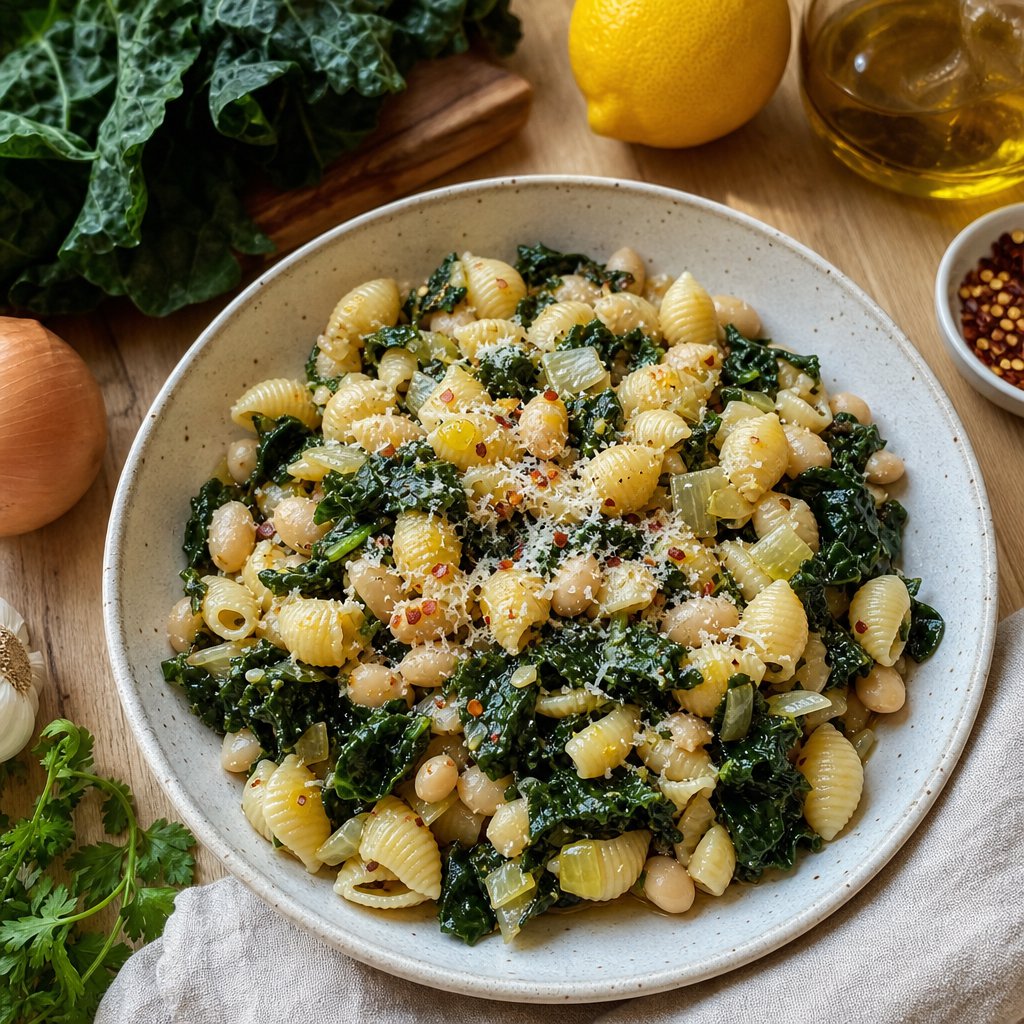 Dinner · 35 min
Pasta with Collard Greens and Onions
This vibrant pasta dish combines hearty collard greens and creamy white beans for a nutritious meal. A hint of lemon and a sprinkle of parmesan cheese bring everything together for a delightful dinner.
4/9 MIND groups
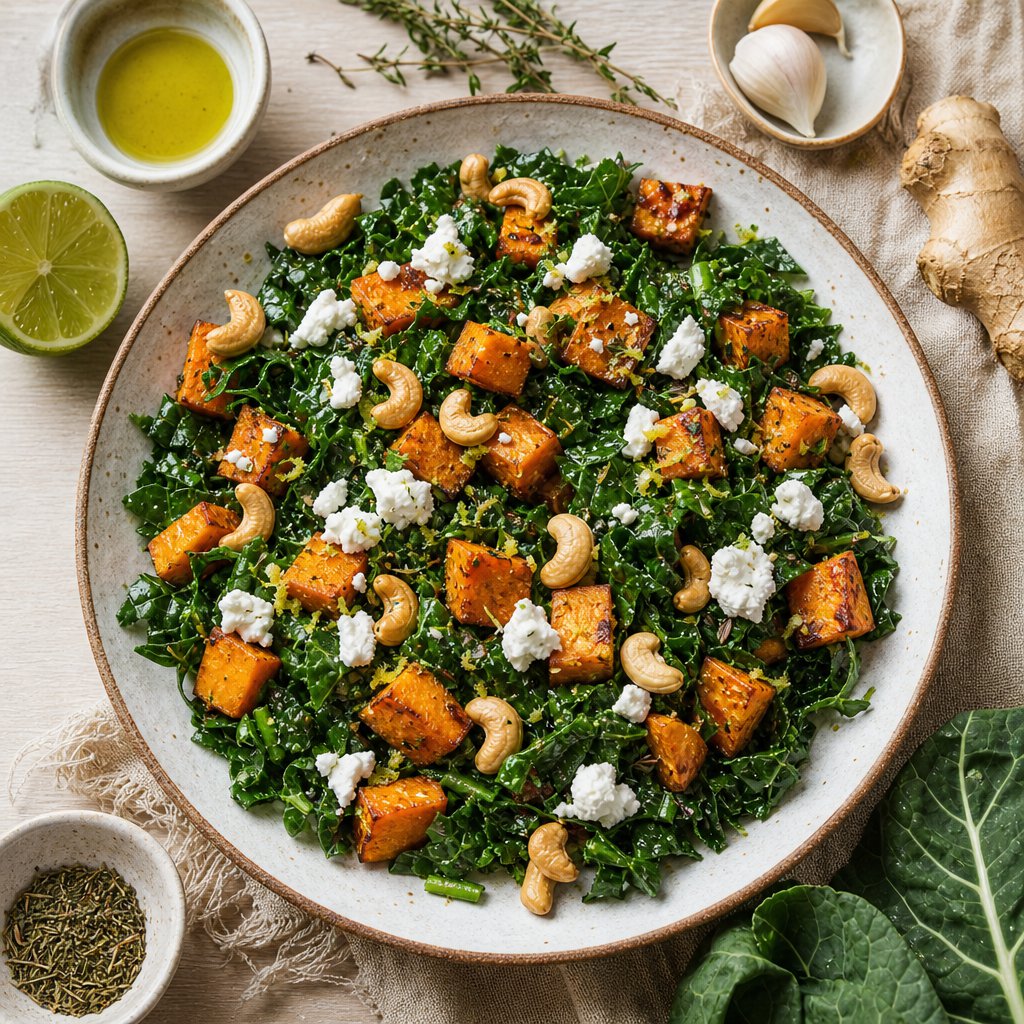 Lunch · 30 min
Collard Green Salad with Roasted Sweet Potatoes and Cashews
This vibrant salad combines roasted sweet potatoes with fresh collard greens, topped with creamy goat cheese and crunchy cashews. It's a delightful mix of flavors and textures perfect for a nutritious meal.
4/9 MIND groups
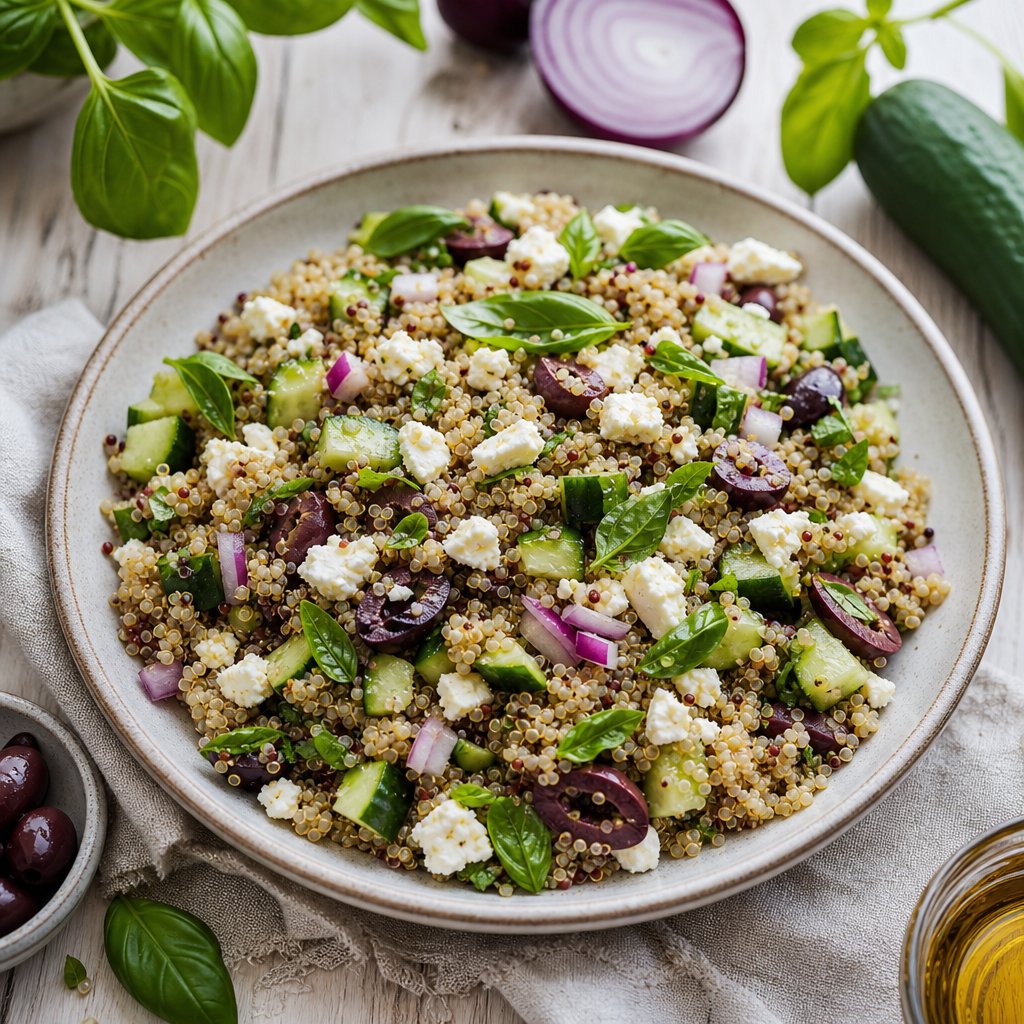 Lunch · 25 min
Mediterranean Quinoa Salad with Cucumber, Feta, and Basil
This vibrant Mediterranean quinoa salad combines fresh vegetables, aromatic basil, and tangy feta for a refreshing and nutritious meal. Perfect for a light lunch or a satisfying side dish.
3/9 MIND groups
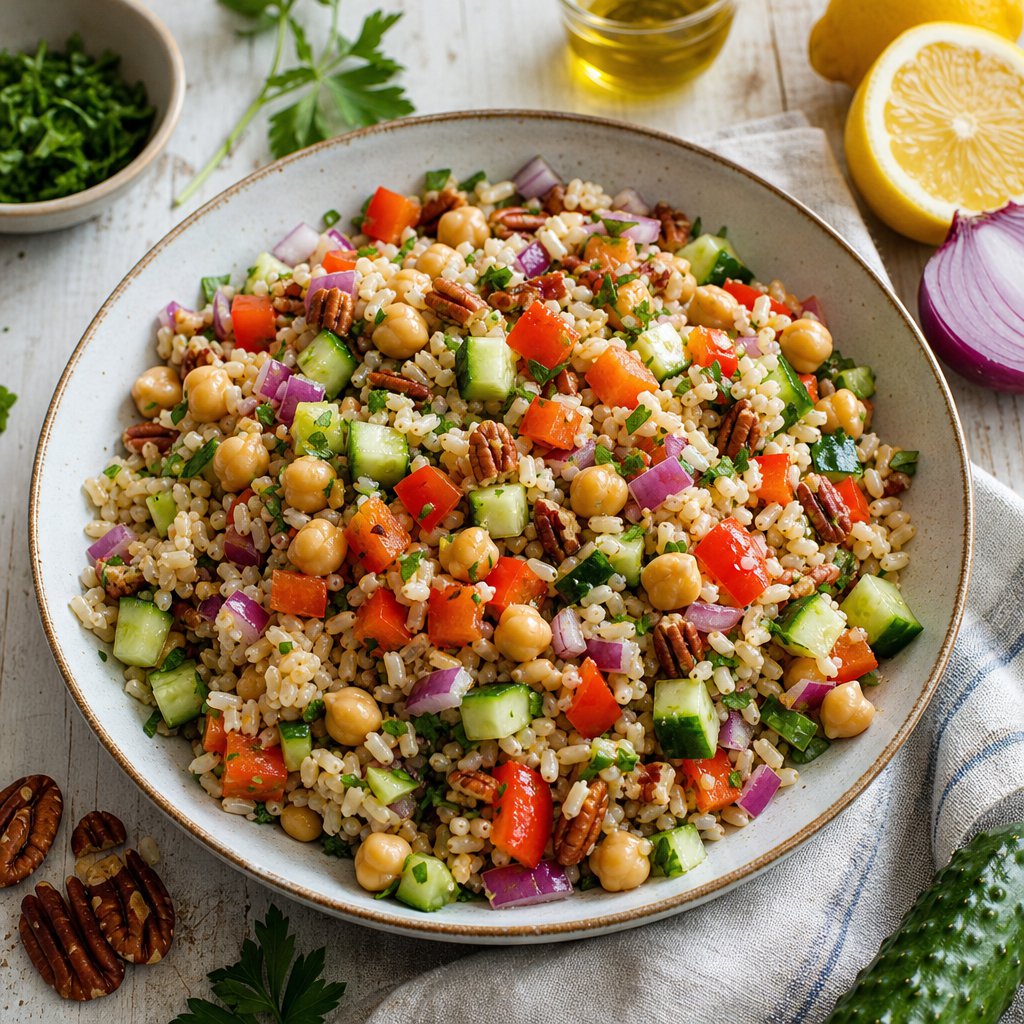 Side · 15 min
MIND Diet-Inspired Brown Rice, Chickpea & Veggie Salad
This vibrant salad combines whole grains, beans, and fresh vegetables for a delicious and brain-boosting meal. Perfect as a side dish or a light main course, it's packed with flavors and nutrients.
5/9 MIND groups
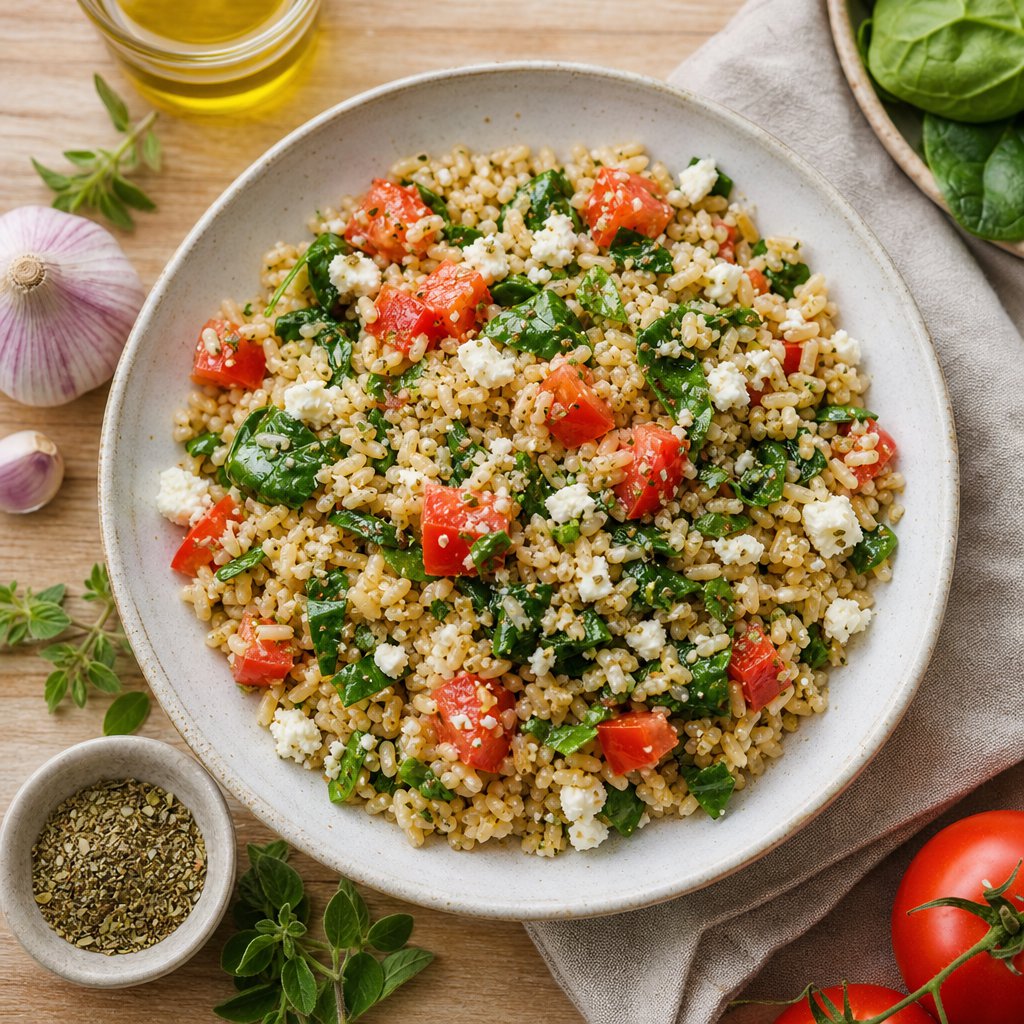 Side · 50 min
Mediterranean Rice
This Mediterranean Rice dish is a delightful blend of whole grains, fresh vegetables, and aromatic herbs, perfect for a nourishing meal. It's a simple yet flavorful recipe that brings the essence of the Mediterranean to your table.
4/9 MIND groups
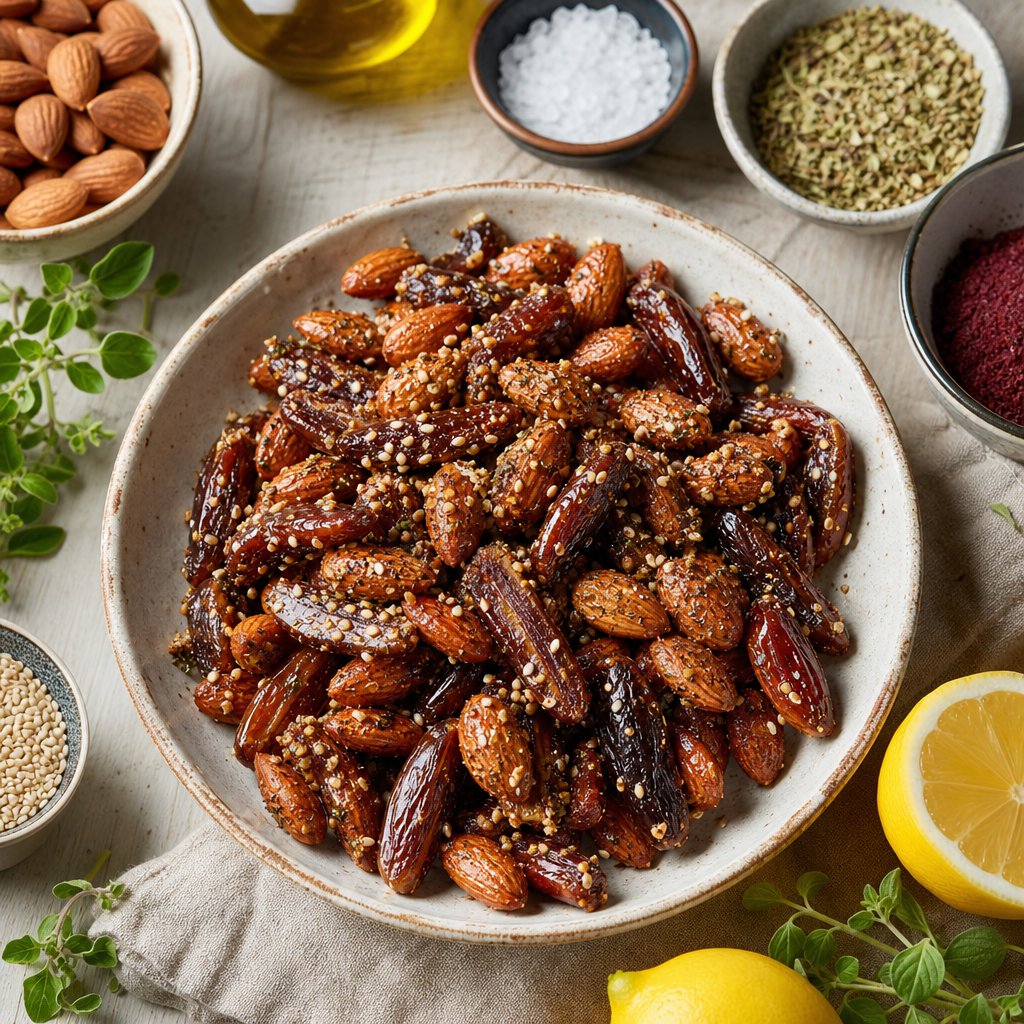 Snack · 20 min
Za'atar Spiced Roasted Almonds with Medjool Dates
Enjoy a flavorful and nutritious snack with these za'atar spiced roasted almonds paired with sweet Medjool dates. Perfect for a quick brain-boosting treat.
2/9 MIND groups
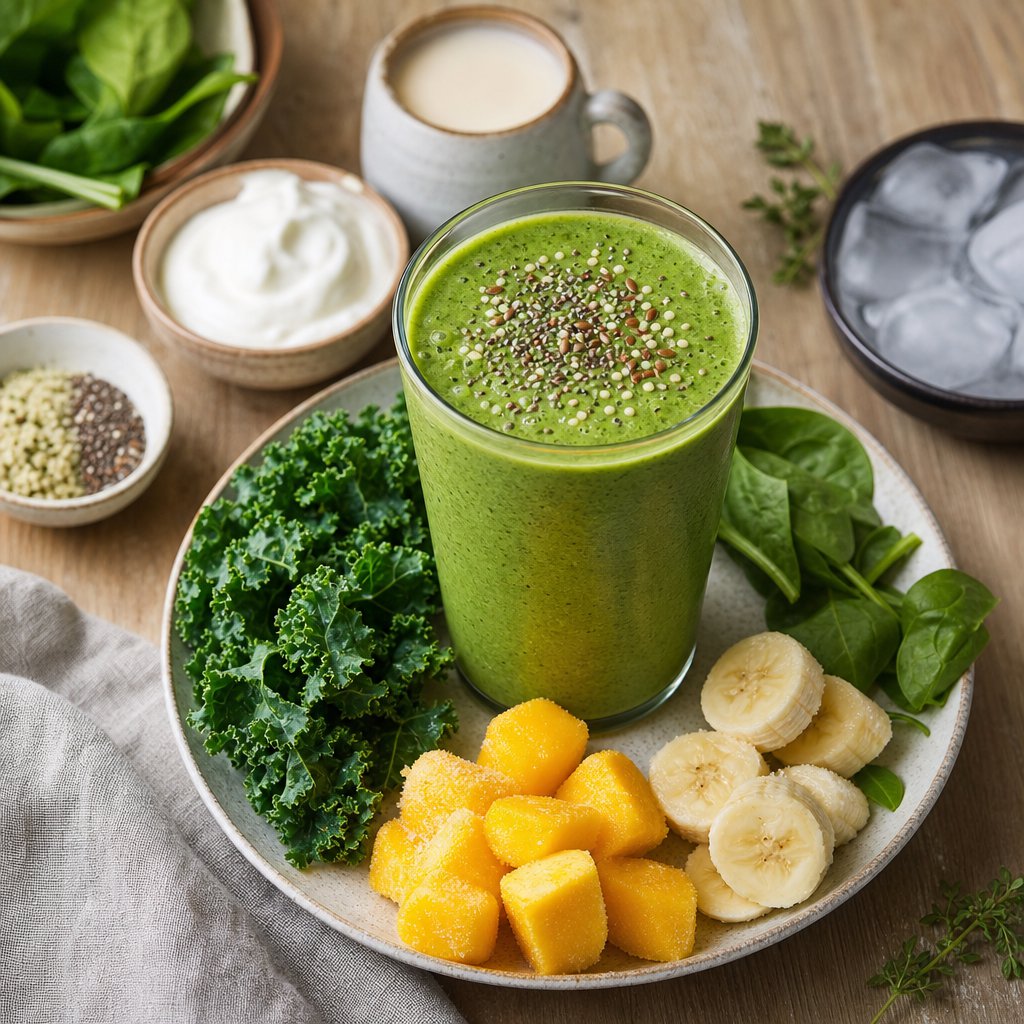 Drink · 5 min
Supergreen Smoothie
This vibrant smoothie is packed with greens and fruits, offering a refreshing and nutritious start to your day. It's a great choice for breakfast or a revitalizing snack.
1/9 MIND groups
 Snack · 30 min
Brain-Healthy Chocolate Zucchini Muffins
These chocolate zucchini muffins are a deliciously healthy way to satisfy your sweet tooth while supporting brain health. Made with whole grains and olive oil, they offer a nutritious twist on a classic treat.
4/9 MIND groups
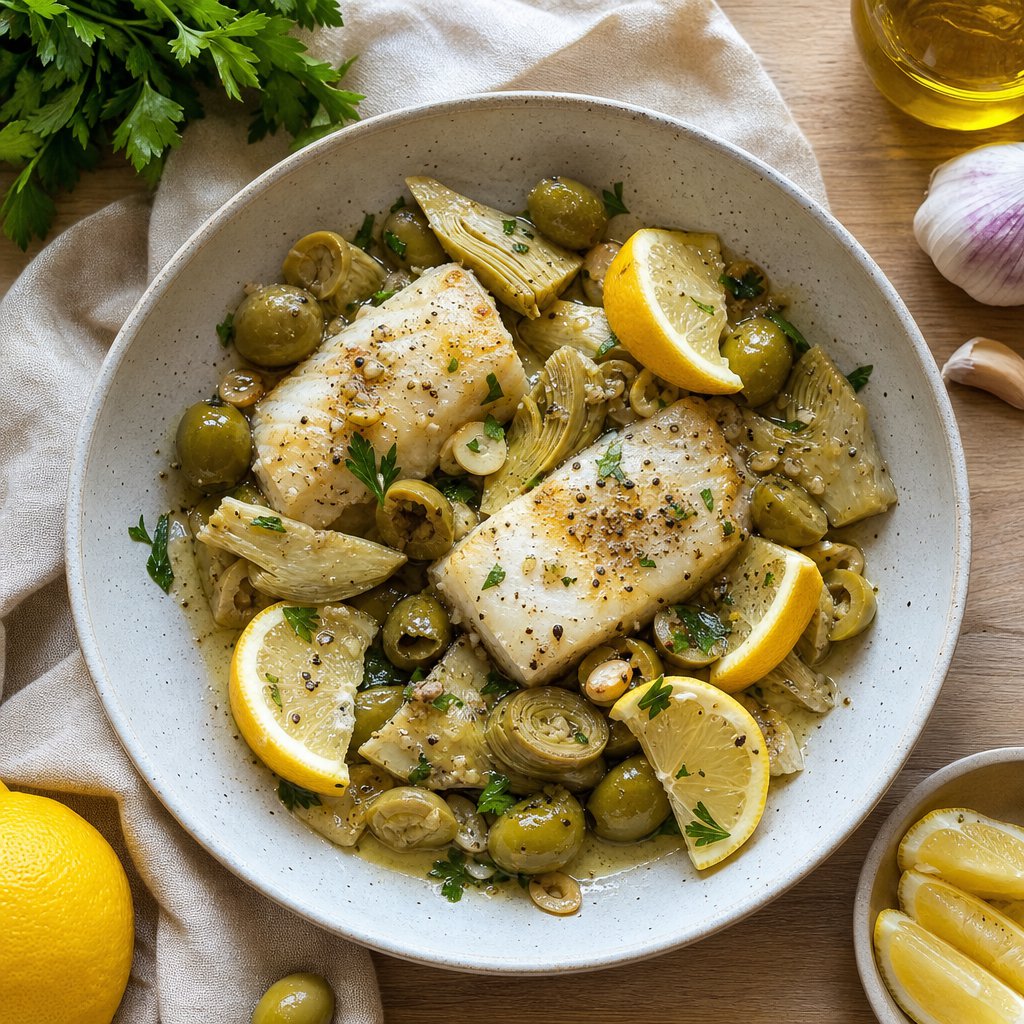 Dinner · 30 min
White Fish with Olives and Artichokes
This delightful dish combines tender white fish with briny olives and nutty artichokes, creating a meal that's both elegant and easy to prepare. Perfect for a quick yet sophisticated dinner.
3/9 MIND groups
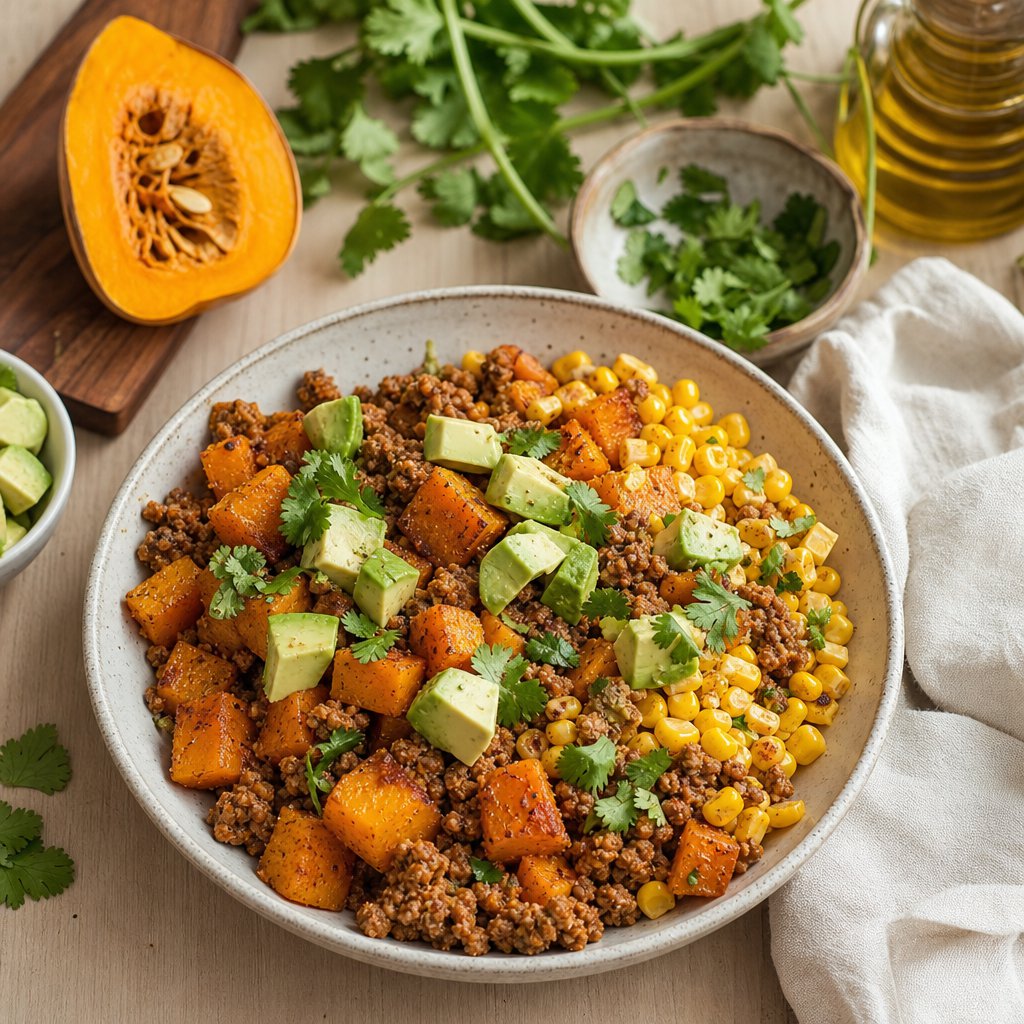 Dinner · 35 min
Turkey & Honeynut Squash Taco Bowls
These taco bowls offer a delicious and brain-healthy twist on traditional tacos. With lean turkey and roasted honeynut squash, they are perfect for a quick dinner or meal prep.
3/9 MIND groups
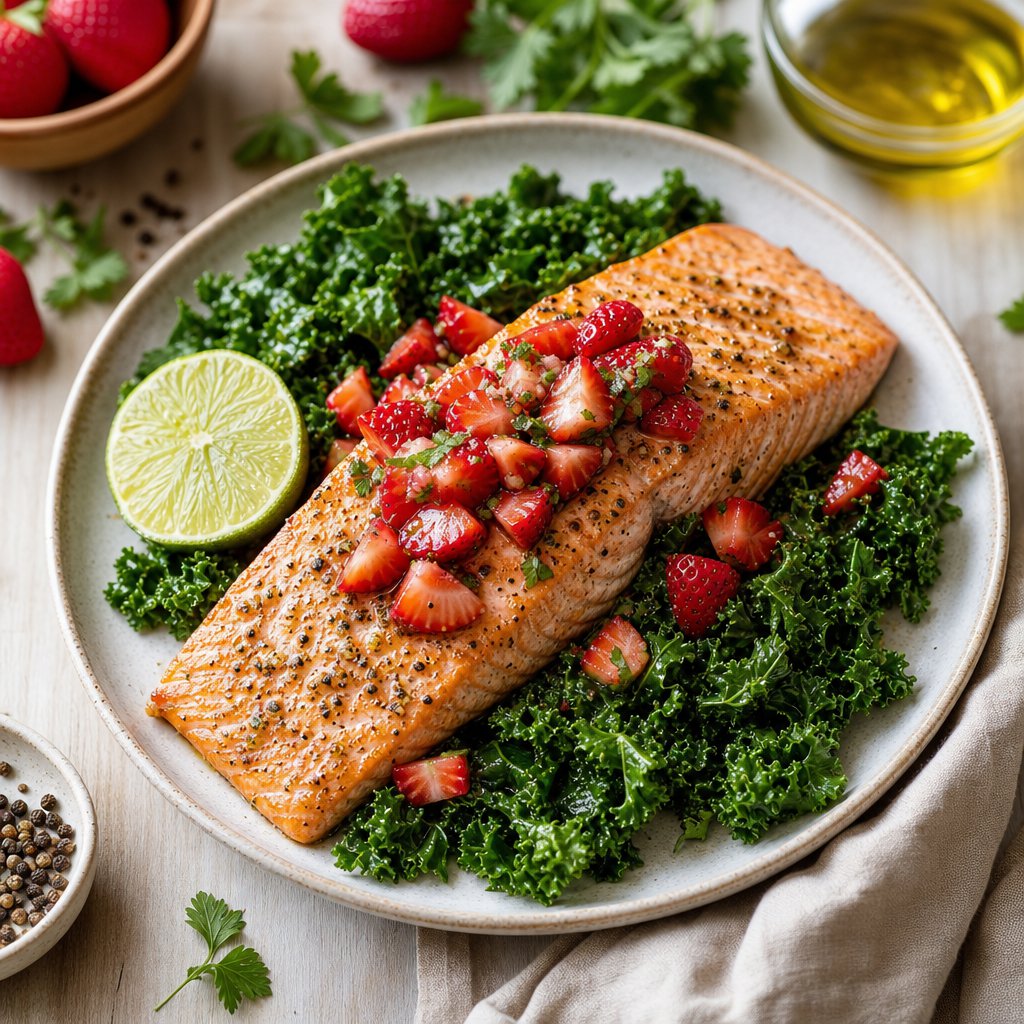 Dinner · 27 min
Roasted Salmon with Kale and Berry Salsa
This vibrant dish combines tender roasted salmon with crispy kale and a refreshing berry salsa. It's a delightful way to enjoy a brain-healthy meal that's both nutritious and satisfying.
5/9 MIND groups
No recipes match those filters yet.
Food & the brain
For each food we track new human studies on memory, cognition and dementia in PubMed, and summarise them in plain language. Open a card to see the key studies, each linked to its source.
Eating green leafy vegetables like spinach and kale might help keep your brain healthy as you age. Some studies show they can lower the risk of memory problems. Try to include them in your meals regularly.
On the plate: Incorporate green leafy vegetables like spinach, kale, and collard greens into meals several times a week, as recommended by the MIND diet.
How much: MIND: 6+ servings a week
How it might help
Key studies
Higher intake of green leafy vegetables is associated with a lower risk of dementia.
Meta-analysis · The American journal of clinical nutrition · 2026Consumption of green leafy vegetables is linked to slower cognitive decline, equivalent to being 11 years younger.
Observational study · Neurology · 2018Higher vitamin K1 intake from green leafy vegetables is associated with lower dementia risk.
Cohort / other · European journal of nutrition · 2026Dietary lutein and zeaxanthin intake improved cognitive functions in some trials, but results were inconsistent.
Systematic review · Physiology & behavior · 2022Lutein supplementation showed slight, non-significant improvements in cognitive performance.
Meta-analysis · Molecules (Basel, Switzerland) · 20219 studies reviewed for this food.
Eating more vegetables might help keep your brain healthy as you age. Some studies show that people who eat more vegetables have a lower risk of memory problems. It's good to include a variety of vegetables in your diet.
On the plate: In a MIND or Mediterranean diet, people typically eat a variety of vegetables daily, focusing on leafy greens and cruciferous types.
How much: MIND: 1+ serving a day
How it might help
Key studies
Meta-analysis found that vegetable consumption significantly decreases the risk of mild cognitive impairment.
Meta-analysis · Nutricion hospitalaria · 2025Meta-analysis showed that increased fruit and vegetable intake is associated with reduced cognitive impairment risk, with regional differences.
Meta-analysis · European journal of clinical nutrition · 2018Systematic review of RCTs found that fruit and vegetable intake improved memory and attention in some studies.
Systematic review · Systematic reviews · 2024Randomized trial showed increased fruit and vegetable consumption in a lifestyle intervention, but no direct cognitive benefit was reported.
Randomized trial · European journal of nutrition · 2024Cohort study found specific vegetable types associated with lower long-term dementia risk in older women.
Cohort / other · Food & function · 202425 studies reviewed for this food.
Eating berries like blueberries might help with memory, especially for older people with mild memory problems. Some studies show benefits, but others don't find much change. Including berries in your diet is part of a healthy eating pattern that might support brain health.
On the plate: Berries are often included in the MIND and Mediterranean diets, which emphasize fruits and vegetables.
How much: MIND: 2+ servings a week
How it might help
Key studies
Blueberry intake improved episodic memory in older adults with mild cognitive impairment.
Meta-analysis · Biogerontology · 2025Higher flavonoid intake, including anthocyanins in berries, is associated with better cognitive function in observational studies.
Meta-analysis · Molecular nutrition & food research · 2024Blueberry supplementation showed no significant effect on mood or most cognitive tasks, except for a small improvement in two-back test accuracy.
Meta-analysis · CNS & neurological disorders drug targets · 2023Meta-analysis did not find sufficient evidence for fruits, including berries, to improve cognition and mood.
Meta-analysis · European journal of clinical nutrition · 2023Anthocyanin-rich supplementation improved processing speed but not other cognitive domains in older adults.
Meta-analysis · Nutrition reviews · 202324 studies reviewed for this food.
Eating nuts might help keep your brain healthy, but the evidence isn't clear yet. Some studies show that people who eat more nuts have better brain function, but other studies don't find a big effect. It's still a good idea to eat nuts as part of a healthy diet.
On the plate: Nuts are often consumed as snacks or added to salads and dishes in a Mediterranean diet.
How much: MIND: 5+ servings a week
How it might help
Key studies
Higher MIND diet scores, including nut consumption, were associated with better global cognitive function.
Meta-analysis · The American journal of clinical nutrition · 2023Observational studies found significant associations between walnut intake and cognition, but RCTs did not show significant effects.
Meta-analysis · Annals of medicine · 2021RCTs did not find a significant effect of nuts on cognitive function.
Systematic review · Frontiers in nutrition · 2024A Mediterranean diet with nuts improved cognitive scores compared to a low-fat diet.
Randomized trial · JAMA internal medicine · 2015Higher nut consumption was associated with a lower risk of all-cause dementia in a UK cohort study.
Cohort / other · GeroScience · 202525 studies reviewed for this food.
Eating olive oil, especially as part of a Mediterranean diet, might help keep your brain healthy. Some studies show it could improve memory and thinking skills, but more research is needed to be sure. It's best to enjoy olive oil with other healthy foods like fruits, vegetables, and fish.
On the plate: Olive oil is typically used as the main cooking oil in Mediterranean and MIND diets.
How much: MIND: main cooking oil
How it might help
Key studies
Meta-analysis found EVOO consumption may improve cognitive function in older adults with mild cognitive impairment or dementia, but evidence is low-certainty.
Meta-analysis · Clinical nutrition ESPEN · 2026Meta-analysis shows Mediterranean diet, high in olive oil, is associated with reduced risk of cognitive impairment and dementia.
Meta-analysis · GeroScience · 2025Systematic review found mixed results on olive oil's effects on cognition, with some studies showing benefits.
Systematic review · Frontiers in nutrition · 2023RCT found EVOO improved blood-brain barrier function and cognitive scores in individuals with mild cognitive impairment.
Randomized trial · Nutrients · 2022Cohort study found high olive oil intake associated with lower risk of dementia-related death.
Cohort / other · JAMA network open · 202425 studies reviewed for this food.
Eating whole grains might help keep your brain healthy, but the evidence isn't clear. Some studies suggest they could lower the risk of memory problems, but more research is needed. Whole grains are part of healthy diets like the Mediterranean diet, which is good for your heart and brain.
On the plate: Whole grains are typically consumed as part of the MIND or Mediterranean diet, which includes 3+ servings a day.
How much: MIND: 3+ servings a day
How it might help
Key studies
The Mediterranean diet, which includes whole grains, is associated with a reduced risk of cognitive impairment and dementia.
Meta-analysis · GeroScience · 2025A systematic review found inconclusive evidence for whole grains' impact on cognition, with low strength of evidence.
Systematic review · Advances in nutrition (Bethesda, Md.) · 2023High whole grain consumption was associated with decreased risks of all-cause dementia and Alzheimer's disease in a cohort study.
Cohort / other · The journal of prevention of Alzheimer's disease · 2023Multidomain interventions including whole grains showed mixed results on cognitive improvement.
Systematic review · The journal of nutrition, health & aging · 202325 studies reviewed for this food.
Eating fish might help keep your brain healthy as you age. Some studies show that people who eat more fish have a lower risk of memory problems. Fish has omega-3s, which are good for the brain, but taking omega-3 pills doesn't always show the same benefits.
On the plate: In a Mediterranean diet, fish is typically consumed at least once a week, often grilled or baked.
How much: MIND: 1+ meal a week (not fried)
How it might help
Key studies
Higher fish consumption is associated with a lower risk of cognitive impairment and Alzheimer's disease.
Meta-analysis · Aging clinical and experimental research · 2024Omega-3 fatty acids intake is linked to a reduced risk of dementia and cognitive decline in cohort studies.
Meta-analysis · The American journal of clinical nutrition · 2023Omega-3 supplementation may benefit executive function in older adults without dementia, especially with higher doses.
Meta-analysis · BMC medicine · 2024Omega-3 supplements showed positive cognitive outcomes in Alzheimer's patients, but results were mixed across studies.
Meta-analysis · Neuropsychopharmacology reports · 2024Observational studies link higher fish intake with slower cognitive decline, but results vary across cognitive domains.
Systematic review · GeroScience · 202625 studies reviewed for this food.
Eating beans and legumes, like soy, might help keep your memory sharp as you get older. Some studies show that these foods can help with memory, but they might not help with other thinking skills. It's a good idea to include beans in your meals a few times a week.
On the plate: Beans and legumes, including soy, are often included in Mediterranean and MIND diets, which emphasize plant-based foods.
How much: MIND: 3+ meals a week
How it might help
Key studies
Isoflavone supplementation significantly improved memory in aging populations.
Meta-analysis · Neuroscience and biobehavioral reviews · 2026Soy isoflavones improved cognitive function and visual memory in postmenopausal women.
Meta-analysis · Menopause (New York, N.Y.) · 2015Soy isoflavone supplements may improve memory as part of a Mediterranean diet.
Meta-analysis · Climacteric : the journal of the International Menopause Society · 2015Soy isoflavones showed medium-sized cognitive benefits in some studies.
Systematic review · Annals of the New York Academy of Sciences · 201725 studies reviewed for this food.
Eating poultry might help keep your brain healthy, but the research isn't clear. Some studies say it helps, while others don't find a big difference. It's good to eat a variety of healthy foods, like in the Mediterranean diet, which includes poultry.
On the plate: Poultry is typically consumed as part of a balanced diet, like the Mediterranean or MIND diet, which includes lean meats.
How much: MIND: 2+ meals a week (not fried)
How it might help
Key studies
Poultry intake is associated with a lower risk of cognitive impairment.
Meta-analysis · Nutrition reviews · 2023Higher poultry intake is associated with reduced risk of cognitive impairment.
Cohort / other · European journal of nutrition · 2020Poultry intake was not associated with dementia risk.
Cohort / other · Nutrients · 2021Higher meat consumption, including poultry, was associated with better cognitive trajectories in certain APOE genotypes.
Cohort / other · JAMA network open · 202612 studies reviewed for this food.
Drinking a small amount of wine might help keep your brain healthy, but too much can be harmful. It's best to enjoy wine in moderation, like in a Mediterranean diet, which includes lots of fruits, vegetables, and whole grains.
On the plate: In a Mediterranean diet, wine is typically consumed in moderation, often with meals.
How much: MIND counts up to one glass a day — not a reason to start drinking
How it might help
Key studies
A meta-analysis found a J-shaped association between alcohol intake and cognitive dysfunction, with moderate intake reducing risk and high intake increasing it.
Meta-analysis · Ageing research reviews · 2024Meta-analysis showed that wine consumption is associated with a reduced risk of Alzheimer's disease.
Meta-analysis · Geriatrics & gerontology international · 2022A randomized trial found no association between traditional Mediterranean diet adherence including wine and cognitive function, but reversing the wine item showed positive associations.
Randomized trial · Nutrients · 2025Meta-analysis indicated that light-to-moderate alcohol consumption may reduce dementia risk, but excessive drinking increases it.
Meta-analysis · European journal of epidemiology · 2017A cohort study found that sustained mild to moderate drinking was associated with a decreased risk of dementia, while heavy drinking increased risk.
Cohort / other · JAMA network open · 202325 studies reviewed for this food.
Eating eggs might help keep your brain healthy, but the evidence isn't clear. Some studies suggest that eating eggs or foods with choline, like eggs, might lower the risk of memory problems. However, not all studies agree, and more research is needed to know for sure.
On the plate: In a Mediterranean diet, eggs are typically consumed a few times a week.
How much: Mediterranean: a few a week
How it might help
Key studies
Total choline intake showed a non-linear association with dementia risk, with moderate intake levels inversely associated with dementia risk.
Meta-analysis · Nutrition journal · 2026Egg consumption of about one egg per day was linked to a lower risk of cognitive decline, with a 'U-shaped' dose-response relationship.
Meta-analysis · Journal of human nutrition and dietetics : the official journal of the British Dietetic Association · 2026Higher dietary choline intake was significantly associated with a lower risk of adverse cognitive outcomes and Alzheimer's disease.
Meta-analysis · Food & function · 2026Egg yolk choline intake improved verbal memory scores in a randomized trial.
Randomized trial · Lipids in health and disease · 2023Moderate egg consumption was associated with a significantly lower risk of Alzheimer's disease in a large cohort study.
Cohort / other · The Journal of nutrition · 202625 studies reviewed for this food.
Eating yogurt and other fermented foods might help your memory, but the overall effects on brain health are not clear. Some studies show benefits, while others do not find much change. It's good to include these foods as part of a balanced diet.
On the plate: Yogurt and fermented foods are typically consumed daily in Mediterranean diets, often plain or with fruit.
How much: Mediterranean: daily, plain
How it might help
Key studies
Higher total dairy intake was associated with reduced risk of cognitive decline, but fermented dairy improved verbal memory and executive function.
Meta-analysis · Clinical nutrition (Edinburgh, Scotland) · 2025Meta-analysis found no significant effect of fermented foods on global cognition in randomized trials.
Meta-analysis · Neuroscience and biobehavioral reviews · 2020Fermented dairy beverage improved relational memory in a randomized trial.
Randomized trial · Nutritional neuroscience · 2023Daily yogurt consumers had a reduced risk of dementia in a cohort study.
Cohort / other · European journal of nutrition · 2023Lactobacillus and Bifidobacterium in fermented foods showed cognitive benefits, but evidence was limited by study quality.
Systematic review · Frontiers in nutrition · 202521 studies reviewed for this food.
Eating cocoa or very dark chocolate might help your brain, but the results are mixed. Some studies say it helps memory and thinking, while others don't find a big difference. It's okay to enjoy a little as part of a healthy diet.
On the plate: Cocoa is typically consumed in small amounts as very dark chocolate in a Mediterranean or MIND diet.
How much: Small amounts of cocoa / very dark chocolate
How it might help
Key studies
Chronic chocolate intake improved executive function and language in healthy adults.
Meta-analysis · Phytotherapy research : PTR · 2023Cocoa flavanols restored hippocampal-dependent memory in older adults with low diet quality.
Randomized trial · Proceedings of the National Academy of Sciences of the United States of America · 2023Cocoa extract had no effect on global cognition in older adults over 3 years.
Randomized trial · Alzheimer's & dementia : the journal of the Alzheimer's Association · 2023Acute cocoa flavanol consumption did not improve cognitive control or response inhibition.
Randomized trial · Nutrition (Burbank, Los Angeles County, Calif.) · 2025Cocoa flavanols did not enhance visual working memory in young adults.
Randomized trial · European journal of nutrition · 202225 studies reviewed for this food.
Drinking green tea might help keep your brain healthy as you age. Some studies show it could lower the risk of memory problems. However, more research is needed to be sure.
On the plate: Green tea is often consumed as a beverage, fitting well into a Mediterranean or MIND diet pattern.
How much: Optional drink
How it might help
Key studies
Green tea consumption was inversely associated with cognitive impairment, with the greatest benefit in individuals aged 50-69 years.
Meta-analysis · Neuroepidemiology · 2026Tea intake was associated with a reduced risk of all-cause dementia, Alzheimer's disease, and vascular dementia.
Meta-analysis · PeerJ · 2023Heat-treated green tea extract improved memory function and default mode network connectivity in individuals with subjective memory impairment.
Randomized trial · Journal of medicinal food · 2025Regular green tea consumption was associated with less cognitive impairment and higher cognitive scores in Chinese older adults.
Observational study · Archives of gerontology and geriatrics · 2025Higher green tea consumption was associated with a lower risk of dementia in a Japanese cohort study.
Cohort / other · The journal of nutrition, health & aging · 202525 studies reviewed for this food.
Drinking coffee might help lower the risk of dementia, but the evidence isn't clear. Some studies suggest that having 1-2 cups a day could be beneficial, but others show no effect. It's important to enjoy coffee as part of a balanced diet.
On the plate: Coffee is often consumed in moderation within the Mediterranean diet, which emphasizes fruits, vegetables, and whole grains.
How much: Optional drink
How it might help
Key studies
Moderate coffee consumption (2.5 cups/day) is associated with a reduced risk of Alzheimer's disease.
Meta-analysis · Nutrition reviews · 2024Mendelian randomization meta-analysis found no causal effect of coffee on cognitive function.
Meta-analysis · Scientific reports · 2018A 'J-shaped' association was found between coffee intake and cognitive disorders, with benefits at 1-2 cups per day.
Meta-analysis · Clinical nutrition (Edinburgh, Scotland) · 2017No significant association between coffee consumption and dementia or Alzheimer's disease risk.
Meta-analysis · Nutrients · 2018Low coffee consumption (
Meta-analysis · Epidemiology and psychiatric sciences · 202125 studies reviewed for this food.
Turmeric and saffron might help with memory and thinking, but the results are mixed. Some studies show they help, while others don't find much difference. Eating a variety of spices as part of a healthy diet might be beneficial.
On the plate: In a MIND or Mediterranean diet, spices like turmeric and saffron are used to flavor dishes instead of salt.
How much: Herbs and spices instead of salt
How it might help
Key studies
Curcumin showed no significant effect on global cognitive outcomes, but improved working memory and processing speed in some studies.
Meta-analysis · The journal of prevention of Alzheimer's disease · 2025Saffron significantly improved cognitive function in Alzheimer's disease, comparable to conventional medicine.
Meta-analysis · BMC complementary medicine and therapies · 2020Curcumin supplementation significantly improved global cognitive function, especially in older and Asian participants.
Systematic review · Frontiers in nutrition · 2025Curcumin improved memory in older adults but showed a trend for worse outcomes in Alzheimer's patients.
Meta-analysis · Phytotherapy research : PTR · 201923 studies reviewed for this food.
Eating avocados might help your brain, but the evidence isn't clear yet. Some studies show they might help with memory and attention, but others don't find a big difference. It's good to eat a variety of healthy foods, like in the Mediterranean diet, which includes avocados.
On the plate: Avocados are often included in a Mediterranean diet as a healthy fat source, replacing less healthy fats.
How much: Healthy-fat swap
How it might help
Key studies
Dietary lutein and zeaxanthin intake, including from avocados, increased macular pigment optical density and improved cognitive functions in most trials.
Systematic review · Physiology & behavior · 2022A 6-month trial found no significant cognitive benefits from daily avocado consumption in overweight adults.
Randomized trial · The journal of nutrition, health & aging · 2026A 12-week trial showed improved attentional inhibition and increased serum lutein with avocado intake, but benefits were not linked to lutein changes.
Randomized trial · International journal of psychophysiology : official journal of the International Organization of Psychophysiology · 20203 studies reviewed for this food.
Eating fruits like oranges and berries might help keep your brain healthy, but the evidence isn't clear yet. Some studies show they might help with memory, but others don't find much effect. It's good to include these fruits in your diet as part of a healthy eating pattern.
On the plate: Citrus fruits are commonly consumed fresh or as juice, fitting well into a Mediterranean diet pattern.
How much: Whole fruit most days
How it might help
Key studies
Higher intake of flavonoids is associated with better cognitive function and lower odds of cognitive decline in observational studies.
Meta-analysis · Molecular nutrition & food research · 2024Meta-analysis did not find sufficient support for fruits like citrus to improve cognition and mood.
Meta-analysis · European journal of clinical nutrition · 2023Anthocyanin-rich supplementation significantly improved processing speed in older adults.
Meta-analysis · Nutrition reviews · 2023Polyphenol supplementation showed a potential positive effect on immediate retrieval in older adults with obesity.
Meta-analysis · Nutrients · 2024Blueberry supplementation showed a significant effect on two-back test accuracy, but overall trial results were inconclusive.
Meta-analysis · CNS & neurological disorders drug targets · 202325 studies reviewed for this food.
Eating a lot of red and processed meats might be linked to worse thinking skills as you get older. Some studies say eating less of these meats could be better for your brain, but not all studies agree. It's good to eat a balanced diet with lots of fruits, vegetables, and whole grains.
On the plate: In a MIND or Mediterranean pattern, red and processed meats are limited to fewer than 4 meals a week.
How much: MIND: fewer than 4 meals a week
How it might help
Key studies
Greater consumption of red and processed meat was associated with poorer executive function.
Meta-analysis · The Journal of nutrition · 2026Higher processed red meat intake was associated with a 13% higher risk of dementia.
Cohort / other · Neurology · 2025Exercise-induced cognitive improvements did not significantly differ between groups consuming lean red meat and carbohydrates.
Randomized trial · The American journal of clinical nutrition · 2020Higher total meat consumption was associated with better cognitive trajectories in individuals with APOE34/44 genotypes.
Cohort / other · JAMA network open · 2026Fresh red meat consumption was inversely associated with the risk of mild cognitive impairment and dementia.
Cohort / other · BMC geriatrics · 202325 studies reviewed for this food.
Eating a lot of butter and margarine, which are high in saturated fats, might increase the risk of memory problems and dementia. Some studies found this link, but not all agree. It's best to limit these fats and eat more fruits, vegetables, and healthy oils like olive oil.
On the plate: In a MIND or Mediterranean diet, butter and margarine are limited to less than 1 tablespoon a day.
How much: MIND: less than 1 tablespoon a day
How it might help
Key studies
Higher saturated fat intake was associated with increased risk of cognitive impairment and Alzheimer's disease.
Meta-analysis · The journal of prevention of Alzheimer's disease · 2019Higher dietary saturated fat intake was linked to increased risk of Alzheimer's and dementia.
Meta-analysis · Current Alzheimer research · 2018A Western-style diet high in saturated fat impaired learning and memory in a short-term trial.
Randomized trial · PloS one · 2017Saturated fat intake was positively associated with Alzheimer's risk in several studies, but results were mixed.
Systematic review · Neurobiology of aging · 201412 studies reviewed for this food.
Eating cheese might help with memory and thinking, but the results are mixed. Some studies show it could lower the risk of dementia, while others don't find any benefits. It's best to eat cheese in moderation, like in the Mediterranean diet.
On the plate: Cheese is typically consumed in small amounts in Mediterranean diets, often as part of salads or as a flavor enhancer.
How much: MIND: less than once a week (small feta / parmesan use is common in Mediterranean cooking)
How it might help
Key studies
Meta-analysis found a nonlinear inverse association between dairy intake and cognitive decline, with variations by population and dairy type.
Meta-analysis · Advances in nutrition (Bethesda, Md.) · 2024High-fat cheese consumption was associated with reduced dementia risk in a Swedish cohort.
Randomized trial · Journal of the American Medical Directors Association · 2019Cheese consumption was linked to a lower incidence of dementia in older Japanese adults.
Cohort / other · Nutrients · 2025High-fat cheese intake was associated with reduced dementia risk, especially among APOE ε4 noncarriers.
Cohort / other · Neurology · 2026Mold-fermented cheese increased BDNF levels but did not improve cognitive scores in older Japanese women with MCI.
Randomized trial · Journal of the American Medical Directors Association · 201915 studies reviewed for this food.
Eating a lot of sweets and sugary drinks might be linked to a higher chance of memory problems and dementia. Some studies show this connection, but not all do. It's best to eat sweets in moderation as part of a healthy diet.
On the plate: In a MIND or Mediterranean diet, pastries and sweets are limited to fewer than five servings per week.
How much: MIND: fewer than 5 a week
How it might help
Key studies
Higher intake of sugar-sweetened and artificially sweetened beverages is associated with increased Alzheimer's disease risk.
Meta-analysis · Aging & mental health · 2025Sugar-sweetened beverage intake is associated with a higher prevalence of cognitive disorders.
Meta-analysis · Journal of affective disorders · 2022Meta-analysis shows no significant association between sugar-sweetened beverage intake and cognitive impairment risk.
Meta-analysis · The journal of prevention of Alzheimer's disease · 2022Higher sugar-sweetened beverage intake is associated with increased risk of all-cause dementia.
Randomized trial · Nutrients · 2026A Western-style diet high in sugar and fat impairs hippocampal-dependent learning and memory.
Randomized trial · PloS one · 201723 studies reviewed for this food.
Eating a lot of ultra-processed foods, like fast food, might be linked to memory problems and diseases like dementia. This is especially true for people in their middle years. It's a good idea to eat less of these foods to help keep your brain healthy.
On the plate: In a MIND/Mediterranean diet, fried and fast foods are limited to less than once a week.
How much: MIND: less than once a week
How it might help
Key studies
High UPF intake is associated with a 14% higher risk of cognitive impairment, especially in those under 60.
Meta-analysis · Journal of neurology · 2026Higher UPF intake is linked to increased risks of MS, PD, and cognitive impairment, but not AD or dementia.
Meta-analysis · Nutritional neuroscience · 2025High UPF consumption is associated with increased dementia risk.
Meta-analysis · Journal of neurology · 2024A single UPF meal was associated with reduced cognitive performance in a randomized trial.
Randomized trial · Scientific reports · 2025No association found between UPF intake and cognitive decline in Dutch older adults.
Cohort / other · European journal of nutrition · 202620 studies reviewed for this food.